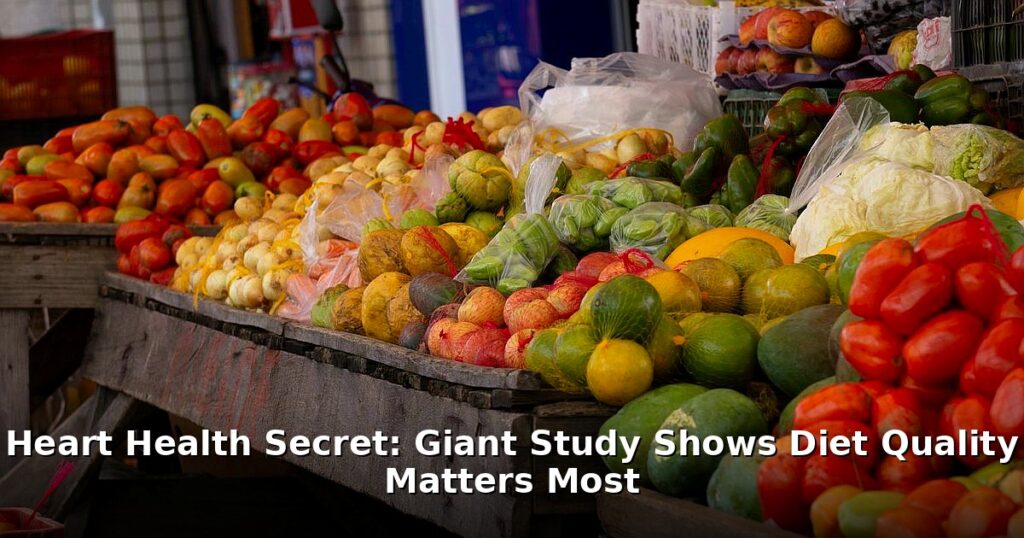

For years, the diet world has been locked in a seemingly endless battle: low-carb versus low-fat. Which one reigns supreme for heart health? Which one will finally secret to a longer, healthier life? It’s easy to get caught up in the minutiae of macronutrient ratios, meticulously counting grams of carbs and fat. But what if I told you that the real key to cardiovascular health isn’t about choosing sides in this dietary war, but about something far more fundamental?
The Diet Myth: Why Low-Carb vs. Low-Fat Misses the Point
The debate surrounding low-carb and low-fat diets has been raging for decades. Proponents of low-carb diets often point to their effectiveness for weight loss and blood sugar control. Advocates for low-fat diets, on the other hand, tout their potential for lowering cholesterol and reducing the risk of heart disease. And honestly? It’s exhausting trying to keep up with it all.
But here’s the thing: focusing solely on macronutrients is an oversimplification. It’s like trying to understand a complex painting by only looking at the individual colors, completely missing the overall composition and artistry. Your body is a complex machine and needs more than just “low carb” or “low fat” to thrive. It needs nutrients. You might also enjoy: Delay Alzheimer’s? Hobbies May Add 5 Years, Study Finds. You might also enjoy: Collagen for Skin Elasticity: Benefits, Limits, and Wrinkle Science.
Think about it: you can eat a low-carb diet that’s packed with processed meats, cheese, and artificial sweeteners. Or you can follow a low-fat diet that’s heavy on refined grains, sugary cereals, and “diet” foods loaded with artificial ingredients. Are either of those really good for you? Probably not.
The truth is that overall diet quality is what really matters. It’s about nourishing your body with whole, unprocessed foods that provide essential vitamins, minerals, and antioxidants. It’s about creating a sustainable and enjoyable eating pattern that supports long-term heart health and overall well-being. Big difference.
Giant Study Reveals the True Key to Cardiovascular Health
Recently, a massive study shed some much-needed light on this very issue. This wasn’t some small, short-term trial. We’re talking about a study that included hundreds of thousands of participants and spanned many years. Its goal? To investigate the relationship between diet, macronutrient intake, and cardiovascular health outcomes.
The researchers carefully assessed the participants’ diets using detailed questionnaires and dietary records. They didn’t just look at the ratios of carbs, fats, and proteins. Oh no. They evaluated the quality of the participants’ diets based on factors like the intake of fruits, vegetables, whole grains, processed foods, and sugary drinks.
And what did they find? The results were pretty compelling. The study revealed a strong correlation between higher diet quality and better heart health outcomes, independent of macronutrient ratios. In other words, people who ate a diet rich in whole, unprocessed foods had a lower risk of heart disease, regardless of whether they followed a low-carb or low-fat eating pattern. That’s good news, right?
Basically, focusing on healthy eating and choosing nutrient-dense foods is more important than obsessing over specific macro ratios. It’s not about restricting entire food groups or following rigid rules. It’s about making conscious choices that support your body’s natural functions and promote long-term well-being. And it’s about forming sustainable, enjoyable habits.
What Does a High-Quality Diet Actually Look Like?
Okay, so we know that diet quality is crucial for cardiovascular health. But what does that actually mean in practice? What does a high-quality diet look like on a day-to-day basis?
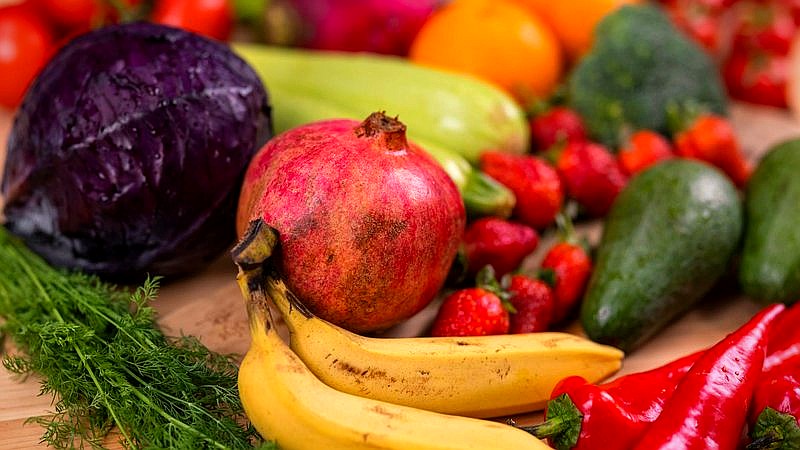
The foundation of a heart-healthy diet is built on whole, unprocessed foods. Think colorful fruits and vegetables bursting with vitamins and antioxidants. Whole grains like quinoa, brown rice, and oats, which provide fiber and sustained energy. Lean protein sources such as fish, chicken, beans, and lentils, which are essential for building and repairing tissues. It really can be that simple.
Equally important is limiting your intake of processed foods, sugary drinks, and unhealthy fats. These foods are often high in calories, sodium, and unhealthy additives, and low in essential nutrients. They can contribute to inflammation, weight gain, and an increased risk of heart disease. And trust me, your heart doesn’t want any of that.

Here are a few specific examples of heart-healthy meals and snacks:
- Breakfast: Oatmeal with berries and nuts, or a whole-wheat toast with avocado and a poached egg.
- Lunch: A salad with grilled chicken or fish, or a lentil soup with whole-grain bread.
- Dinner: Baked salmon with roasted vegetables, or a stir-fry with tofu and brown rice.
- Snacks: Fruits, vegetables with hummus, a handful of nuts, or plain Greek yogurt.
Speaking of snacks, I’ve a go-to that I rely on pretty heavily: a handful of almonds and some fresh berries. It’s quick, easy, satisfying, and packed with nutrients. Plus, it keeps me going between meals without feeling sluggish. I’ve been doing this for years, and it definitely helps me stay on track. Find what works for you, and stick with it!
Beyond Diet: Other Lifestyle Factors for a Healthy Heart
While nutrition in heart health, it’s not the only factor to consider. A truly involves incorporating other healthy lifestyle habits into your daily routine. I’m talking about stuff you already know, but might need reminding about. Like exercise.
Regular physical activity is essential for maintaining a healthy weight, lowering blood pressure, and improving cholesterol levels. Aim for at least 150 minutes of moderate-intensity aerobic exercise per week, such as brisk walking, jogging, or swimming. Incorporating strength training exercises at least twice a week is also beneficial. But hey, even a short walk each day is better than nothing!
What surprised me was that Stress management and adequate sleep are also crucial for cardiovascular health. Chronic stress can raise blood pressure and contribute to inflammation, while sleep deprivation can disrupt hormone balance and increase the risk of heart disease. Find healthy ways to manage stress, such as meditation, yoga, or spending time in nature. Aim for at least 7-8 hours of quality sleep per night. Easier said than done, I know.
And, of course, avoiding smoking and excessive alcohol consumption is paramount. Smoking damages blood vessels and increases the risk of blood clots, while excessive alcohol intake can raise blood pressure and contribute to heart failure. If you smoke, quitting is the single best thing you can do for your heart health. And if you drink alcohol, do so in moderation.
Remember, a that encompasses diet, exercise, stress management, and sleep is the most effective strategy for promoting long-term heart health. It’s about creating a sustainable lifestyle that supports your overall well-being. Not even close.
Practical Steps to Improve Your Diet Quality Today
Okay, so you’re convinced that diet quality is important. Great! But where do you start? How can you make practical changes to improve your eating habits and support your cardiovascular health?
Start by making small, gradual changes to your diet. Don’t try to overhaul everything overnight. That’s a recipe for burnout. Instead, focus on incorporating more whole foods into your meals and snacks. Add an extra serving of vegetables to your dinner, swap sugary drinks for water, or choose whole-grain bread instead of white bread. Not even close.
Meal planning and grocery shopping are also key to success. Take some time each week to plan your meals and create a shopping list. This will help you make healthier choices at the grocery store and avoid impulse purchases of processed foods. I personally like to dedicate an hour on Sunday mornings to planning out my meals for the week. It makes a huge difference!
Read nutrition labels carefully and be mindful of portion sizes. Pay attention to the ingredients list, serving sizes, and the amounts of added sugar, sodium, and unhealthy fats. Choose foods that are low in these ingredients and stick to recommended portion sizes. You can also use online resources to find healthy recipes and meal ideas. A lot to unpack there.
Most importantly, listen to your body and find what works best for you. Everyone is different, and what works for one person may not work for another. Pay attention to how different foods make you feel and adjust your diet accordingly. Don’t be afraid to experiment with new recipes and ingredients until you find a sustainable and enjoyable eating pattern. This isn’t a race; it’s a journey. And it’s YOUR journey. A lot to unpack there.
And, of course, it’s always a good idea to consult with a healthcare professional or registered dietitian for personalized advice. They can help you assess your individual needs and create a tailored plan that supports your specific heart health goals.
The Bottom Line: Focus on Nourishing Your Body
The bottom line is this: diet quality is paramount for heart health. Stop obsessing over macronutrient ratios and start focusing on nourishing your body with whole, unprocessed foods. Choose colorful fruits and vegetables, whole grains, lean proteins, and healthy fats. Limit your intake of processed foods, sugary drinks, and unhealthy fats. And create a sustainable and enjoyable eating pattern that supports your long-term well-being.
Remember, small changes can make a big difference over time. Don’t get discouraged if you slip up occasionally. Just get back on track with your next meal. Be patient with yourself and celebrate your successes along the way. This is about building lifelong habits that will benefit your heart health and overall quality of life.
And most importantly, listen to your body and find what works best for you. There’s no one-size-fits-all approach to healthy eating. Experiment with different foods and recipes until you find a sustainable and enjoyable eating pattern that you can stick with for the long haul. Your heart will thank you for it.
Frequently Asked Questions
Q: Is a low-carb or low-fat diet better for my heart?
A: Current research suggests that overall diet quality, focusing on whole and unprocessed foods, is more important than strictly adhering to a low-carb or low-fat diet. Consult with a healthcare professional to determine the best approach for you.
Q: What are some examples of heart-healthy foods?
A: Heart-healthy foods include fruits, vegetables, whole grains, lean proteins (like fish and chicken), nuts, and seeds. Limiting processed foods, sugary drinks, and unhealthy fats is also key.
Q: How much exercise do I need for a healthy heart?
A: The American Heart Association recommends at least 150 minutes of moderate-intensity aerobic activity or 75 minutes of vigorous-intensity activity per week. Incorporating strength training exercises is also beneficial.