
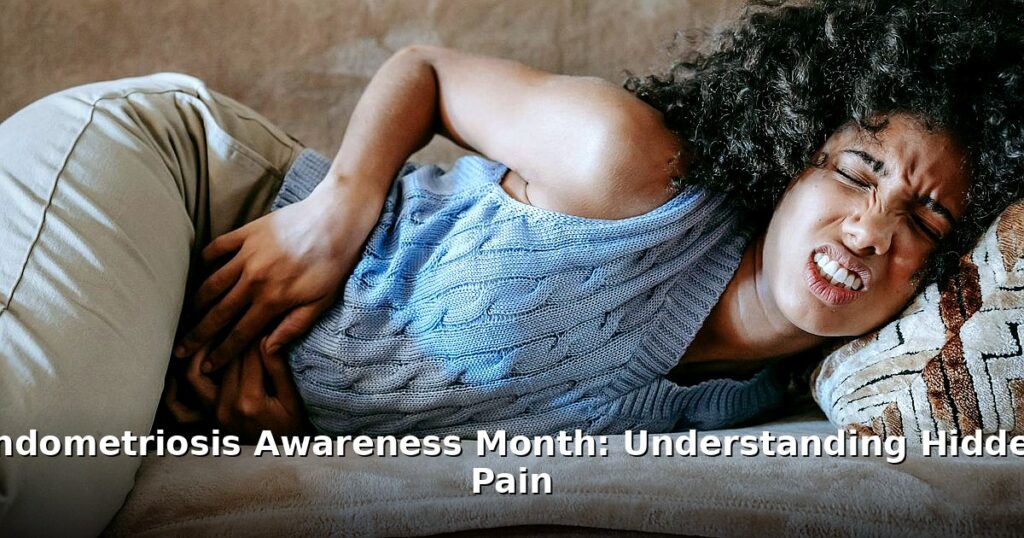

Imagine debilitating pain, the kind that disrupts your life every single month. Now imagine that pain being dismissed, downplayed, or misdiagnosed for years. This is the reality for millions of women with endometriosis. And that’s why Endometriosis Awareness Month is so crucial. It’s a time to shine a light on a condition that’s often shrouded in silence and misunderstanding.
Table of Contents
- what’s Endometriosis and Why Does it Matter?
- Recognizing the Signs: Endometriosis Symptoms to Watch For
- The Diagnostic Journey: From Suspicion to Confirmation
- Navigating Treatment Options: Managing Endometriosis Pain
- Living Well with Endometriosis: Support and Resources During Endometriosis Awareness Month
- Frequently Asked Questions
what’s Endometriosis and Why Does it Matter?
Endometriosis is a condition where tissue similar to the lining of the uterus – the endometrium – grows outside of the uterus. I know, it sounds weird, right? Instead of staying put where it belongs, this tissue can pop up in other areas of the body. Most commonly, it affects the ovaries, fallopian tubes, and the lining of the pelvis. But it can also appear in other, more unexpected places.
The problem? This rogue tissue acts just like the endometrial lining: it thickens, breaks down, and bleeds with each menstrual cycle. But because it’s outside the uterus, that blood has nowhere to go, causing inflammation, scarring, and – you guessed it – pain. Big time. Check out our guide on Healthy Aging: 6 Evening Habits for a Long Life. We covered this in Drooling While Sleeping: When It Signals a Problem.
One of the biggest challenges surrounding endometriosis is the lack of awareness. Many women (and even some doctors!) don’t realize how common it’s or how debilitating it can be. This leads to misdiagnosis, delayed treatment, and years of unnecessary suffering. It can take, on average, something like ten years to get a diagnosis. Ten years! That’s just not acceptable.
Okay, so And the impact is huge. Endometriosis can significantly affect fertility, making it difficult for some women to conceive. It can also wreak havoc on overall quality of life, impacting work, relationships, and mental health. It’s not just “bad period cramps,” it’s a chronic condition that demands attention and understanding. I know someone who had to quit her job. It’s that serious.
Recognizing the Signs: Endometriosis Symptoms to Watch For
So, what should you be looking for? What are the endometriosis symptoms? The most common symptom is pelvic pain, often described as a deep, aching, or burning sensation. This pain can be constant or it can come and go, worsening around your period.
Other common symptoms include:
- Painful periods (dysmenorrhea): I’m not talking about a little discomfort here. Think severe cramps that don’t respond to over-the-counter pain relievers.
- Pain during intercourse (dyspareunia): This can make intimacy difficult and affect relationships.
- Heavy bleeding: Soaking through pads or tampons quickly, or having periods that last longer than usual.
But here’s where it gets tricky: endometriosis symptoms can vary widely from woman to woman. Some women experience excruciating pain, while others have minimal symptoms. Some have classic symptoms; others experience unusual symptoms.
Less common symptoms can include:
- Fatigue: Feeling exhausted even after getting enough sleep.
- Bowel problems: Such as constipation, diarrhea, or pain during bowel movements.
- Bladder issues: Like frequent urination, painful urination, or blood in the urine.
Because the symptoms are so varied and can mimic other conditions, they’re often dismissed or misdiagnosed. Women are told it’s “just part of being a woman,” or that they have a low pain tolerance. Which is ridiculous, frankly. I’ve heard stories of women being prescribed antidepressants when what they really needed was an endometriosis diagnosis.
The Diagnostic Journey: From Suspicion to Confirmation
If you suspect you might have endometriosis, it’s crucial to see a doctor who specializes in the condition. The typical diagnostic process usually begins with a pelvic exam, where the doctor physically examines your reproductive organs.
Imaging tests, such as ultrasound or MRI, may also be used to get a better look at your pelvic area. But these tests often can’t definitively diagnose endometriosis – they can only rule out other potential causes of your symptoms. Ultrasounds can be transvaginal or abdominal, depending on what the doctor is looking for.
The gold standard for endometriosis diagnosis is laparoscopy with biopsy. This is a minor surgical procedure where the doctor makes small incisions in your abdomen and inserts a thin, lighted tube (a laparoscope) to visually inspect your pelvic organs. If they see any suspicious tissue, they’ll take a biopsy to confirm the diagnosis.
And here’s another hard truth: getting a correct diagnosis often takes years. Years! Many women bounce from doctor to doctor, undergoing countless tests and treatments before finally getting answers. This delay can have a significant emotional toll, leading to frustration, anxiety, and even depression. The uncertainty itself can be incredibly stressful.
Navigating Treatment Options: Managing Endometriosis Pain
Okay, so you’ve been diagnosed with endometriosis. Now what? The good news is that there are several endometriosis treatment options available to help manage the pain and improve your quality of life. It’s all about finding what works best for you, because everyone is different.
Some common treatment options include:
- Pain medication: Over-the-counter pain relievers like ibuprofen or naproxen can help with mild to moderate pain. For more severe pain, your doctor may prescribe stronger pain medications.
- Hormone therapy: Hormonal birth control pills, IUDs, or GnRH agonists can help suppress the growth of endometrial tissue and reduce pain.
- Surgery: Laparoscopic surgery can be used to remove endometrial implants and scar tissue. In severe cases, a hysterectomy (removal of the uterus) may be considered, but this is usually a last resort.
In addition to these medical treatments, lifestyle changes can also play a significant role in managing endometriosis pain. Some women find that diet changes, such as reducing processed foods, sugar, and caffeine, can help. Regular exercise and stress management techniques, like yoga or meditation, can also make a difference.
And don’t forget about alternative therapies! Some women find relief with acupuncture, physiotherapy, or herbal remedies. It’s important to talk to your doctor about any alternative therapies you’re considering to make sure they’re safe and appropriate for you.
Ultimately, the best approach to endometriosis pain management is a personalized treatment plan that addresses your specific symptoms and needs. Work closely with your doctor to find the right combination of treatments that will help you live your best life.
Living Well with Endometriosis: Support and Resources During Endometriosis Awareness Month
Living with endometriosis can be challenging, both physically and emotionally. That’s why it’s so important to find support and connect with others who understand what you’re going through.
Support groups and online communities can provide a safe space to share your experiences, ask questions, and get advice. Knowing that you’re not alone can make a huge difference. During Endometriosis Awareness Month, many local groups hold special events.
There are also many online resources and organizations dedicated to endometriosis, such as the Endometriosis Association and the World Endometriosis Research Foundation. These organizations offer valuable information, support, and advocacy for women with endometriosis.
Managing chronic pain and fatigue is a key part of living well with endometriosis. Experiment with different strategies to find what works best for you. This might include pacing yourself, taking breaks when you need them, and using pain management techniques like heat or cold therapy.
And don’t forget about self-care and mental health support. Endometriosis can take a toll on your mental and emotional well-being, so it’s important to prioritize self-care activities that bring you joy and help you relax. Consider seeking therapy or counseling to help you cope with the challenges of living with a chronic condition. It’s not a sign of weakness – it’s a sign of strength.
Frequently Asked Questions
Q: what’s the main cause of endometriosis?
A: The exact cause isn’t known. But theories include retrograde menstruation, genetic factors, and immune system dysfunction. A complex puzzle, to say the least.
Q: Can endometriosis be cured completely?
Here’s the thing — A: Currently, there’s no cure. But treatments can effectively manage symptoms and improve quality of life. Think of it as managing, not eliminating.
Q: Does endometriosis always affect fertility?
A: Not always, but it’s a major cause of infertility. Treatment can improve fertility outcomes for many women. So, there’s hope.
Q: How is endometriosis officially diagnosed?
A: The gold standard is laparoscopy. A minor surgical procedure where a doctor visually confirms the presence of endometrial-like tissue outside the uterus and takes a biopsy. Big difference.
Q: Is endometriosis hereditary?
A: there’s a genetic component. So, if a family member has endometriosis, you may be at a higher risk. However, it doesn’t mean you will definitely develop it. It’s more about increased risk than a certainty.
Endometriosis is a complex and often misunderstood condition. This Endometriosis Awareness Month, let’s commit to raising awareness, supporting those who are affected, and advocating for better research and treatment options. Your voice matters. Every story shared helps break the silence and brings us closer to a future where all women with endometriosis receive the care and support they deserve. Learn more at reputable sources like the Office on Women’s Health. What will you do to help spread awareness?