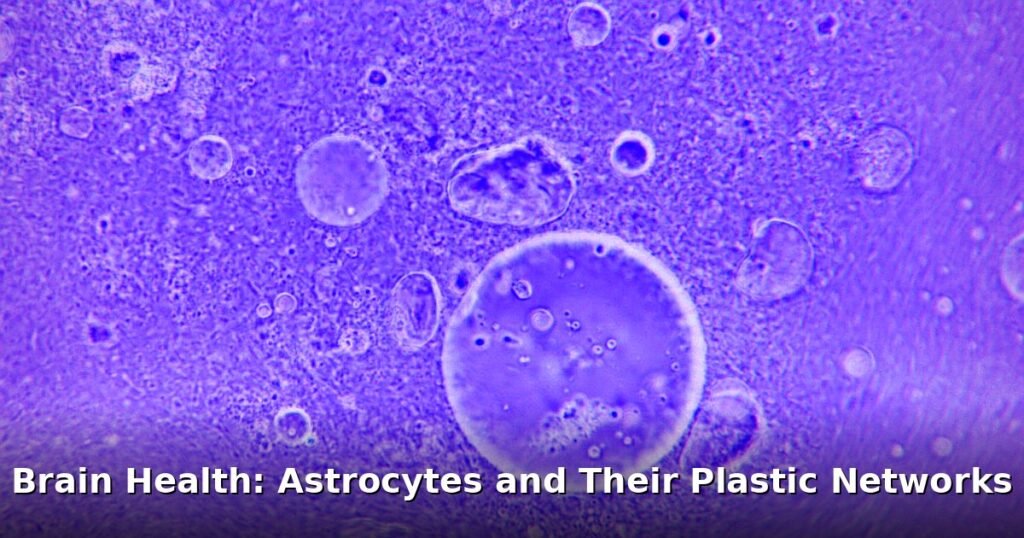

Ever feel like your brain’s firing on all cylinders, then other times, it feels like a rusty old engine sputtering to a halt? The secret might lie in the unsung heroes of your brain: astrocytes plastic networks. You’ve probably heard a lot about neurons, but these star-shaped cells are quietly orchestrating a symphony of brain cell communication, and recent discoveries about their plasticity are changing everything we thought we knew. And honestly, it’s pretty darn cool.
Table of Contents
What Are Astrocytes and Why Do They Matter?
Let’s break it down. Astrocytes are a type of glial cell—the support staff of your brain. Think of neurons as the rock stars, grabbing all the attention, and astrocytes as the roadies, sound engineers, and venue managers, ensuring everything runs smoothly behind the scenes.
These star-shaped cells aren’t just pretty faces. They play several crucial roles:
- Nourishing neurons: They provide essential nutrients to keep neurons healthy and functioning.
- Maintaining brain environment: They regulate the chemical balance around neurons, removing excess neurotransmitters and ions.
- Modulating synaptic transmission: They influence how neurons communicate with each other at synapses.
How do they differ from neurons? Well, neurons are the primary communicators, sending electrical and chemical signals throughout the brain. Astrocytes, on the other hand, don’t fire electrical signals themselves. Instead, they use chemical signals to communicate with neurons and other astrocytes, influencing neuronal activity and brain function. They’re more like conductors of the orchestra than individual musicians. Check out our guide on Space Facts: 34 Freakin’ Cool Things You Didn’t Know. We covered this in Meteor Shower This Week: See 20 Shooting Stars Per Hour.
Historically, astrocytes were viewed as passive support cells. But that view is rapidly changing. Current research is revealing their dynamic and active role in brain function. Big difference. Pretty wild, right?

The Plasticity of Astrocytes’ Networks: A New Understanding
Now, let’s talk about plasticity. In the context of brain cells, plasticity refers to their ability to change and adapt their structure and function over time. Think of it as your brain’s ability to rewire itself in response to new experiences or stimuli. It’s how you learn, how you remember, and how you adapt to a changing world.
Astrocytes aren’t static structures. They form networks that connect different brain regions, allowing for coordinated communication and regulation of neuronal activity. And these networks aren’t fixed; they’re dynamic, constantly changing and adapting in response to brain activity.
I’ll be honest — Recent research has highlighted the dynamic nature of these astrocyte networks. Scientists are discovering that astrocytes can alter their connections and signaling pathways. This allows them to fine-tune brain activity and contribute to learning, memory, and other cognitive processes. It’s like your brain has its own internal internet, and astrocytes are the routers, constantly rerouting traffic to optimize performance.
Understanding the plasticity of astrocytes’ networks is crucial for improving our understanding of brain function and developing potential treatments for neurological disorders. If we can figure out how to manipulate these networks, we might be able to repair damaged brain circuits and restore lost function.
How Astrocytes Plastic Networks Influence Brain Function
So, how exactly do these astrocytes plastic networks influence brain function? Let’s get into some details.
First, they play a critical role in synaptic transmission and neuronal communication. Astrocytes can release chemicals that modulate the strength of synaptic connections, influencing how easily neurons communicate with each other. They can also clear neurotransmitters from the synaptic cleft, preventing overstimulation and ensuring efficient signaling. It’s a delicate balancing act, and astrocytes are right there in the middle of it. Seriously.
Second, astrocytes contribute to learning and memory processes. They can influence synaptic plasticity, the process by which synapses strengthen or weaken in response to experience. By modulating synaptic connections, astrocytes help the brain store new information and form memories. This is especially important in areas like the hippocampus, which is crucial for memory formation. Seriously.
Third, astrocytes contribute to overall brain health and cognitive function. They provide essential support to neurons, protecting them from damage and ensuring they have the resources they need to function properly. And a healthy brain is a happy brain – or at least, a more functional one.

But disruptions in astrocyte networks can lead to neurological disorders. When astrocytes don’t function properly, they can contribute to the development of diseases like Alzheimer’s, Parkinson’s, and multiple sclerosis. More on that in a bit.
Astrocytes and Neurological Disorders: What’s the Link?
Now, let’s the potential roles of astrocytes in neurological disorders. It’s not pretty, but it’s important to understand.
In Alzheimer’s disease, for example, astrocytes can become reactive and release inflammatory molecules that contribute to neuronal damage and cognitive decline. They can also fail to clear amyloid plaques, a hallmark of the disease, further exacerbating the problem. Not great.
In Parkinson’s disease, astrocytes can contribute to the loss of dopamine-producing neurons in the substantia nigra, a brain region involved in motor control. They can also release inflammatory molecules that damage these neurons. This can lead to the characteristic motor symptoms of Parkinson’s disease, such as tremors and rigidity. Read more about it on the National Institute of Neurological Disorders and Stroke website.
And in multiple sclerosis, astrocytes can contribute to the demyelination of nerve fibers in the brain and spinal cord. Demyelination disrupts neuronal communication and leads to neurological symptoms, including muscle weakness, fatigue, and vision problems.
Research is showing how astrocyte dysfunction can contribute to disease progression. This opens up opportunities for developing new therapies targeting astrocytes to treat these disorders. By restoring astrocyte function, we might be able to slow down or even reverse the progression of these devastating diseases.
You might not expect this, but The future of astrocyte research in neurological disease is bright. Scientists are developing new tools and techniques to study astrocyte function in greater detail, and they’re identifying new drug targets that could potentially restore astrocyte health. It’s a long road ahead, but there’s reason to be optimistic.
Supporting Your Brain’s Astrocytes: Lifestyle Tips
Okay, so Okay, so what can you do to support your brain’s astrocytes? Turns out, a lot of the same things that are good for your overall health are also good for your astrocytes. Makes sense, right?
First, let’s talk about diet. Eating a balanced diet rich in fruits, vegetables, and whole grains can provide your brain with the nutrients it needs to function properly. And don’t forget about healthy fats, like those found in avocados, nuts, and olive oil. These fats are essential for brain health and can help support astrocyte function. Consider incorporating foods rich in antioxidants, which can protect astrocytes from damage caused by free radicals. Berries, leafy greens, and dark chocolate (yes, really!) are all good sources. And that matters.
Second, exercise is crucial for brain health. Regular physical activity can increase blood flow to the brain, delivering more oxygen and nutrients to astrocytes. It can also stimulate the release of growth factors that promote astrocyte health and function. Even a brisk walk a few times a week can make a difference.
Third, stress management is key. Chronic stress can damage astrocytes and impair their function. Find healthy ways to manage stress, such as meditation, yoga, or spending time in nature. Trust me, your brain will thank you for it.
Here’s what most people miss: Fourth, prioritize sleep hygiene. Sleep is essential for brain health, and it’s during sleep that astrocytes perform many of their critical functions, such as clearing waste products from the brain. Aim for 7-8 hours of quality sleep per night. Establish a regular sleep schedule, create a relaxing bedtime routine, and make sure your bedroom is dark, quiet, and cool.
- Diet: Balanced, antioxidant-rich foods
- Exercise: Regular physical activity
- Stress Management: Meditation, yoga, nature
- Sleep: 7-8 hours of quality sleep
And finally, remember to consult with a healthcare professional for personalized advice. They can assess your individual needs and recommend specific strategies to support your brain health.
Understanding the role of astrocytes plastic networks in brain function opens up exciting possibilities for new therapies and interventions. By adopting a healthy lifestyle and working with your healthcare provider, you can help support your brain’s astrocytes and maintain optimal cognitive function. It’s not just about living longer; it’s about living better, with a sharper, healthier mind.
Frequently Asked Questions
Q: What exactly are astrocytes?
You might not expect this, but A: Astrocytes are star-shaped glial cells in the brain. They support neurons by providing nutrients, maintaining the brain’s chemical environment, and modulating synaptic transmission. No joke.
Q: What does ‘plasticity’ mean in the context of astrocytes?
Real talk: A: In this context, plasticity refers to the ability of astrocytes to change and adapt their structure and function over time in response to stimuli or experiences. This allows them to dynamically regulate brain activity.
Q: How do astrocytes connect different brain regions?
A: Astrocytes connect brain regions by forming networks that span across different areas. These networks allow for coordinated communication and regulation of neuronal activity throughout the brain. Not ideal.
Q: Can problems with astrocytes lead to brain disorders?
A: Yes, dysfunction in astrocyte networks has been linked to various neurological disorders, including Alzheimer’s disease, Parkinson’s disease, and multiple sclerosis. Research suggests that targeting astrocytes could offer new therapeutic avenues.
Q: What can I do to support my brain’s astrocytes?
A: Adopting a healthy lifestyle, including a balanced diet, regular exercise, stress management techniques, and good sleep hygiene, can contribute to optimal astrocyte function and overall brain health. Consult a healthcare professional for personalized advice. Learn more about brain health on the Alzheimer’s Association website.