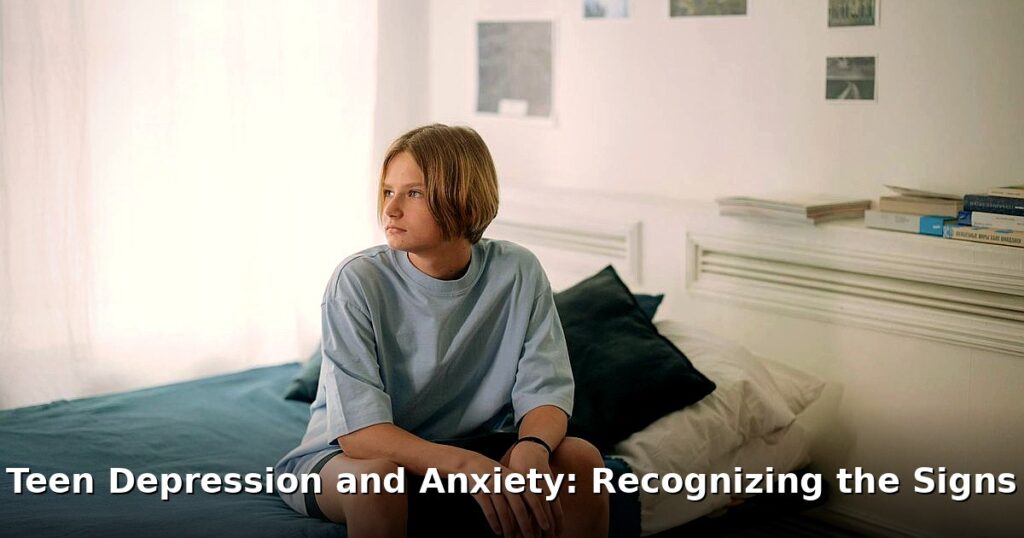

Remember that time you chalked up your teen’s silence as “just being a teenager?” Or maybe the eye-rolling and door-slamming? It’s easy to dismiss changes in behavior as typical teenage angst. But sometimes, it’s more than that. Teen depression and anxiety are real, prevalent, and can significantly impact a young person’s life. And recognizing the signs early is crucial.
Table of Contents
- Understanding Teen Depression and Anxiety
- Recognizing the Signs of Teen Depression
- Spotting the Symptoms of Teen Anxiety
- What To Do If You Suspect Your Teen Has Depression or Anxiety
- Resources for Teen Mental Health
- Supporting Your Teen’s Mental Health: A Long-Term Approach
- Frequently Asked Questions
Understanding Teen Depression and Anxiety
Mental health issues among teenagers are, sadly, on the rise. Studies show a significant percentage of teens struggle with depression and anxiety. It’s a serious public health concern. We’re not talking about occasional bad moods. We’re talking about diagnosable conditions that require attention.
Fair warning: So, what’s the difference between normal teenage moodiness and clinical depression or anxiety? It can be tricky to distinguish. Normal moodiness is usually temporary and related to specific events. Clinical depression and anxiety, on the other hand, are persistent, pervasive, and interfere with daily functioning. Big difference. Check out our guide on AI for Business: How Utah Companies Are Quietly Innovating. We covered this in Dog Longevity Research: How It Could Help Humans Age Better.
The pressures teens face today are immense. Academic expectations are high. Social media creates unrealistic comparisons and cyberbullying is rampant. And of course, there’s the constant pressure to fit in. It’s a lot to handle. All of this contributes to increased stress and vulnerability to mental health issues. It’s hard to imagine navigating high school in this environment.

Recognizing the Signs of Teen Depression
Knowing the signs of teen depression can help you get your child the help they need. Early intervention is key. Here’s what to look for:
- Persistent sadness or hopelessness: This isn’t just a day or two of feeling down. It’s a prolonged period of sadness that seems to have no end.
- Loss of interest in activities they used to enjoy: Have they stopped participating in their favorite hobbies? Do they no longer find pleasure in things they once loved? This is a red flag.
- Changes in appetite or sleep patterns: Significant weight loss or gain, or difficulty sleeping (insomnia) or sleeping too much (hypersomnia) can be indicators.
- Fatigue and low energy levels: Feeling constantly tired, even after adequate sleep.
- Difficulty concentrating: Trouble focusing on schoolwork or other tasks.
- Irritability and anger: Increased irritability, frustration, or outbursts of anger, even over minor things.
- Feelings of worthlessness or guilt: Expressing negative self-perception and excessive guilt.
- Thoughts of death or suicide: This is the most serious sign. If your teen is talking about death or suicide, seek immediate professional help. Don’t wait. The National Suicide Prevention Lifeline is available 24/7: https://suicidepreventionlifeline.org/
Real talk: If you notice several of these signs in your teen, it’s time to take action. Don’t ignore it, hoping it will go away. It likely won’t.
Spotting the Symptoms of Teen Anxiety
Real talk: Anxiety isn’t just feeling stressed before a test. It’s a persistent, overwhelming sense of worry and fear that interferes with daily life. Here are some teen anxiety symptoms to be aware of:
- Excessive worry and fear: Constant worrying about various things, even when there’s no real reason to worry.
- Restlessness and difficulty relaxing: Feeling on edge, unable to sit still, or constantly fidgeting.
- Physical symptoms: Rapid heartbeat, sweating, stomachaches, headaches, or other physical complaints.
- Avoidance of social situations or activities: Avoiding parties, school events, or even spending time with friends.
- Panic attacks: Sudden episodes of intense fear, accompanied by physical symptoms like chest pain, shortness of breath, and dizziness. These are terrifying.
- Difficulty sleeping due to worry: Racing thoughts that make it hard to fall asleep or stay asleep.
Again, if you’re seeing these symptoms consistently, it’s important to address them. Don’t minimize their feelings or tell them to “just relax.” It doesn’t work that way. They need support and understanding.

What To Do If You Suspect Your Teen Has Depression or Anxiety
Okay, so you suspect something’s up. What now? Here’s how to approach the situation. It can be daunting, I know.
First, create a safe space for open communication. Let your teen know that you’re there for them and that they can talk to you about anything without judgment. Listen more than you talk. Validate their feelings, even if you don’t fully understand them. Saying things like “That sounds really tough” or “I can see why you’re feeling that way” can go a long way.
Talk to your teen about your concerns. Express what you’ve observed and why you’re worried. Avoid accusatory language. Instead of saying “You’re always so negative,” try “I’ve noticed you seem sad lately, and I’m concerned.”
You might not expect this, but Encourage them to seek professional help. This is crucial. A therapist or counselor experienced in working with teens can provide the support and guidance they need. Finding a therapist they connect with is important. It might take a few tries to find the right fit.
There are various teen depression treatment options. Therapy (such as Cognitive Behavioral Therapy or CBT) is often the first line of defense. Medication may also be an option, especially for more severe cases. Talk to a doctor or psychiatrist to determine the best course of treatment.
I remember when my niece, Sarah, started withdrawing from her friends and family. She used to be so outgoing, but suddenly she was spending all her time in her room. My sister and I were really worried. We gently encouraged her to talk to a therapist, and she was resistant at first. But eventually, she agreed. It made a huge difference. Therapy gave her the tools to cope with her anxiety and depression. It wasn’t a quick fix, but it was a necessary step. And she’s doing so much better now.
Resources for Teen Mental Health
You’re not alone in this. There are tons of resources available to help you and your teen. Here are a few:
- The Trevor Project: Provides crisis intervention and suicide prevention services to LGBTQ young people.
- National Alliance on Mental Illness (NAMI): Offers education, support, and advocacy for individuals and families affected by mental illness.
- MentalHealth.gov: Provides information on mental health conditions, treatment options, and resources.
- Online resources and support groups: Many online platforms offer support and connection for teens struggling with mental health issues.
- School counselors and mental health services: Your teen’s school may offer counseling services or have a mental health professional on staff.
- Crisis hotlines and emergency services: If your teen is in immediate danger, call 911 or take them to the nearest emergency room.
Supporting Your Teen’s Mental Health: A Long-Term Approach
Supporting your teen’s mental health is an ongoing process. It’s not just about getting them through a crisis. It’s about creating a foundation for long-term well-being. Here’s what you can do:
- Create a supportive home environment: Make your home a safe and loving place where your teen feels accepted and supported.
- Encourage healthy habits: Promote healthy sleep habits, a balanced diet, and regular exercise. These things really do make a difference.
- Limit screen time and social media use: Excessive screen time can contribute to anxiety and depression. Encourage your teen to take breaks and engage in other activities.
- Promote self-care and stress management techniques: Teach your teen healthy ways to cope with stress, such as mindfulness, meditation, or yoga.
- Stay involved in their life: Show an interest in their activities, friends, and school life. Let them know you’re there for them, no matter what.
Helping a teen with anxiety or depression isn’t easy. It takes patience, understanding, and a willingness to seek help. But it’s one of the most important things you can do for your child. Don’t give up hope. With the right support, they can and will get better.
Frequently Asked Questions
What are the most common signs of depression in teens?
Common signs include persistent sadness, loss of interest in hobbies, changes in sleep or appetite, fatigue, and feelings of worthlessness. If these symptoms last for more than two weeks, it’s important to seek professional help.
How is anxiety different from normal teenage worry?
While it’s normal for teens to worry about things like school or social situations, anxiety is more intense and persistent. It can interfere with daily activities and cause physical symptoms like rapid heartbeat or stomachaches.
What kind of therapy is best for teen depression and anxiety?
Cognitive Behavioral Therapy (CBT) and interpersonal therapy are often effective for treating teen depression and anxiety. These therapies help teens identify and change negative thought patterns and develop coping skills.
How can I talk to my teen about their mental health?
Create a safe and supportive environment where your teen feels comfortable sharing their feelings. Listen without judgment and validate their experiences. Let them know you’re there to help them get the support they need.
Are there medications that can help with teen depression and anxiety?
Yes, certain antidepressant and anti-anxiety medications can be effective for treating teen depression and anxiety. But, medication should always be prescribed and monitored by a qualified healthcare professional.
It takes a village, right? you’re not alone. If you suspect your teen is struggling, trust your gut and reach out for help. Your child’s mental health is worth fighting for.