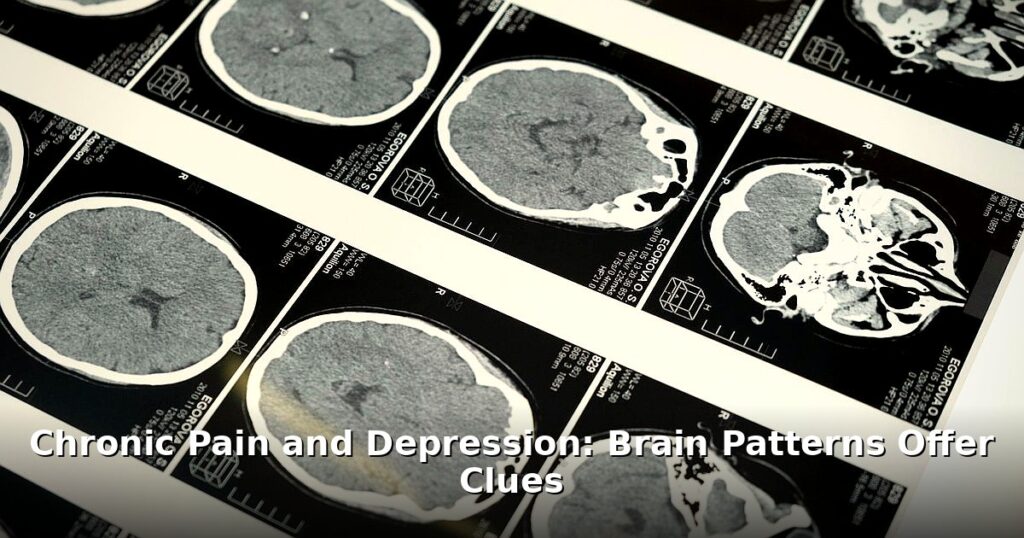

That throbbing in your back? It’s not just physical. For many, chronic pain and depression are unwelcome roommates. And the connection is deeper than you might think. It’s in your head – literally.
Table of Contents
- The Link Between Chronic Pain and Depression: An Overview
- Brain Imaging Reveals Distinct Patterns in Chronic Pain and Depression
- Inflammation: A Key Factor in the Chronic Pain and Depression Cycle
- Potential Treatments Targeting the Brain for Chronic Pain and Depression
- Lifestyle Changes to Support Brain Health and Manage Chronic Pain and Depression
- Understanding Your Risk: Could Chronic Pain Lead to Depression?
- Frequently Asked Questions
The Link Between Chronic Pain and Depression: An Overview
If you’re one of the millions dealing with chronic pain, you’re likely no stranger to the blues. Studies show a significant overlap between chronic pain sufferers and those struggling with depression. We’re talking about a prevalence rate that’s way higher than in the general population.
What does this look like in real life? Think persistent aches, stiffness, and fatigue alongside feelings of hopelessness, loss of interest, and difficulty concentrating. Not a fun combo. Check out our guide on Weight Gain Culprit? The ‘Healthy’ Drink Surprise. We covered this in Colitis and Cancer: How Epigenetic Memory Impacts Tumour Growth.
You might not expect this, but Traditional explanations for the pain depression connection often focus on the limitations chronic pain imposes: decreased mobility, social isolation, financial strain. These are valid points. Pain can seriously restrict your life. But they don’t tell the whole story.
A brain-centered approach is critical because it helps us understand the underlying mechanisms that drive both chronic pain and depression. It gets to the heart of why these two conditions so often go hand-in-hand.
Brain Imaging Reveals Distinct Patterns in Chronic Pain and Depression
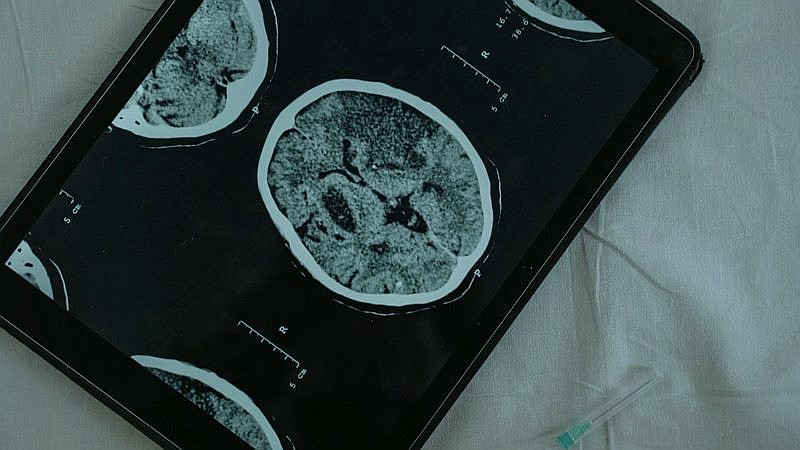
Neuroimaging techniques like functional magnetic resonance imaging (fMRI) and electroencephalography (EEG) are giving us a peek inside the brains of people experiencing chronic pain and depression. These tools allow scientists to observe brain activity in real-time.
Specific brain regions consistently pop up in pain processing: the anterior cingulate cortex (ACC), the amygdala, and the prefrontal cortex (PFC). The ACC is involved in the emotional response to pain, while the amygdala processes fear and anxiety. And the PFC? It’s the brain’s control center for decision-making and emotional regulation. Big difference.
What researchers have found is that these regions often exhibit altered activity in both chronic pain and depression. For example, the ACC might be overactive, amplifying the perception of pain, while the PFC might be underactive, impairing the ability to cope with it.
One study, in particular, highlighted distinct brain activity patterns associated with chronic pain and depression. It showed that individuals with both conditions had unique neural signatures, suggesting that the two conditions interact in complex ways within the brain.
Inflammation: A Key Factor in the Chronic Pain and Depression Cycle
Here’s where things get interesting: chronic pain can trigger systemic inflammation. Your body’s trying to heal, but the persistent pain signal keeps the inflammatory response on high alert. This isn’t just about sore muscles. It’s about your whole system.
Cytokines and other inflammatory markers flood the body, eventually affecting brain function and neurotransmitter balance. This can disrupt the delicate chemical dance that keeps our mood stable. Not good.
And guess what? Inflammation isn’t just linked to depression. It’s also connected to gut health. There’s increasing evidence that a healthy gut microbiome can reduce inflammation and improve mental well-being. I, for one, started taking a daily prebiotic supplement, and I’ve noticed a definite improvement in my mood and digestion. Small change, big difference.
Potential Treatments Targeting the Brain for Chronic Pain and Depression
So, what can be done? The good news is that there are treatments that target the brain to address both chronic pain and depression.
Cognitive Behavioral Therapy (CBT) is one such approach. It helps individuals identify and change negative thought patterns and behaviors that contribute to both conditions. CBT has been shown to alter brain activity in regions associated with emotional regulation.
Mindfulness meditation is another powerful tool. It can help reduce pain perception and improve mood by promoting relaxation and increasing awareness of the present moment. Regular meditation practice has been linked to changes in brain structure and function.
Medication options include antidepressants, which can help regulate neurotransmitter levels and improve mood, and pain relievers, which can reduce pain signals and inflammation. It’s crucial to work closely with your doctor to determine the best medication regimen for your specific needs.
Emerging therapies like transcranial magnetic stimulation (TMS) are also showing promise. TMS uses magnetic pulses to stimulate specific brain regions, potentially alleviating both pain and depression symptoms.
Lifestyle Changes to Support Brain Health and Manage Chronic Pain and Depression
Don’t underestimate the power of lifestyle changes. What you do every day matters – a lot.
Regular exercise and physical activity are crucial for both physical and mental health. Exercise can reduce pain, improve mood, and boost brain function. Even a short walk can make a difference. Start small and build from there.
The truth is, A balanced diet rich in antioxidants and omega-3 fatty acids can also support brain health and reduce inflammation. Think colorful fruits and vegetables, fatty fish, and nuts and seeds.
Sleep quality is another key factor. Poor sleep can exacerbate both pain and depression. Aim for 7-9 hours of quality sleep each night. Easier said than done, I know. But worth prioritizing.
The truth is, Finally, stress management techniques like yoga, deep breathing exercises, and spending time in nature can help reduce stress levels and improve overall well-being.
Understanding Your Risk: Could Chronic Pain Lead to Depression?
What surprised me was that Certain factors can increase your risk of developing depression if you have chronic pain. These include a history of mental health issues, lack of social support, and high levels of stress.
Early warning signs of depression include persistent sadness, loss of interest in activities you once enjoyed, changes in appetite or sleep patterns, and feelings of hopelessness or worthlessness. If you notice any of these symptoms, it’s crucial to seek professional help.
Look, Don’t wait. Early intervention can make a significant difference in managing both chronic pain and depression. There are people who care and want to help. Reach out.
And please, consult your doctor for diagnosis and treatment options. They can help you develop a personalized plan to address your specific needs and circumstances.
Frequently Asked Questions
Q: Can chronic pain cause depression?
Yes, chronic pain can significantly increase the risk of developing depression. The constant pain and limitations it imposes can negatively impact mood, sleep, and overall well-being, contributing to depressive symptoms.
Q: What brain changes are associated with chronic pain and depression?
I’ll be honest — Research suggests that both chronic pain and depression are linked to changes in brain activity and structure, particularly in regions involved in pain processing, emotion regulation, and cognitive function. Inflammation may also play a role.
Q: What are some effective treatments for chronic pain and depression?
Effective treatments often involve a combination of approaches, including medication (antidepressants, pain relievers), cognitive behavioral therapy (CBT), mindfulness techniques, and lifestyle modifications such as exercise and a healthy diet. Consult your doctor for personalized recommendations.
Q: How can I manage chronic pain to prevent depression?
Proactive management of chronic pain is key. This includes working closely with your doctor to develop a pain management plan, practicing stress reduction techniques, maintaining a healthy lifestyle, and seeking support from friends, family, or a therapist.
Q: Is there a connection between inflammation and chronic pain and depression?
Yes, there’s growing evidence that inflammation plays a significant role in both chronic pain and depression. Chronic pain can trigger systemic inflammation, which can then affect brain function and contribute to depressive symptoms.
The National Institutes of Health has a lot of useful resources for dealing with pain.
So, where does this leave us? Understanding the complex interplay between pain and mood is key. It’s not just about the physical sensation. So yeah, it’s about the brain, inflammation, and your overall well-being. Take charge of your health. You deserve it.