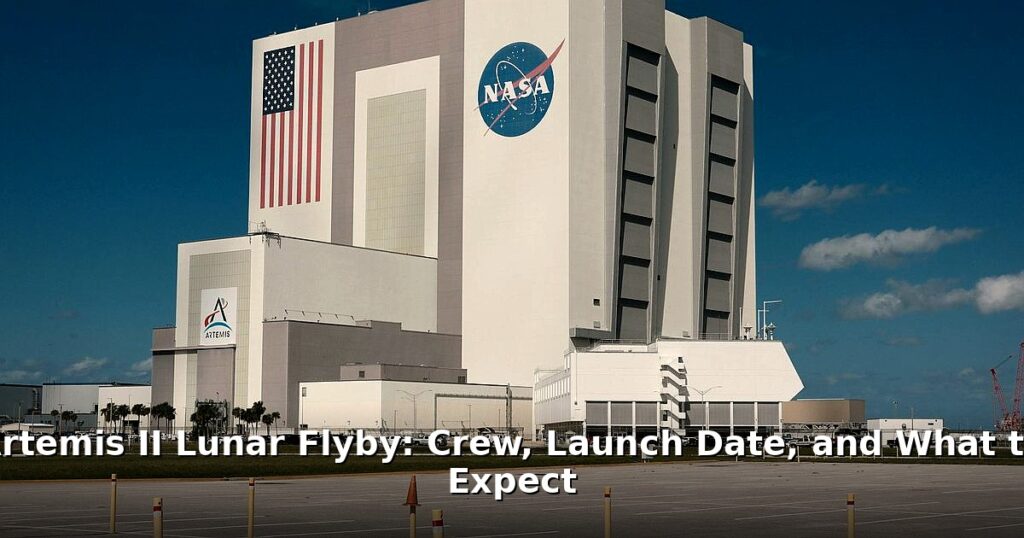

The air crackles with anticipation. Not just here on Earth, but all the way out there – 238,900 miles to be exact. NASA’s Artemis II lunar flyby is gearing up, and it’s more than just a trip around the block. It’s a crucial test, a bold step, and a symbol of humanity’s renewed ambition to explore the cosmos. The smell of jet fuel always reminds me of my first international flight; the excitement is similar, but multiplied by a million.
Table of Contents
What Exactly Is the Artemis II Lunar Flyby?
Let’s get down to brass tacks. The Artemis program, at its core, is NASA’s ambitious plan to return humans to the Moon and, eventually, set the stage for missions to Mars. It’s a multi-faceted endeavor involving international partnerships, technology, and a whole lot of brainpower.
Artemis II is the first crewed mission of this program, and its main objective is a lunar flyby. What does that mean? Well, the spacecraft, with its four-person crew, will journey around the far side of the Moon before swinging back home. Think of it as a high-stakes test drive. This mission is designed to push the Orion spacecraft and its life support systems to their limits, ensuring they’re ready for more complex lunar operations. Big difference. Check out our guide on Michigan Final Four Blowout: Wolverines Headed to Title Game!. We covered this in Brush Fires: Moreno Valley & Acton Travel Safety.
You might be thinking, “Didn’t we do this before?” And you’d be right. The Apollo 8 mission in 1968 followed a similar path. But while Apollo 8 was largely about demonstrating the capability to reach the Moon, Artemis II is about something more. It’s about gathering critical data and proving the systems necessary for a sustained lunar presence.

Meet the Trailblazing Artemis II Crew Members
Now, let’s talk about the stars of the show: the Artemis II crew. These aren’t just astronauts; they’re pioneers, carrying the hopes and dreams of a planet on their shoulders.
- Reid Wiseman: A seasoned NASA astronaut, Wiseman will command the mission. He’s a veteran of spaceflight, having previously served as a flight engineer on the International Space Station. Think calm, collected leadership.
- Victor Glover: Glover will serve as the pilot. He’s got experience piloting the SpaceX Crew Dragon, and he brings a wealth of expertise to the table. Plus, he’ll be the first person of color to venture that far into space.
- Christina Koch: A record-breaking astronaut, Koch holds the record for the longest single spaceflight by a woman. She’s an engineer with a background in electrical engineering, and she’ll be a mission specialist.
- Jeremy Hansen: Representing the Canadian Space Agency, Hansen will also serve as a mission specialist. A former fighter pilot, he brings a unique skill set and international perspective to the crew.
The composition of this crew is significant. Not only are they highly skilled professionals, but they also represent a step toward greater inclusivity in space exploration. Having the first woman and first person of color on a lunar mission is a powerful statement about who gets to participate in shaping our future among the stars. A future for everyone. Go figure.
Artemis II Mission Timeline and Objectives
Alright, let’s talk dates and details. The Artemis II launch date is planned for later in 2024. But remember, spaceflight is a complex business, and dates can shift. You’ll want to keep an eye on official NASA announcements for the most up-to-date information. For example, you can visit NASA’s Artemis II mission page for updates.
Once launched, the Orion spacecraft will a carefully calculated trajectory around the Moon. This isn’t just a quick loop. It’s a multi-day journey designed to thoroughly test all systems. The spacecraft will travel thousands of miles beyond the far side of the Moon, farther than any human has traveled before.
What will they be doing up there? Well, the mission has some key objectives:
- Testing Life Support Systems: Ensuring the crew can survive and thrive in deep space is paramount.
- Communication: Maintaining reliable communication with Earth is critical for mission control and crew safety.
- Spacecraft Performance: Evaluating how the Orion spacecraft performs in the harsh environment of deep space is crucial for future missions.
Why the Artemis II Lunar Flyby Truly Matters
So, why all this effort? Why is the Artemis II lunar flyby such a big deal? It’s more than just a cool space mission (though it is pretty cool). It’s a crucial stepping stone towards establishing a sustainable presence on the Moon.
Artemis II will provide invaluable data and experience that will directly inform the design and execution of future lunar landing missions. It’s like running a marathon; you don’t just show up at the starting line without training. This mission is the training run.
NASA’s long-term goals extend beyond simply visiting the Moon. The ultimate aim is to establish a permanent lunar base, enabling scientific research, resource utilization, and the development of technologies needed for even more ambitious missions to Mars. The Artemis program isn’t just about going back to the Moon, it’s about building a bridge to the future.
And it’s not just a US endeavor. International collaboration is a cornerstone of the Artemis program. The Canadian Space Agency (CSA), for example, is providing the Canadarm3 robotic arm for the Lunar Gateway, a future space station orbiting the Moon. Their contribution to Artemis II with Jeremy Hansen on board highlights this important partnership. No joke.
How to Follow the Artemis II Mission Every Step of the Way
Want to stay up-to-date on all things Artemis II? Here’s how to keep your finger on the pulse of this historic mission:
- Official NASA Resources: The NASA website (nasa.gov) is your go-to source for official updates, press releases, and mission information.
- Social Media: Follow NASA’s social media accounts (Twitter, Facebook, Instagram) for real-time updates, behind-the-scenes content, and live Q&A sessions.
You can also engage with the mission in other ways. Look for educational activities and virtual events hosted by NASA and other organizations. Who knows? You may even inspire the next generation of space explorers. Now that’s a thought.
Frequently Asked Questions
what’s the main goal of the Artemis II mission?
The primary goal is to perform a crewed lunar flyby to test critical systems and pave the way for future lunar landings. It allows NASA to assess life support, communication, and spacecraft performance in the deep space environment.
Who are the astronauts on the Artemis II mission?
The Artemis II crew consists of four astronauts: Reid Wiseman, Victor Glover, Christina Koch, and Jeremy Hansen. They represent the United States and Canada.
When is the planned launch date for Artemis II?
The launch is planned for later in 2024. Keep an eye on NASA’s official channels for the latest information.
How does Artemis II differ from the Apollo missions?
While both involve sending humans around the Moon, Artemis II focuses heavily on testing systems for a sustained lunar presence. It’s a crucial step towards establishing a base on the Moon, unlike the brief Apollo visits. This article compares the two programs in more detail.
What happens after the Artemis II lunar flyby?
After Artemis II, NASA plans to launch Artemis III, which aims to land astronauts on the lunar surface near the Moon’s South Pole. This mission will build upon the knowledge and experience gained from Artemis II.
The Artemis II lunar flyby isn’t just about going back; it’s about going forward, pushing the boundaries of human exploration, and inspiring generations to come. It’s a reminder that even the most ambitious dreams can be realized with vision, dedication, and a spirit of collaboration. Are you ready to look up?