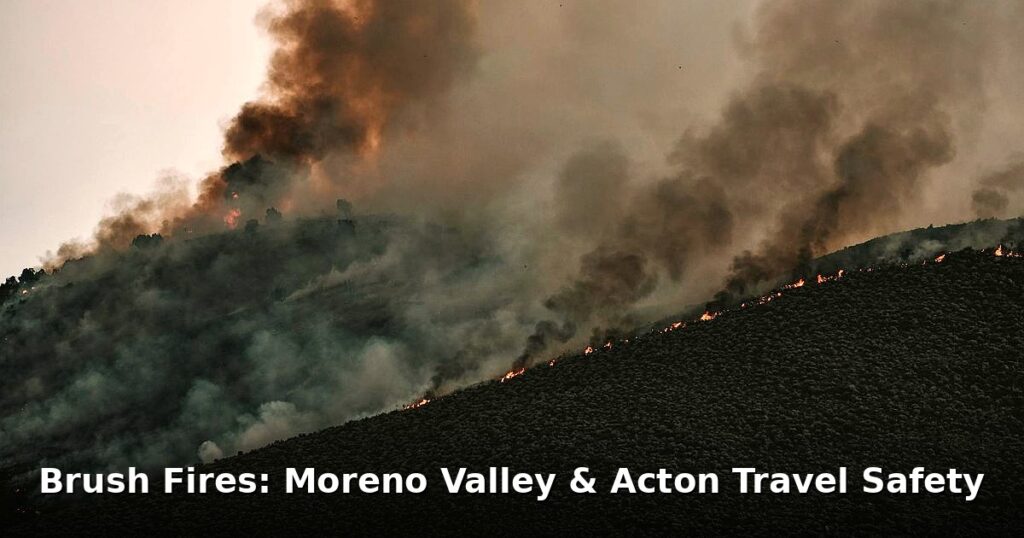

The smell of eucalyptus always takes me back to hiking in the Santa Monica Mountains. It’s a scent I associate with sunshine and fresh air. But lately, here in Southern California, that familiar fragrance is battling another, far more sinister aroma: woodsmoke. And that means only one thing—brush fires.
Table of Contents
Right now, several active fires are impacting communities and travel, particularly in the Moreno Valley and Acton areas. If you’re planning to travel anywhere nearby, you need to be aware of the situation. Things can change rapidly, and your safety should always be the top priority.
Active Brush Fires Near Moreno Valley and Acton
Two major fires are currently making headlines. The first, near Moreno Valley, is threatening homes and has already led to evacuations. Initial reports suggest the fire started near a highway and quickly spread due to dry conditions and strong winds. Resources are stretched thin, and firefighters are working around the clock to contain it. Check out our guide on Iran War Fears: Oil Prices Surge as Trump Escalates Tensions. We covered this in Iran Travel Warning: U.S. Bombing Threat and Safety Concerns.
The second major fire is burning in the Acton area, north of Los Angeles. This one’s particularly concerning because of its proximity to several small communities and major transportation routes. The Acton fire, fueled by dry brush and erratic winds, has proven difficult to control, leading to road closures and mandatory evacuations. I drove through Acton once — charming little town. Hate to see it threatened like this.
As of today, containment is still a major challenge for both fires. Firefighters are facing steep terrain, limited access, and constantly shifting winds. Containment percentages are being updated regularly, but progress is slow. It’s a tough battle against nature, made even harder by the ongoing drought.
To stay informed, rely on official sources. Cal Fire (fire.ca.gov) is your best bet for the latest information on fire perimeters, containment, and evacuation orders. Local news outlets like the Los Angeles Times and local TV stations also provide up-to-the-minute coverage. Don’t depend on social media rumors – stick to the facts.
Sadly, this isn’t the first time these areas have faced devastating wildfires. The lessons learned from past events – like early evacuation and creating defensible space around homes – are being put to the test once again. But preparation only goes so far against the raw power of a wildfire.
Evacuation Information and Road Closures
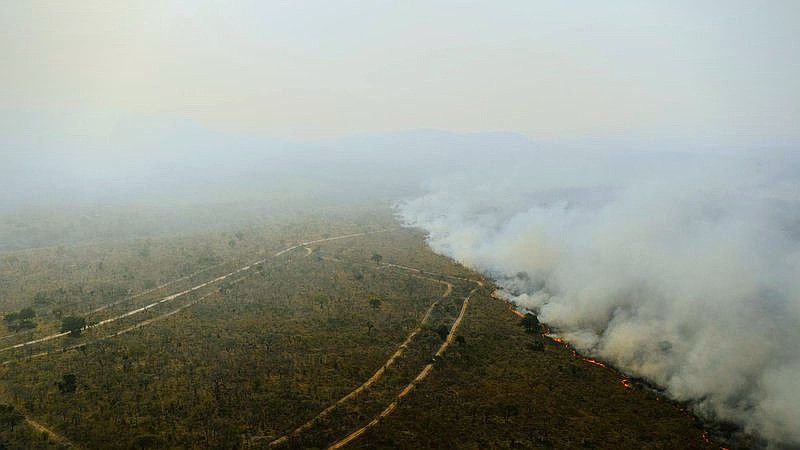
If you’re anywhere near the Moreno Valley fire or the Acton fire, you need to know the evacuation status. Evacuation orders are mandatory; you must leave immediately. Evacuation warnings mean you should be prepared to leave at a moment’s notice. Don’t wait until the last minute; conditions can change in an instant.
Current evacuation orders and warnings are typically issued by local law enforcement and fire departments. These orders are often communicated through emergency alert systems, so make sure your phone is set up to receive them. Pay attention to local news and social media channels from official sources. Not ideal.
Road closures are another critical consideration. The Acton fire, in particular, has led to the closure of major highways, causing significant traffic disruptions. Check with the California Department of Transportation (Caltrans) for the latest road conditions and alternate routes. Don’t rely on your GPS alone; it may not reflect the most current closures.
Shelter locations are being established for evacuees. These shelters provide temporary housing, food, and medical assistance. Information on shelter locations can be found on the websites of local emergency management agencies and the American Red Cross. If you’re evacuating, know where you’re going before you leave.
Resources are also available to help you find loved ones who may have been displaced by the fires. The American Red Cross operates a family reunification service that can help connect people who have been separated. Social media can also be a useful tool, but again, verify any information you find through official channels.
Wildfire Evacuation Checklist
- Medications
- Important documents (ID, insurance, etc.)
- Phone and charger
- Cash
- Water and snacks
- A change of clothes
That’s the bare minimum. Think about what you’d need to be comfortable for a few days away from home.
Air Quality Concerns for Travelers
What surprised me was that Even if you’re not directly in the path of the brush fires, the smoke can travel for miles, impacting air quality far beyond the immediate fire zone. Wildfire smoke is a serious health hazard, especially for children, the elderly, and people with respiratory conditions.
The primary health risk associated with wildfire smoke is the inhalation of fine particulate matter (PM2.5). These tiny particles can penetrate deep into the lungs and even enter the bloodstream, causing a range of health problems, from coughing and wheezing to more serious cardiovascular issues. Not good. At all.
The Air Quality Index (AQI) is a useful tool for assessing the level of air pollution in your area. The AQI ranges from 0 to 500, with higher numbers indicating poorer air quality. You can find the AQI for your location on the EPA’s AirNow website or through various weather apps. If the AQI is elevated, take precautions to protect yourself. Huge.
Here’s the thing — Here are a few tips for protecting yourself from smoke inhalation:
- Stay indoors with windows and doors closed.
- Use an air purifier with a HEPA filter to remove particles from the air.
- Avoid strenuous activities outdoors.
- Wear an N95 mask if you must go outside. (Cloth masks don’t cut it.)
- Drink plenty of water.
Wildfire smoke can also impact outdoor activities, such as hiking, biking, and camping. If the air quality is poor, it’s best to postpone these activities until the smoke clears. Don’t risk your health for a hike; the mountains will still be there later.
Travel Safety Tips During Wildfires
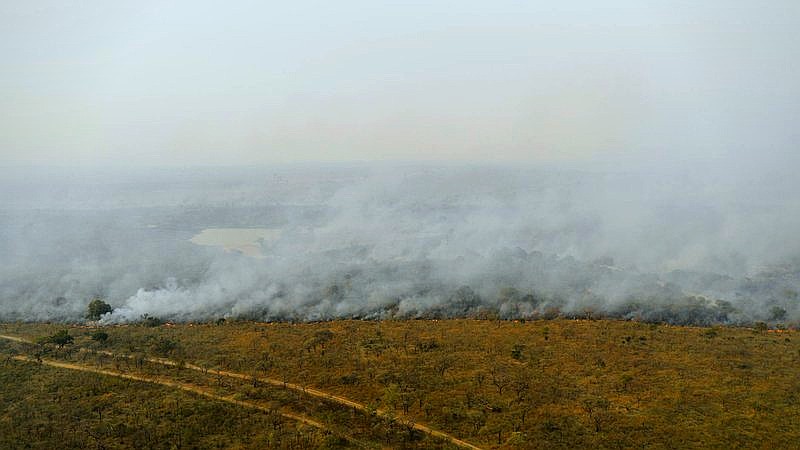
Traveling near active California wildfire travel zones requires extra vigilance. The first step is to monitor official alerts and warnings. Sign up for emergency notifications from local authorities and keep an eye on news reports. Knowledge is power, and in this case, it could save your life.
Packing essentials for potential evacuations is also crucial. A “go-bag” should include items such as water, food, medications, a flashlight, a first-aid kit, and copies of important documents. Keep this bag in your car or easily accessible at all times. Hope for the best, but prepare for the worst.
Adjusting your travel plans to avoid affected areas is often the safest option. If possible, reroute your trip to steer clear of fire zones and areas with poor air quality. Be flexible and willing to change your itinerary if necessary. A little inconvenience is better than putting yourself in harm’s way.
Here’s what most people miss: And remember to be aware of fire hazards and practice fire safety. Never throw cigarettes out the window, and be careful with any open flames. One careless act can spark a devastating wildfire. It’s everyone’s responsibility to prevent these tragedies.
Supporting Affected Communities
These brush fires aren’t just statistics; they’re impacting real people and communities. There are many ways you can help those who have been affected.
Several organizations are providing aid and relief to wildfire victims. The American Red Cross, Salvation Army, and local community groups are all working to provide shelter, food, and other essential services. Consider donating to these organizations to support their efforts.
Volunteering is another way to make a difference. Many organizations need volunteers to help with tasks such as sorting donations, preparing meals, and providing emotional support. Contact local volunteer centers to find opportunities in your area. Even a few hours of your time can make a big impact.
Promoting responsible tourism and economic recovery is also important. After the fires have been contained, consider visiting the affected areas and supporting local businesses. But be respectful and mindful of the ongoing recovery efforts. Don’t gawk; support.
Long-term recovery efforts will be needed to help communities rebuild and recover from the devastation. This may involve providing financial assistance, counseling services, and job training. Stay engaged and continue to support these efforts in the months and years to come. Recovery takes time.
Understanding Wildfire Risks and Prevention
I’ll be honest — Understanding the causes of brush fires is the first step in preventing them. Many wildfires are caused by human activity, such as unattended campfires, improperly discarded cigarettes, and equipment malfunctions. Natural causes, such as lightning strikes, can also ignite wildfires, but these are less common.
fire prevention measures can’t be overstated. Clear brush and vegetation around your home, maintain your vehicles to prevent sparks, and be extremely careful with any open flames. Small actions can make a big difference in reducing the risk of wildfires.
Numerous resources are available to help you learn about wildfire safety. Cal Fire and other agencies offer educational materials and programs on topics such as defensible space, evacuation planning, and fire-resistant landscaping. Take advantage of these resources to protect yourself and your community.
Ultimately, preventing wildfires is a shared responsibility. By being aware of the risks and taking precautions, we can all help to reduce the number and severity of these devastating events. It starts with each of us.
Frequently Asked Questions
Where are the current brush fires located?
Currently, significant brush fires are burning near Moreno Valley and Acton in California. These fires are impacting air quality and travel in the surrounding areas.
What should I do if I’m in an evacuation zone?
If you’re in an evacuation zone, follow instructions from local authorities immediately. Gather essential items, evacuate calmly, and proceed to designated shelter locations.
How can I protect myself from wildfire smoke?
To protect yourself from wildfire smoke, stay indoors with windows closed, use air purifiers, and wear an N95 mask when outdoors. Limit strenuous activities outside. Just something to think about.
How can I stay updated on the fires?
Stay updated by monitoring official sources like Cal Fire, local news outlets, and emergency alert systems. These sources provide the most accurate and timely information.
These fires are a stark reminder of the power of nature and preparedness. It’s easy to feel helpless in the face of such devastation, but there are things we can do – stay informed, take precautions, and support those who have been affected. The scent of eucalyptus will always remind me of California, but I hope the smell of smoke fades from our memories soon.