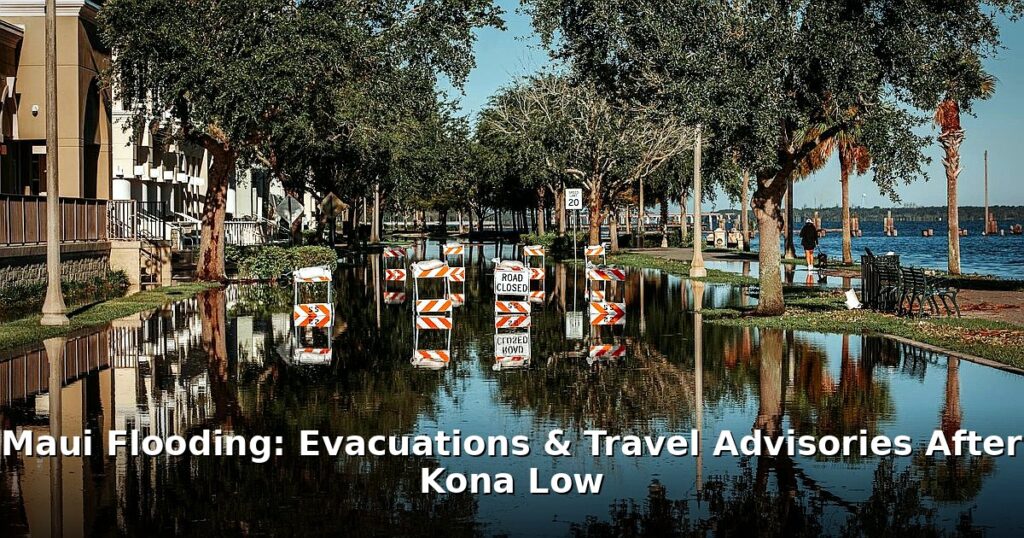

The sky turned an ominous shade of gray I haven’t seen since Hurricane Iniki slammed into Kauai back in ’92. A churning, angry gray that seemed to swallow the sun whole. And then the rain started. Not a gentle, tropical shower, but a deluge – the kind that turns roads into rivers in minutes. Right now, Maui flooding is a serious concern, and residents and travelers alike need to pay close attention to official warnings.
Table of Contents
Urgent Maui Flooding Prompts Evacuations
A powerful Kona Low storm system is currently battering Maui County, unleashing torrential rainfall and triggering widespread flooding. The situation is evolving rapidly, with evacuation orders and warnings issued for several areas. We’re talking about a real emergency, folks.
Specifically, areas near overflowing rivers and streams, and those prone to landslides are under the most urgent evacuation orders. That includes communities in low-lying areas and those nestled in valleys. Officials are urging residents to evacuate immediately to designated shelters or higher ground. Check out our guide on Iran Travel Safety: Recent Strikes & Travel Advisories. We covered this in Supermicro Smuggling Arrest: $2.5B GPUs to China?.
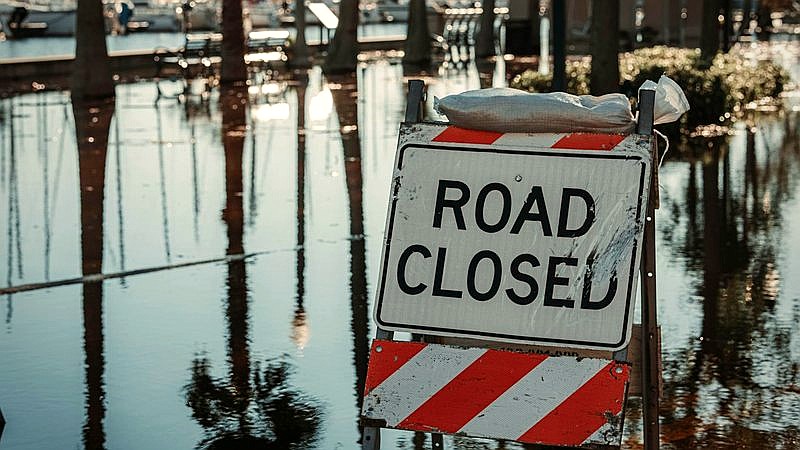
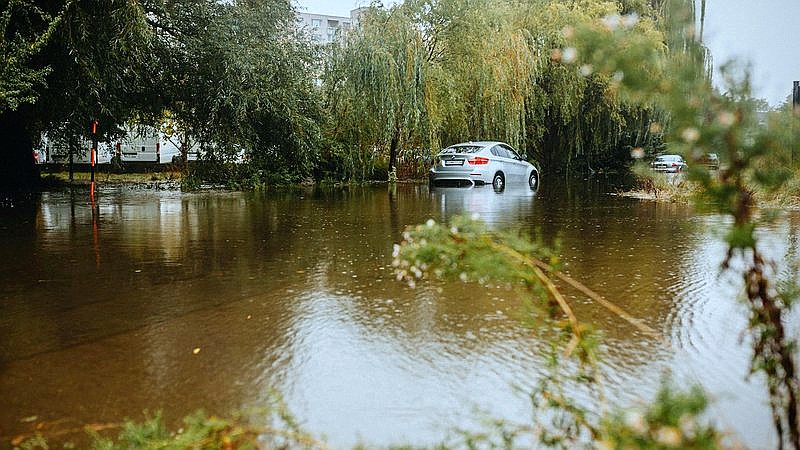
The dangers are very real. Landslides are a significant threat, as the saturated ground gives way under the weight of all that water. Debris flow – a slurry of mud, rocks, and vegetation – can also inundate homes and block roadways. Road closures are already widespread, making travel treacherous or impossible in some areas. I saw a video online of a car almost completely submerged; scary stuff.
This isn’t the first time Maui has faced severe weather, of course. I remember the flash floods of 2016 that ripped through Iao Valley, causing extensive damage. This Kona Low storm, though, feels different. More intense. The rainfall is relentless, and the ground is already saturated. It’s a recipe for disaster.
Kona Low Explained: What’s Causing the Maui Floods?
So, what exactly is a Kona Low, and why is it causing so much trouble? Simply put, a Kona Low is a type of cyclone that forms in the central Pacific Ocean, near Hawaii, typically during the winter months. The name “Kona” refers to the leeward (western) side of the Hawaiian Islands, where these storms often originate.
Unlike typical weather systems that approach Hawaii from the east, Kona Lows develop to the west and draw moisture from the warm tropical waters surrounding the islands. This moisture-laden air then gets funneled into the islands, resulting in prolonged periods of heavy rain and strong winds. And boy, are we seeing that now.
What surprised me was that This particular Kona Low storm is dumping inches upon inches of rain on Maui, exceeding rainfall amounts predicted just days ago. Wind speeds are also increasing, further exacerbating the flooding situation. The combination of heavy rain and strong winds can bring down trees and power lines, leading to widespread power outages. Not great. Huge.
For the very latest updates on weather reports and forecasts, check the National Weather Service website. weather.gov They’re the best source for up-to-the-minute information.
Here’s what most people miss: It’s hard to ignore the elephant in the room: climate change. While it’s impossible to attribute any single weather event solely to climate change, scientists warn that rising global temperatures are likely to increase the intensity of extreme weather events like Kona Lows. Warmer ocean temperatures mean more moisture in the atmosphere, potentially leading to heavier rainfall and more severe flooding.
Maui Travel Advisory: Is Your Trip Affected?
Planning a trip to Maui? Or are you scheduled to fly over? It’s essential to be aware of the current Maui travel advisory issued by Maui County and the State of Hawaii. The flooding is impacting travel, and conditions are changing rapidly.
Flights to and from Kahului Airport (OGG) are experiencing delays and cancellations, so check with your airline for the latest information on your flight status. Inter-island travel may also be affected, as ferry services could be suspended due to rough seas and strong winds. Basically, expect disruptions.
If you have an upcoming trip to Maui, seriously consider postponing it if it’s not essential. The last thing you want is to be stranded or put yourself at risk during a weather emergency. If you absolutely must travel, be prepared for delays, road closures, and potential disruptions to services.
Okay, so Here’s what you should do right now:
- Monitor local news and weather reports for the latest updates.
- Sign up for emergency alerts from Maui County.
- Contact your airline and hotel to confirm your reservations.
- Pack essential supplies, including food, water, and medications.
- Let someone know your travel plans and check in regularly.
Staying informed is crucial. Conditions can change quickly, so keep an eye on official sources for the most accurate information. Don’t rely on social media rumors or hearsay. Stick to verified news outlets and government websites.
Safety Tips During and After the Maui Flooding
Your safety is the top priority. If you’re on Maui, here are some important safety precautions to take during and after the flooding:
During the flood:
- Avoid driving unless absolutely necessary. Roads may be flooded or blocked by debris.
- Stay away from waterways, including rivers, streams, and drainage ditches.
- If you’re caught in a flood, seek higher ground immediately.
- don’t attempt to walk or swim through floodwaters. The current can be deceptively strong.
- If you’re in a building, move to the highest level.
- Listen to your radio or television for updates and instructions.
But what if you’re caught in your car?
- Abandon the vehicle and move to higher ground if rising water is threatening your safety.
Post-flood safety is also crucial.
- Avoid contact with floodwater. It may be contaminated with sewage, chemicals, or other hazardous materials.
- Report any damage to your property to your insurance company and local authorities.
- Be aware of downed power lines. Report them to the electric company immediately.
- don’t attempt to clean up flood damage until it’s safe to do so. Wear protective clothing, including gloves, boots, and a mask.
- Be cautious of wild animals that may be displaced by the flooding.
For emergency assistance and support, contact the Maui County Civil Defense Agency or your local fire department. They can provide guidance and resources to help you stay safe.
How You Can Help Maui Flood Victims
Look, The people of Maui need our help. The extent of the damage is still being assessed, but it’s clear that many families have been displaced and have lost their homes and belongings. Here’s how you can help:
There are several local organizations providing relief and support to flood victims. Consider donating to the Maui Food Bank, the American Red Cross of Hawaii, or other reputable charities working on the ground.
Monetary donations are often the most effective way to help, as they allow relief organizations to purchase the specific supplies that are needed most. In-kind donations, such as food, clothing, and household items, are also welcome, but be sure to check with the organization first to see what they need and where to drop them off.
If you’re on Maui, you can volunteer your time to help with cleanup efforts. Contact local organizations to find out about volunteer opportunities. Even a few hours of your time can make a big difference.
Long-term recovery efforts will be needed to help Maui rebuild after the flooding. Consider making a recurring donation to support these efforts. Every little bit helps.
Remembering the Fragrant Aftermath of Storms
Here’s the thing — I’ll never forget the aftermath of Hurricane Iniki. The devastation was widespread, but amidst the chaos and destruction, there was a strange, almost haunting beauty. Thing is, the air was thick with the smell of wet earth and crushed vegetation. And the plumeria… Oh, the plumeria. Their sweet, intoxicating fragrance seemed to intensify after the storm, a poignant reminder of life’s resilience. Not even close.
I think of that scent now. It brings back that odd mix of fear and hope, destruction and rebirth.
The Hawaiian community is incredibly resilient. They’ve weathered countless storms and challenges over the years. But they can’t do it alone. They need our support during this difficult time. Let’s stand with Maui and its people, offering our prayers, our resources, and our unwavering aloha.
Please, don’t just read this and move on. Take action. Donate, volunteer, spread the word. Let’s show Maui that we care. The Maui evacuation situation is critical, but the spirit of aloha is stronger.
Frequently Asked Questions
Q: what’s a Kona Low and how does it affect Hawaii?
A: A Kona Low is a type of cyclone that forms in the central Pacific Ocean near Hawaii during the winter months. It brings prolonged periods of heavy rain, strong winds, and potential flooding to the islands.
Q: What areas of Maui are under evacuation orders?
A: Evacuation orders are issued based on the specific areas at highest risk of flooding. Stay updated on the latest evacuation orders from Maui County Civil Defense.
Q: Is it safe to travel to Maui right now?
A: Travel to Maui may be impacted depending on the severity of the flooding. Check official travel advisories and monitor weather conditions before traveling. Consider postponing non-essential travel. A lot to unpack there.
Q: Where can I find the latest updates on the Maui flooding?
A: Official sources for updates include the Maui County website, local news outlets, and the National Weather Service. Sign up for emergency alerts to receive timely information. Local news will be especially helpful in understanding the Hawaii flood update situation.
Q: How can I help the victims of the Maui flooding?
A: You can support relief efforts by donating to reputable local organizations providing assistance to those affected by the floods. Volunteer opportunities may also be available.