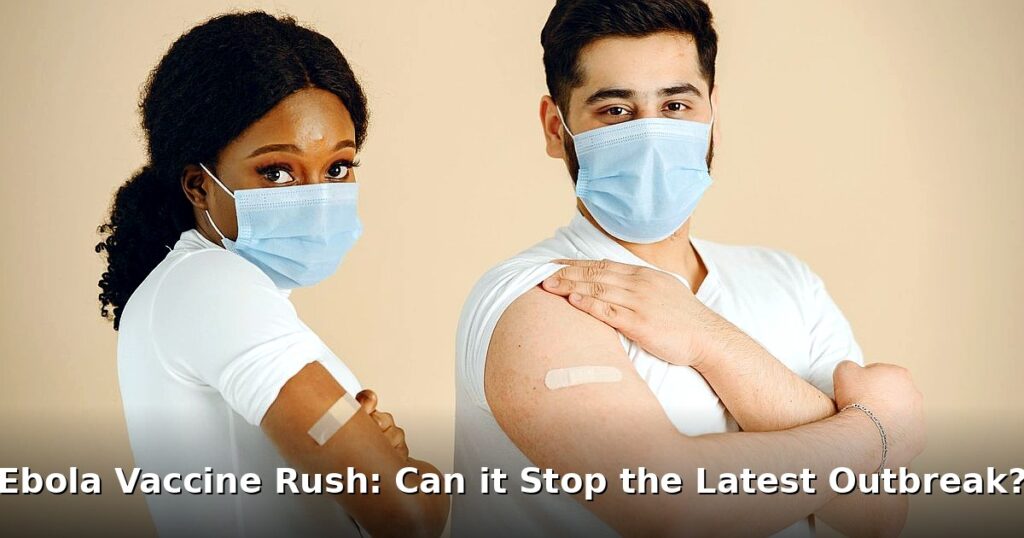

Just when we think we’re catching a break, another health crisis emerges, often in places already grappling with so much. Ebola, a name that sends shivers down spines, has sadly resurfaced in recent times. It’s a brutal disease, and the latest outbreaks, like the ones we’ve seen in parts of Africa, remind us just how quickly things can escalate. The big question on everyone’s mind, especially for those of us tracking global health news, is this: Can the rush for an Ebola vaccine truly slow down these terrifying outbreaks, or are we always playing catch-up?
Table of Contents
I spend a lot of time sifting through scientific papers and public health reports, trying to make sense of these complex situations. It’s clear that with highly infectious diseases like Ebola, speed is everything. A rapid, coordinated response isn’t just ideal; it’s absolutely critical.
Understanding the Latest Ebola Outbreak
Ebola isn’t new to us. We’ve seen its devastating power time and again, most notably during the massive West African outbreak from 2014-2016, which truly brought the virus to global attention. More recently, countries like the Democratic Republic of Congo (DRC) have faced repeated outbreaks, sometimes even overlapping ones. These aren’t just statistics; they’re communities torn apart, families grieving, and healthcare systems pushed to their breaking point. Check out our guide on Mild Winter, More Ticks: How to Protect Yourself Outdoors. We covered this in Banana Color Guide: Taste, Nutrition, and How to Choose Yours.
The virus itself is insidious. It spreads through direct contact with the blood or body fluids of a person who’s sick with Ebola, or the body of someone who has died from it. This includes things like vomit, feces, urine, saliva, sweat, semen, and breast milk. And here’s the really tricky part: people aren’t infectious until they develop symptoms. But once they do, the viral load can be incredibly high. Just think about a caregiver, a family member, or even someone performing burial rites – their risk of exposure is immense.
The impact on communities goes far beyond the immediate illness and death. It cripples economies, disrupts education, and creates a pervasive climate of fear and suspicion. People avoid hospitals, even for non-Ebola ailments, because they’re afraid of catching the virus. Essential services falter. It’s a cascading crisis, really. And that’s why an effective Ebola outbreak response needs to be swift, comprehensive, and compassionate.
Go figure.
The Power of the Ebola Vaccine: A Game Changer?
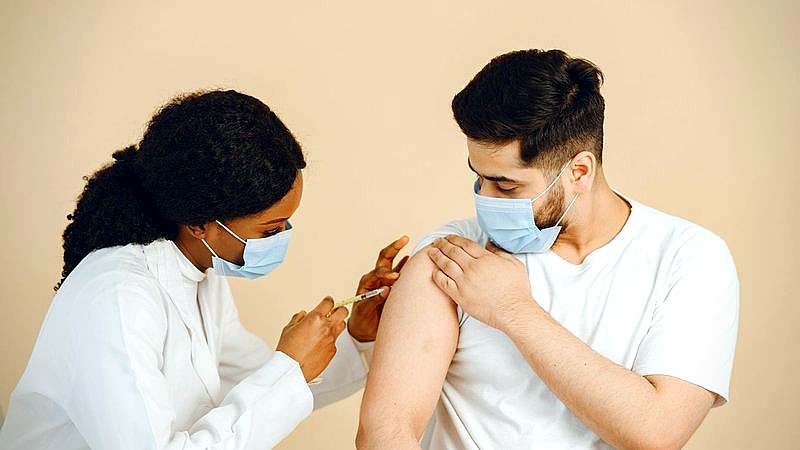
Amidst all this bleakness, there’s a beacon of hope: the rVSV-ZEBOV vaccine. This isn’t some experimental shot anymore; it’s a proven tool that has genuinely shifted the paradigm in how we fight Ebola. It’s specifically designed to protect against the Zaire strain of the Ebola virus, which is responsible for most outbreaks we’ve seen. And boy, is it effective. Studies have shown incredibly high efficacy rates, often above 90%, in preventing Ebola in people who have been exposed to the virus. Pretty wild, right?
I’ll be honest — So, how does it work? The rVSV-ZEBOV vaccine is a recombinant, replication-competent viral vaccine. Essentially, it uses a modified, harmless vesicular stomatitis virus (VSV) that has been engineered to carry a single Ebola virus protein. When injected, this protein triggers an immune response in the body, teaching your immune system how to recognize and fight off the actual Ebola virus if you ever encounter it. It’s a clever way to build immunity without ever exposing someone to the full, dangerous virus.
Here’s the thing — The real magic in its deployment comes through a strategy called ‘ring vaccination.’ Instead of trying to vaccinate an entire population, which would be logistically impossible in an emergency, ring vaccination focuses on creating a protective “ring” around confirmed cases. This means identifying all contacts of a confirmed Ebola patient, and then contacts of those contacts – sometimes referred to as ‘contacts of contacts.’ All these individuals are offered the vaccine. The idea is to break the chains of Ebola virus transmission by immunizing those most likely to have been exposed or to become exposed. It’s a targeted, efficient approach that has proven incredibly successful in curbing outbreaks. Pretty wild, right?
Ring Vaccination Strategy: A Closer Look
Imagine a ripple effect. A person gets sick. We identify everyone they’ve been in close contact with: family members, healthcare workers, friends, even taxi drivers. These people form the first ring. Then, we identify everyone those people have been in contact with. That’s the second ring. By vaccinating these rings, we’re building a firebreak, stopping the virus from jumping to new, unimmunized individuals. It requires meticulous contact tracing and a deep understanding of community networks. Worth noting — it’s painstaking work, but it’s incredibly powerful.
Challenges in Rapid Ebola Vaccine Deployment
You might not expect this, but While the vaccine itself is fantastic, getting it to the people who need it, exactly when they need it, is a monumental undertaking. This isn’t like rolling out a flu shot at your local pharmacy. We’re often talking about remote villages, conflict zones, and areas with little to no infrastructure.
The first major hurdle is the cold chain. The rVSV-ZEBOV vaccine needs to be stored at ultra-cold temperatures, sometimes as low as -60 to -80 degrees Celsius. Maintaining this kind of cold chain in places where electricity is intermittent or non-existent, or where roads are impassable, is a logistical nightmare. We’re talking about specialized freezers, generators, transportation systems, and dedicated personnel who know how to handle these precious vials without compromising their integrity.
Then there’s the sheer difficulty of remote access. Many outbreaks occur in hard-to-reach areas, deep within forests or far from major cities. Getting vaccination teams, supplies, and equipment to these locations can be incredibly challenging, sometimes requiring helicopters, motorcycles, or even long treks on foot. And let’s not forget security concerns. In regions affected by conflict, aid workers and healthcare providers face real dangers, which can slow down or even halt vaccination efforts.
Perhaps the most insidious challenge, though, is community engagement and vaccine hesitancy. Decades of instability, poor governance, and historical exploitation have bred deep distrust in many communities towards external interventions. Misinformation spreads like wildfire, fueled by rumors, traditional beliefs, and even political agendas. Building trust takes time, patience, and a genuine commitment to listening to community concerns. It involves working with local leaders, healers, and trusted community members to explain the vaccine, its benefits, and to address fears. You can’t just parachute in, vaccinate, and leave; it’s about respectful dialogue and partnership. A lot to unpack there.
And of course, none of this happens without significant funding and resource allocation. Sustained efforts, from surveillance to vaccination to follow-up care, require consistent financial support and a commitment from international organizations and donor countries. It’s not a one-and-done deal; it’s an ongoing investment in global health security.
Beyond the Vaccine: Comprehensive Outbreak Control
As revolutionary as the Ebola vaccine is, it’s not a silver bullet. An effective Ebola prevention measures strategy requires a multi-pronged approach. The vaccine is a powerful tool, yes, but it works best when integrated into a broader public health response.
One of the most crucial elements is early detection and surveillance systems. The faster we can identify a suspected case, confirm it, and begin contact tracing, the better our chances of containing the spread. This means laboratory capacity, well-trained local health workers who can recognize symptoms, and efficient reporting mechanisms. Delays here are incredibly costly.
Look, Another critical, though often culturally sensitive, component is safe and dignified burials. As I mentioned, the bodies of those who have died from Ebola are highly infectious. Traditional burial practices, which often involve extensive contact with the deceased, can unfortunately become super-spreader events. Working with communities to implement safe burial practices that still respect cultural traditions is absolutely vital in breaking these chains of transmission. It’s a delicate balance, requiring immense sensitivity and respect.
And let’s not forget the unwavering support for healthcare workers. These frontline heroes put their lives on the line every day. They need proper training, adequate personal protective equipment (PPE), and psychological support. infection control practices in healthcare facilities are non-negotiable. Without protecting our healthcare providers, the entire response can crumble. It’s a stark reminder of the sacrifices they make.
You might not expect this, but On a personal note, whenever I hear about an outbreak like Ebola, my immediate go-to is to check reputable sources. I always look at the World Health Organization (WHO) or the Centers for Disease Control and Prevention (CDC) websites for the latest updates. Their data, guidelines, and situation reports are invaluable for understanding the true scope of the challenge and the efforts being made. It’s a habit I’d recommend to anyone wanting accurate health information.
Looking Ahead: Can We Slow the Ebola Outbreak Effectively?
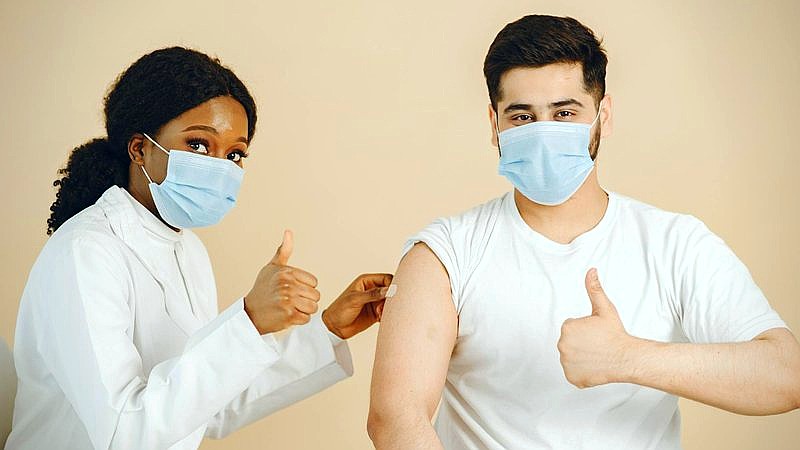
What surprised me was that So, can we effectively slow the latest Ebola outbreaks? The short answer is yes, but it requires relentless effort and unwavering commitment. The Ebola vaccine has proven itself to be a truly transformative tool. It has changed the dynamics of outbreak response, giving us a powerful weapon we didn’t have during previous large-scale epidemics.
However, the success hinges on several factors. International collaboration is paramount. No single country or organization can tackle Ebola alone. It demands coordinated efforts from governments, NGOs, research institutions, and local communities. And local leadership is equally, if not more, critical. Empowering and training local health workers and community leaders ensures that interventions are culturally appropriate and sustainable.
We also need to balance speed with ethical considerations. In an emergency, the pressure to act quickly is immense. But rushing without proper informed consent, without respecting local customs, or without engaging communities genuinely, can backfire spectacularly. Ethical deployment of vaccines and other interventions isn’t a luxury; it’s a necessity for long-term success and trust-building.
The fight against Ebola is an ongoing one. Even when an outbreak is declared over, the work isn’t done. We need to continue strengthening health systems in vulnerable regions, investing in research for new vaccines and treatments, and enhancing global preparedness for future outbreaks. Because sadly, Ebola will likely emerge again. Our readiness and our ability to deploy effective tools, like the vaccine, rapidly and equitably, will determine whether the next outbreak becomes another devastating epidemic or a contained, manageable event. It’s a constant vigilance, a global responsibility.
Frequently Asked Questions
Q: what’s the primary Ebola vaccine used today?
A: The primary vaccine currently used is rVSV-ZEBOV, which has shown high efficacy against the Zaire strain of the Ebola virus. It’s often deployed using a ‘ring vaccination’ strategy. Go figure.
Q: How quickly can the Ebola vaccine stop an outbreak?
A: The vaccine can significantly slow an outbreak when deployed rapidly and effectively, especially through ring vaccination. However, stopping an outbreak completely also relies on other public health measures like contact tracing and safe burials.
Q: Are there different types of Ebola viruses?
A: Yes, there are several species of Ebolavirus, with Zaire Ebolavirus being the most common cause of outbreaks and the target of the current vaccine. Other species include Sudan, Bundibugyo, Taï Forest, and Reston.
Q: What are the biggest challenges to getting the Ebola vaccine to people?
A: Key challenges include maintaining the cold chain for vaccine storage, reaching remote populations, ensuring security in conflict zones, and overcoming community distrust or misinformation about the vaccine.