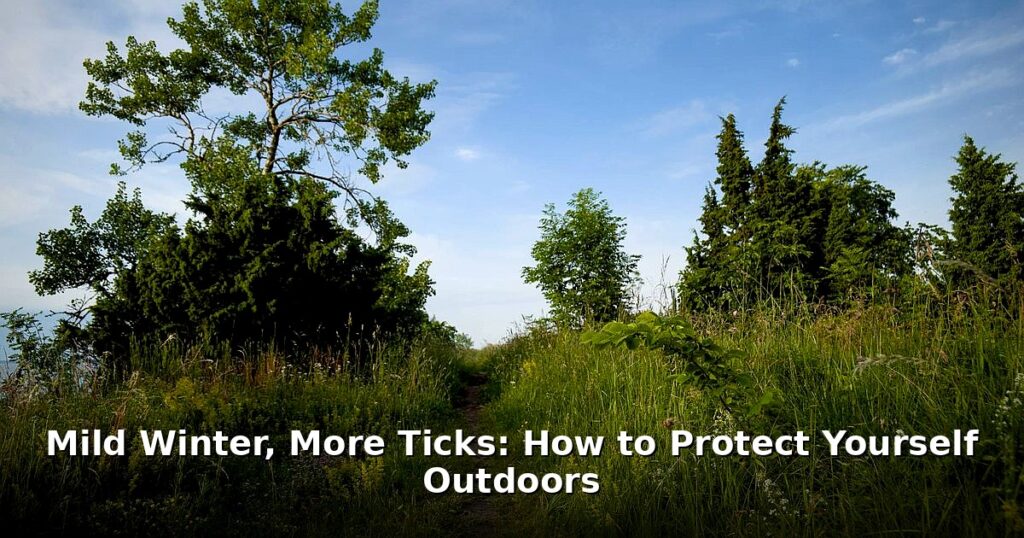

Okay, so here’s the thing about winter: we often think of it as a time when all the creepy crawlies disappear, taking a nice long nap until spring. And for many pests, that’s true! But ticks? Not so much. They’re a bit more resilient than we give them credit for, and a mild winter can actually make our lives a lot more tick-filled, which is definitely not ideal. It means we need to be extra vigilant about how to avoid ticks and protect ourselves and our loved ones.
Table of Contents
I’ve been poring over the research, and the message is pretty clear: if temperatures stay above freezing for extended periods, ticks, especially those notorious blacklegged ticks (the ones that can carry Lyme disease), can become active. They’re not exactly throwing pool parties, but they’re certainly not hunkering down as deeply as they would in a truly frigid environment. This extended activity window means more opportunities for them to find a host, and that host could easily be you, your kids, or your furry friends.
Why Mild Winters Mean More Ticks
Ticks don’t actually die off en masse in winter. Instead, they go into a state called diapause, which is kind of like a dormant, low-energy mode. They’ll hide under leaf litter, in tall grasses, or even under the snow, just waiting for the temperature to rise. A few consecutive days above freezing, even in the dead of winter, can be enough to rouse them from their slumber. Check out our guide on Banana Color Guide: Taste, Nutrition, and How to Choose Yours. We covered this in Google’s Mosquito Release: A New Approach to Disease Prevention.
Think about it: if we have a winter with fewer sustained deep freezes, their dormancy period shortens. They emerge earlier in the spring and stay active later into the fall. This extended active season directly translates to more encounters between humans and ticks. More time out, more chances to quest for a blood meal. It’s simple math, really, and not in our favor.
Here’s the thing — Specific tick species have different tolerances, too. Blacklegged ticks (Ixodes scapularis), also known as deer ticks, are particularly cold-hardy and are often the first to emerge. Lone star ticks (Amblyomma americanum) prefer slightly warmer climes but are expanding their range, and a mild winter helps them survive in new areas. And then there are the American dog ticks (Dermacentor variabilis) and Gulf Coast ticks (Amblyomma maculatum), each with their own temperature preferences. They’re all out there, and a warmer environment just makes them more confident, you know?

Gear Up: Smart Clothing Choices for Tick Bite Prevention
When you’re heading outdoors, especially into wooded or grassy areas, your clothing is your first and best defense. It’s a simple, physical barrier, and it’s surprisingly effective for tick bite prevention.
- Long Sleeves and Pants: This is non-negotiable for me. Even on a warm day, I opt for lightweight, breathable long-sleeved shirts and full-length pants if I’m going to be in an area known for ticks. It reduces the amount of exposed skin a tick can latch onto.
- Light-Colored Clothing: This is a . Ticks are tiny, but on a pair of khaki pants or a white shirt, they stick out like a sore thumb. You can spot them crawling on you much more easily, giving you time to brush them off before they find a spot to bite.
- Tuck It In: Yes, it might look a little dorky, but tucking your pant legs into your socks or boots creates a crucial seal. Ticks crawl upwards, so this prevents them from getting under your clothing and making their way to your skin. I do this every single time I’m in the woods. Every. Single. Time.
- Permethrin-Treated Clothing: For those who spend a lot of time outdoors—hikers, hunters, gardeners, or folks who just live in a tick-heavy area—permethrin-treated clothing can be incredibly effective. Permethrin is an insecticide that actually kills ticks on contact, rather than just repelling them. You can buy pre-treated clothing or treat your own. It’s safe when dry and used as directed, but it’s important to remember it’s for clothing and gear, not for direct skin application. It’s a fantastic layer of protection, but always check the product’s safety information.
Repellents That Actually Work (and How to Use Them Safely)
Okay, so Beyond clothing, repellents are your next line of defense. But not all repellents are created equal, and knowing which ones work and how to apply them is key to effective outdoor tick safety.
- DEET: This is the granddaddy of insect repellents, and for good reason—it works really well. The CDC and EPA recognize its effectiveness against ticks. For general use, products with 10-30% DEET are usually sufficient and last for several hours. Higher concentrations (up to 50%) offer longer protection but not necessarily better protection. I’d avoid anything over 30% for kids, and always follow the label instructions carefully. It’s safe when used as directed, but can sometimes feel a bit greasy.
- Picaridin: This is a newer alternative that many people prefer because it’s less greasy and has little to no odor. It’s also very effective against ticks, often comparable to DEET. Concentrations of 20% picaridin offer long-lasting protection. I actually prefer picaridin for most of my outdoor adventures because it just feels lighter on the skin.
- Oil of Lemon Eucalyptus (OLE): If you’re looking for a plant-based option, Oil of Lemon Eucalyptus (which is not the same as lemon eucalyptus essential oil, mind you) is the only one recommended by the CDC for tick repellency. It provides protection similar to lower concentrations of DEET. Just make sure the product specifies OLE or PMD (its active ingredient). It’s a good natural tick repellent alternative, but might need reapplication more frequently than DEET or picaridin.
Application Tips: Always read the label! Apply repellents to exposed skin and clothing, but avoid sensitive areas like your eyes and mouth. Don’t spray directly onto your face; spray it into your hands first, then apply. And never apply it under clothing. My personal routine? I always, always apply repellent to my shoes and the lower part of my pants before I head out on a hike. Ticks are often picked up from the ground or low vegetation, so protecting those areas is critical. Think of it as an invisible force field.
Trail Smarts: Where Ticks Hide and How to Sidestep Them
Understanding tick behavior is crucial for effective outdoor tick safety. Ticks don’t jump or fly. That’s a common misconception. Instead, they “quest.” This means they climb onto blades of grass, shrubs, or other vegetation, extending their front legs and waiting for an unsuspecting host to brush by. A little creepy, right?
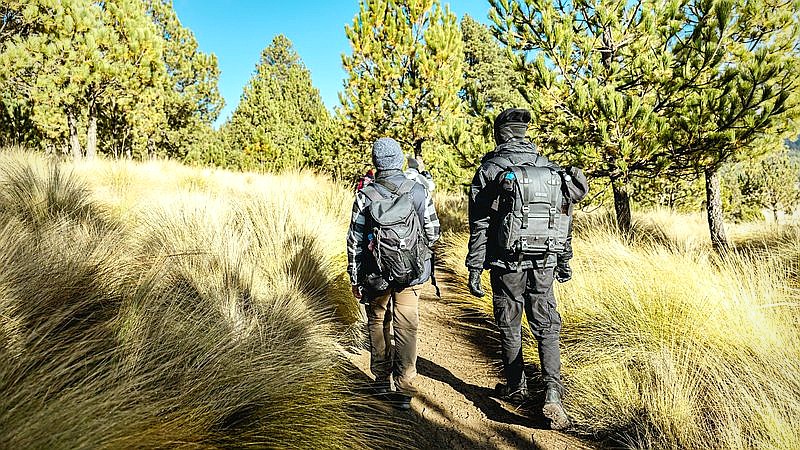
- Stick to Marked Trails: This is probably the easiest way to significantly reduce your risk. Ticks love dense vegetation, leaf litter, and tall grasses. By staying in the middle of marked trails, you minimize direct contact with these tick havens. It’s a simple, yet powerful strategy.
- Avoid Brushing Against Vegetation: Even on a trail, be mindful of overhanging branches or tall grass encroaching on the path. Try to walk in the center of the trail and avoid pushing through thick brush.
- The ‘Tick Check’: This is perhaps the most important part of your routine after being outdoors. A thorough self-inspection (and checking your companions and pets) within a few hours of coming inside can mean the difference between a tick bite and an attached tick potentially transmitting tick-borne diseases. Pay close attention to:
- Hairline and scalp
- Ears
- Armpits
- Inside your belly button
- Around your waist
- Between your legs and in the groin area
- Behind your knees
- Anywhere else clothing might have rubbed against your skin.
Use a mirror for hard-to-see areas, or ask a trusted person to help. Don’t skip this step. Seriously.
- Don’t Forget Pets: Our furry friends are tick magnets, and they can easily bring ticks into your home. Use veterinarian-approved tick prevention products for your pets and check them thoroughly after every outdoor excursion, especially around their ears, neck, and between their toes.
Post-Outdoor Protocol: Protecting Yourself Back Home
Even if you’ve done everything right on the trail, your efforts aren’t over once you’re back inside. There are a few more steps you can take to prevent those sneaky ticks from causing trouble.
- Shower Within Two Hours: Taking a shower within two hours of coming indoors can significantly reduce your risk of tick attachment. It can wash off unattached ticks, and it’s a great opportunity to do that crucial tick check.
- Tumble Dry Clothes on High Heat: Ticks are surprisingly resilient, but they don’t like heat. Tossing your clothes into a dryer on high heat for at least 10-15 minutes (before washing them, as washing alone might not kill them) can effectively kill any hitchhiking ticks.
- How to Safely Remove an Attached Tick: If you do find an attached tick, don’t panic. The key is to remove it as quickly and correctly as possible. Grab a pair of fine-tipped tweezers. Grasp the tick as close to the skin’s surface as you can. Pull upward with steady, even pressure. Don’t twist or jerk the tick, as this can cause the mouthparts to break off and remain in the skin. Once removed, clean the bite area and your hands with rubbing alcohol or soap and water.
- What to Do After a Tick Bite: After removing a tick, keep an eye on the bite area for several weeks. Look for any signs of a rash (especially a bull’s-eye rash, though not all rashes are bull’s-eyes), fever, fatigue, or body aches. If you develop any of these symptoms, contact your doctor immediately and let them know you had a tick bite. Early diagnosis and treatment of tick-borne diseases are really important.
The bottom line is that while mild winters might make us want to get outside more, they also demand a heightened awareness of ticks. By being prepared, gearing up appropriately, and having a solid post-outdoor routine, you can significantly reduce your risk of tick bites and the potential for tick-borne diseases. Stay safe out there, my friends!
Frequently Asked Questions
Q: Does a mild winter really mean more ticks?
A: Yes, mild winters typically lead to more active ticks. Ticks don’t die off in the cold; they become dormant. Warmer temperatures shorten this dormancy period, allowing them to emerge earlier and stay active longer, increasing opportunities for human contact.
Here’s the thing — Q: What’s the most effective tick repellent?
A: Repellents containing DEET or Picaridin are generally considered the most effective by health organizations. Oil of Lemon Eucalyptus (OLE) is also recommended as a plant-based alternative. Always follow product instructions for safe and effective use.
Q: How should I check myself for ticks after being outside?
A: Perform a full-body tick check, paying close attention to areas like your hairline, ears, armpits, belly button, behind your knees, and in your groin area. Use a mirror or ask someone to help check hard-to-see spots. It’s best to do this within a few hours of coming indoors. Go figure.
Q: What should I do if I find an attached tick?
A: Remove the tick as soon as possible using fine-tipped tweezers. Grasp the tick as close to the skin’s surface as possible and pull upward with steady, even pressure. Clean the bite area and your hands with soap and water or rubbing alcohol. Monitor the bite area for rash or other symptoms and consult your doctor if concerned.