
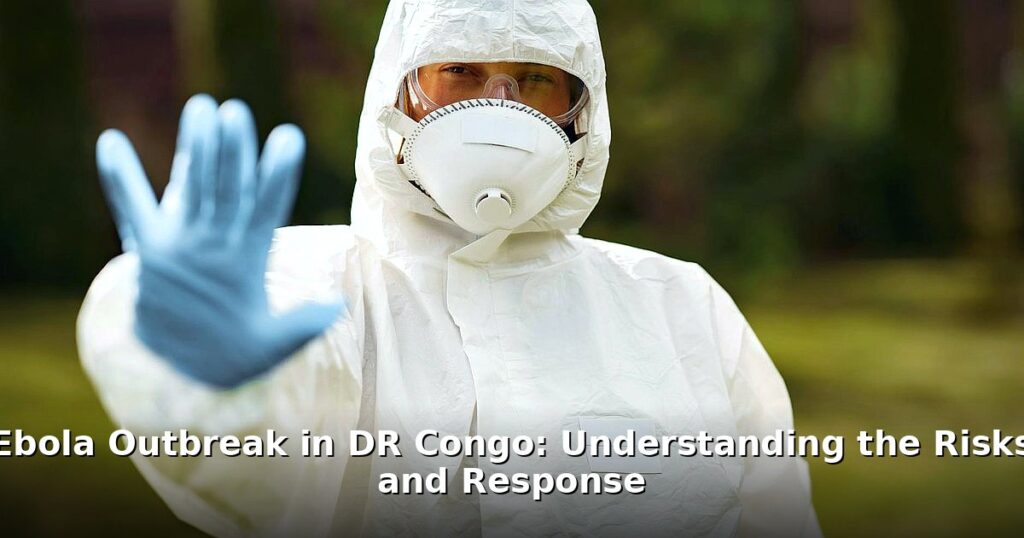

The numbers keep climbing, a grim tally in a region already burdened by so much. The Ebola outbreak DR Congo is, to put it bluntly, a tragedy unfolding in real-time. Over 130 lives lost, families shattered, and communities gripped by fear. It’s a stark reminder of the virus’s devastating power and the challenges in containing it, even with the knowledge and resources we theoretically have.
Table of Contents
Ebola Outbreak in DR Congo: A Growing Crisis
The current Ebola outbreak is primarily affecting the eastern provinces of DR Congo, a region already struggling with conflict, displacement, and limited access to healthcare. North Kivu and Ituri are among the hardest-hit areas, making the response even more complex. Think about trying to implement public health measures in areas where security is a daily concern. It’s a nightmare scenario.
Official reports indicate a death toll exceeding 130, with hundreds of confirmed cases. These figures are likely underestimates, as tracking and confirming cases in remote and unstable regions is incredibly difficult. Every single case represents a person, a family, and a community in mourning. It’s easy to get lost in the statistics, but we can’t forget the human cost. Check out our guide on Ebola Exposure? Americans Possibly Exposed in Congo Outbreak. We covered this in Ebola Outbreak in Congo: 65 Deaths and Rising Concerns.
Comparing this outbreak to previous ones, it’s clear that while the overall mortality rate might be similar, the context is different. The 2014-2016 West Africa outbreak was on a much larger scale, but this outbreak is occurring in a region with ongoing conflict and significant logistical challenges. The lessons learned from previous outbreaks are vital, but applying them effectively in the DR Congo requires a tailored approach. We have to adapt.
Understanding the Ebola Virus: Symptoms and Transmission
Ebola virus symptoms can be terrifyingly swift and severe. It often starts with a sudden onset of fever, fatigue, muscle pain, and headache. These early symptoms can be easily mistaken for other illnesses, which is part of the problem. But as the disease progresses, it can lead to more serious complications like vomiting, diarrhea, internal and external bleeding, and organ failure. It’s brutal.
The Ebola virus spreads through direct contact with the blood or bodily fluids of a person who’s sick with or has died from Ebola. This includes things like urine, saliva, sweat, feces, vomit, and even breast milk and semen. It’s also possible to contract the virus through contact with contaminated objects, such as needles or surfaces that have been exposed to these fluids. Healthcare workers are particularly at risk, and that’s why strict protocols are essential.
The incubation period for Ebola (the time from infection to the start of symptoms) can range from 2 to 21 days. And a person infected with Ebola is contagious as long as the virus is present in their blood and bodily fluids. Which means the window for potential spread is considerable.
What are the Ebola risk factors? Well, being in close contact with someone who’s infected is the biggest one. Working as a healthcare provider in an affected area is another. And participating in traditional burial practices that involve direct contact with the deceased can also increase the risk of transmission. It all comes down to contact.
Ebola Spread and Containment: A Race Against Time
Containing the spread of Ebola is a race against time, requiring a multi-faceted approach. Early detection, rapid response, and community engagement are all crucial components. If any of those pieces are missing, the whole effort can fall apart.
This means healthcare workers need to be able to identify suspected cases quickly and isolate them to prevent further transmission. Contact tracing is essential to identify anyone who may have been exposed and monitor them for symptoms. And community education is vital to dispel myths and misconceptions about the disease and promote safe practices. The communities have to be part of the solution.
Preventing the Spread of Ebola: Public Health Measures
Preventing the spread of Ebola relies heavily on basic but critical public health measures. Hygiene and sanitation practices are fundamental. Frequent handwashing with soap and water or using an alcohol-based hand sanitizer can significantly reduce the risk of transmission. Seems simple, right? But access to clean water and sanitation can be a major challenge in many of the affected areas.
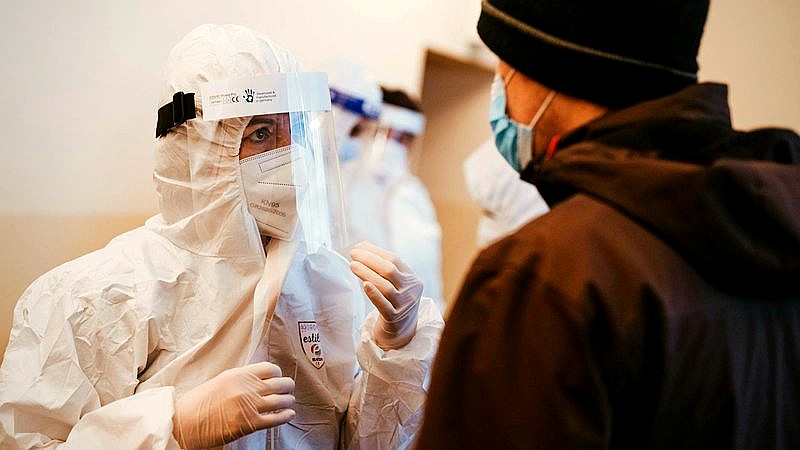
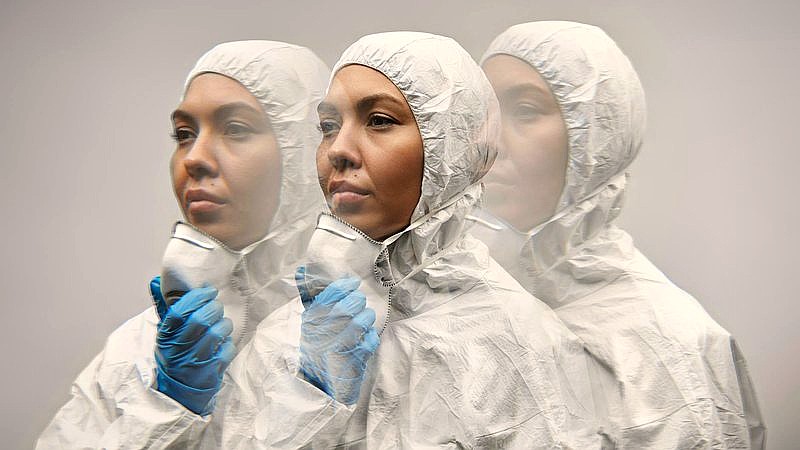
The role of personal protective equipment (PPE) for healthcare workers can’t be overstated. Gowns, gloves, masks, and eye protection are essential to prevent contact with infectious materials. Proper training on how to use and dispose of PPE is also crucial. A lapse in protocol can have devastating consequences.
Contact tracing and quarantine procedures are also essential tools for containing the outbreak. When a new case is identified, health officials must trace all contacts of the infected person to identify anyone else who may have been exposed. Those contacts are then monitored for symptoms and, if necessary, quarantined to prevent further spread. It’s painstaking work, but it’s necessary.
And what about vaccination efforts? There’s some good news there. The Ebola vaccine has proven to be highly effective in protecting against the virus. Vaccination campaigns are being conducted in the affected areas to protect healthcare workers and other high-risk individuals. But vaccine availability and distribution can be a challenge, especially in remote and conflict-affected regions.
Ebola Treatment Options and Management: Current Approaches
While there’s no “cure” for Ebola, supportive care can significantly improve survival rates. Supportive care includes things like rehydration therapy, managing symptoms, and treating secondary infections. Basically, keeping the patient as stable as possible while their body fights off the virus. It’s not a perfect solution, but it can make a difference.
Experimental treatments and therapies are also being investigated, and some have shown promise. Monoclonal antibodies, for example, have been used to treat Ebola patients and have been shown to reduce mortality in some cases. But access to these treatments is often limited, and further research is needed to determine their effectiveness.
One of the biggest challenges in providing adequate healthcare in the affected areas is the lack of resources. Hospitals and clinics are often understaffed and underequipped. Access to clean water, electricity, and basic medical supplies can be limited. And the ongoing conflict and insecurity make it difficult to deliver aid to those who need it most. It’s a perfect storm of challenges.
The Role of International Aid Organizations
Fair warning: International aid organizations play a critical role in responding to the Ebola outbreak. Organizations like Doctors Without Borders (Médecins Sans Frontières) and the International Red Cross are on the ground, providing medical care, training healthcare workers, and supporting community education efforts. These organizations often operate in extremely challenging environments, putting their own staff at risk to help those in need. they’re true heroes.
Global Response to the Ebola Outbreak DR Congo
The global response to the Ebola outbreak involves a coordinated effort by international organizations, governments, and non-governmental organizations. Turns out, the World Health Organization (WHO) is leading the international response, providing technical guidance, coordinating resources, and monitoring the spread of the virus. You can find up-to-date information and guidance on their website: WHO Ebola Information.
Financial and logistical support is being provided by various countries and international organizations. This includes funding for treatment centers, vaccines, and training programs. Logistical support is also crucial for transporting supplies and personnel to the affected areas. It takes a village – a global village – to fight a disease like this.
The truth is, Travel advisories and screening measures at airports are also being implemented to prevent the spread of Ebola to other countries. Travelers from affected areas may be subject to screening for symptoms and contact tracing. These measures are designed to protect the global community from the virus. And they’re definitely a good idea.
Look, What about long-term strategies? Preventing future outbreaks requires strengthening healthcare systems, improving sanitation, and addressing the underlying social and economic factors that contribute to the spread of disease. Investing in public health infrastructure and community education is essential. It’s not just about responding to outbreaks; it’s about preventing them in the first place. We need to break the cycle.
Frequently Asked Questions
What are the first symptoms of Ebola?
Early symptoms of Ebola can include fever, fatigue, muscle pain, headache, and sore throat. it’s crucial to seek medical attention immediately if you experience these symptoms and suspect exposure.
How is Ebola transmitted?
Ebola is transmitted through direct contact with blood or bodily fluids (like urine, saliva, sweat, feces, vomit, breast milk, and semen) of a person who’s sick with or has died from Ebola. It can also spread through contact with objects contaminated with the virus.
Is there a cure for Ebola?
Currently, there’s no cure for Ebola, but supportive care, including rehydration and managing symptoms, can improve survival rates. Experimental treatments and vaccines are being developed and used in outbreaks.
How can I protect myself from Ebola?
Protect yourself by avoiding contact with the blood and bodily fluids of people who are sick. Practice frequent handwashing with soap and water or use an alcohol-based hand sanitizer. Avoid contact with wild animals and bushmeat in affected areas.
The situation in the DR Congo remains critical. The Ebola outbreak DR Congo is a stark reminder of the interconnectedness of global health. What happens in one part of the world can have implications for all of us. Staying informed, supporting aid organizations, and advocating for stronger public health systems are all ways we can contribute to the fight against Ebola and other infectious diseases. It’s a fight we have to wage together.