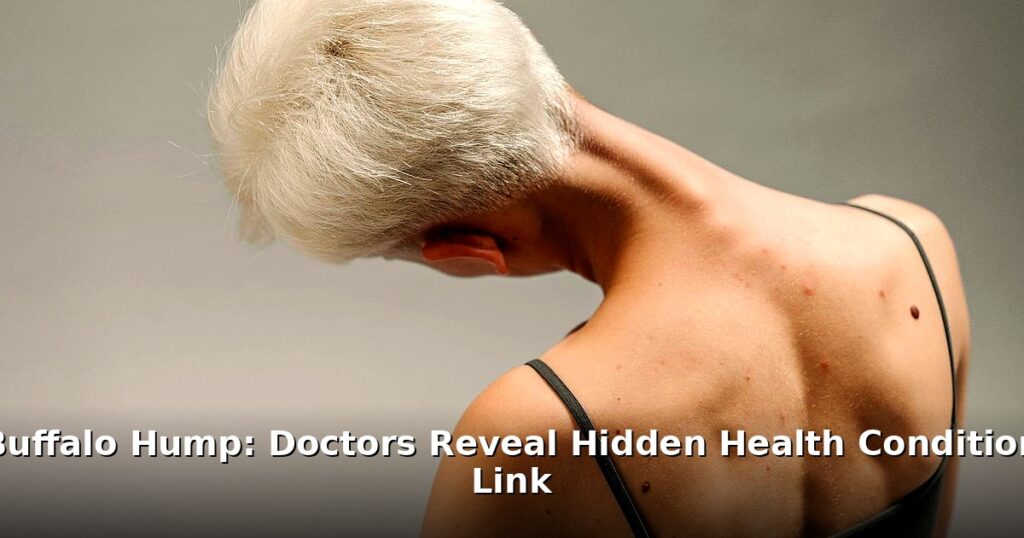

Ever noticed a prominent bump at the base of someone’s neck and upper back? It’s often referred to as a buffalo hump, or more formally, a dorsocervical fat pad. While many people might dismiss it as just weight gain or bad posture, it can sometimes be a signal that something else is going on inside the body. Doctors are increasingly recognizing investigating the potential underlying health conditions that could be contributing to its development.
Table of Contents
what’s a Buffalo Hump, Exactly?
A buffalo hump is characterized by an excessive accumulation of fat specifically at the base of the neck and upper back. Think of it as a localized deposit of fat that creates a noticeable hump. It’s more than just a cosmetic concern. Honestly, it can be indicative of deeper health issues that warrant attention.
Now, it’s easy to confuse it with just plain old weight gain or slouching. Many people assume that if they’ve put on a few pounds, the bump is simply a result of that. Or that poor posture is to blame. And sometimes, that’s true. But, the dorsocervical fat pad can be caused by a variety of underlying medical issues. It’s important to rule those out. Check out our guide on Measles Outbreaks: Is the US Really a Leader?. We covered this in Bread and Weight Gain: Why It Happens (According to Science).
The Buffalo Hump and Cushing’s Syndrome Connection
One of the most significant connections to a buffalo hump is Cushing’s syndrome. what’s it? Cushing’s syndrome is a hormonal disorder that occurs when your body is exposed to high levels of the hormone cortisol for an extended period. This can happen because your body is producing too much cortisol, or because you’re taking medications, like prednisone, that mimic the effects of cortisol. The National Institute of Health has more information on Cushing’s syndrome.
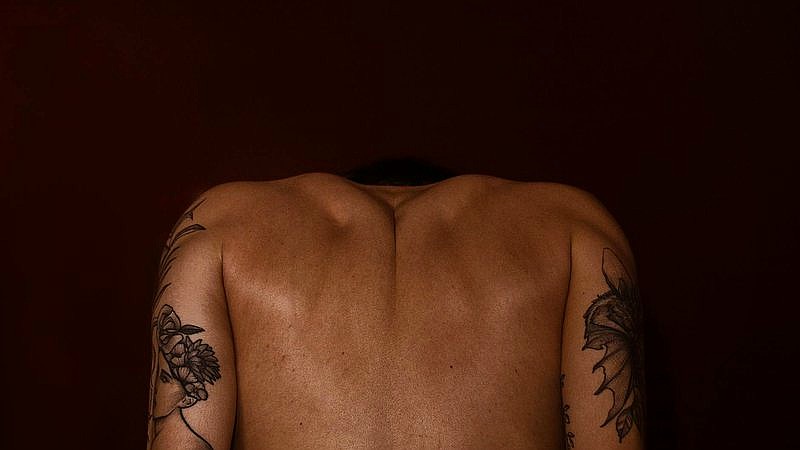
But how does Cushing’s lead to a buffalo hump? Well, cortisol is a powerful hormone that affects many different systems in the body. It plays a key role in how your body uses carbohydrates, fats, and proteins. In Cushing’s syndrome, the excess cortisol promotes fat redistribution. It causes fat to be deposited in certain areas – like the face (moon face), between the shoulders (buffalo hump), and around the abdomen – while other areas may remain relatively unchanged. Seriously.
And the buffalo hump isn’t the only sign of Cushing’s. Other symptoms can include:
- Weight gain, particularly in the face and abdomen
- Skin changes, such as thin skin, easy bruising, and reddish-purple stretch marks
- Muscle weakness
- High blood pressure
- Diabetes
- Increased thirst and urination
Dorsocervical Fat Pad: Other Potential Causes
Cushing’s syndrome isn’t the only culprit. A buffalo hump can develop for other reasons. Some of them are:
- Medications: Long-term use of steroid medications (like prednisone) can mimic the effects of Cushing’s syndrome, leading to fat redistribution and a buffalo hump.
- Obesity: While not always the direct cause, significant weight gain can contribute to the development of a dorsocervical fat pad.
- Lipodystrophy: This is a rare disorder that affects how the body stores and uses fat. Some forms of lipodystrophy can cause fat to accumulate in certain areas, like the upper back and neck, while other areas lose fat. It’s often associated with HIV.
- Osteoporosis: Compression fractures in the spine, often due to osteoporosis, can cause postural changes that mimic the appearance of a buffalo hump. The upper back curves forward, creating a hump-like appearance.
Why a Buffalo Hump Matters: Health Risks and Complications
So, why should you care about a buffalo hump? It’s not just about aesthetics, it can be a red flag for some serious health issues. The presence of excess fat in this area, particularly when linked to high cortisol levels, can significantly impact your overall well-being.
One major concern is the increased risk of cardiovascular disease. High cortisol levels and abnormal fat distribution can contribute to:
- High blood pressure
- Elevated cholesterol levels
- Increased risk of blood clots
All of which can increase your risk of heart attack and stroke. Not good.
I’ll be honest — Another risk is bone density loss. Cortisol can interfere with bone formation and increase bone breakdown, leading to osteoporosis. This means your bones become weaker and more prone to fractures. And as we age, that risk only increases.
Metabolic issues can also arise. High cortisol levels can lead to insulin resistance, which means your body doesn’t respond properly to insulin. This can lead to type 2 diabetes.
You might not expect this, but Let’s not forget the psychological impact. Body image concerns and the stress of dealing with a visible physical change can take a toll on mental health. People with a prominent buffalo hump may feel self-conscious, embarrassed, or anxious about their appearance. And that can affect their self-esteem and quality of life.
Diagnosis and Treatment: What to Do About a Buffalo Hump
If you’ve noticed a buffalo hump developing, the first thing you should do is consult a doctor. They can help determine the underlying cause and recommend the appropriate treatment plan. Especially if you’re experiencing other symptoms like muscle weakness, skin changes, or easy bruising.
To diagnose the cause, your doctor may order a variety of tests, including:
- Blood tests: To measure cortisol levels and check for other hormonal imbalances.
- Urine tests: To assess cortisol excretion over a 24-hour period.
- Imaging (MRI or CT scan): To visualize the pituitary and adrenal glands and rule out any tumors.
Treatment options will depend on the underlying cause. If it’s due to medication, your doctor may adjust your dosage or switch you to an alternative medication. If it’s due to a tumor, surgery may be necessary. If it’s Cushing’s disease, there are medications that can block cortisol production.
Regardless of the cause, lifestyle changes can play a significant role in managing symptoms and improving overall health. Diet, exercise, and stress management are all important. A healthy diet can help manage weight and blood sugar levels. Regular exercise can help improve muscle strength, bone density, and cardiovascular health. Stress management techniques, such as yoga, meditation, or deep breathing exercises, can help lower cortisol levels. I’ve personally found that even 20 minutes of daily walking makes a huge difference in my stress levels. Big difference.
When to Seek Medical Attention for a Buffalo Hump
Not every bump is an emergency, but certain situations warrant prompt medical attention. If you notice any of the following, see a doctor right away:
- Rapid growth: A quickly developing lump is a red flag.
- Accompanying symptoms: Muscle weakness, skin changes, easy bruising, or any other unusual symptoms should be checked out.
- History of steroid use: If you’re taking steroid medications and notice changes, talk to your doctor.
- Family history: A family history of Cushing’s or related conditions increases your risk.
Don’t delay seeking medical advice. Early diagnosis and treatment can help prevent serious complications. Remember, a buffalo hump can be a sign of an underlying health issue, and addressing it promptly is crucial for your well-being.
Frequently Asked Questions
Is a buffalo hump dangerous?
A buffalo hump itself isn’t directly dangerous. But it can signal underlying health issues like Cushing’s syndrome or steroid-induced fat redistribution. It’s crucial to see a doctor to determine the cause.
Can I get rid of a buffalo hump with exercise?
Exercise can help reduce overall body fat and improve posture, which might slightly reduce the appearance of a buffalo hump. Then again, if it’s caused by an underlying condition, exercise alone won’t eliminate it.
what’s the main cause of a buffalo hump?
The most common cause is Cushing’s syndrome, a hormonal disorder involving excess cortisol production. Other causes include steroid medications, obesity, and, rarely, certain genetic conditions.
How is Cushing’s syndrome diagnosed?
Diagnosis typically involves a combination of blood tests, urine tests, and imaging scans (like MRI or CT) to measure cortisol levels and identify any potential tumors on the pituitary or adrenal glands.
What does a buffalo hump feel like?
It generally feels like a firm, fatty mass located at the base of the neck and upper back. So yeah, it might feel tender to the touch, but it’s usually not painful unless there’s an underlying musculoskeletal issue.
Don’t ignore changes in your body. A buffalo hump is more than just a cosmetic issue; it’s a potential window into your overall health. Listen to your body, be proactive about your well-being, and consult with your doctor if you have any concerns. Your health is worth it.