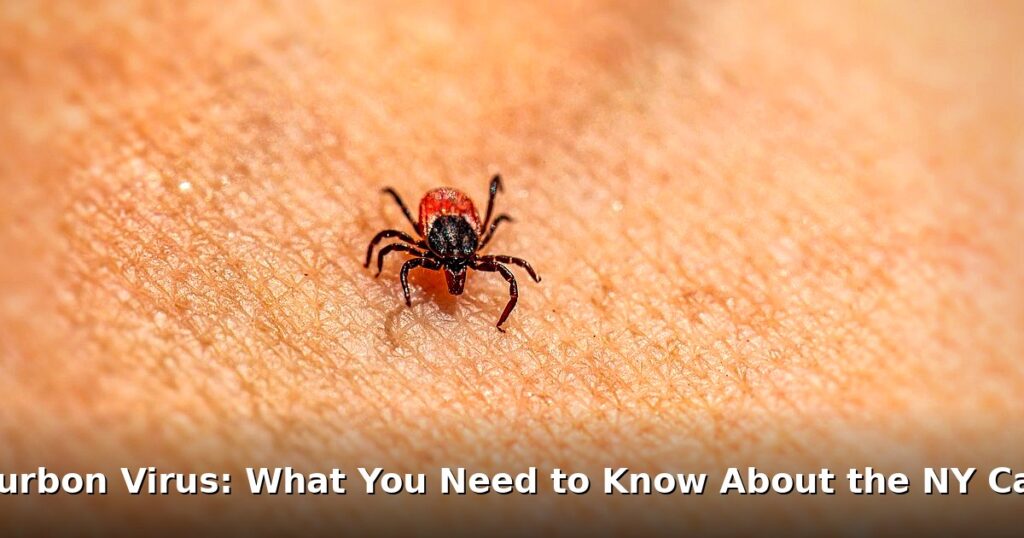

Okay, friends, let’s talk about something that’s been buzzing in the health news lately, and it’s definitely something we should all be aware of, especially those of us who love spending time outdoors. We’re talking about the Bourbon virus. Sounds like something out of a spy novel, right? But it’s very real, and it’s recently made headlines with a confirmed case right here in New York.
Table of Contents
I know, another virus. It feels like we’re constantly hearing about new health concerns. But this one, while rare, carries a punch, and understanding it’s our best defense. So, let’s dig into what the Bourbon virus is, why it’s popping up in unexpected places, and what we can do to protect ourselves and our families.
Understanding Bourbon Virus: A Recent Discovery
The Bourbon virus isn’t exactly ancient history. It was first identified in 2014, in a patient from Bourbon County, Kansas. See? That’s where it gets its rather distinctive name. The discovery was tragic, as the patient, a seemingly healthy man, unfortunately, passed away from the infection. This immediate severity brought it to the forefront of medical attention. Check out our guide on Cyclosporiasis Cases Rise in Hawaii: What You Need to Know. We covered this in Pico-Union Flea-Borne Typhus Outbreak: What You Need to Know.
Scientifically speaking, it’s classified as a thogotovirus, which is a type of RNA virus. Now, without getting too bogged down in the virology (because honestly, my eyes glaze over sometimes too), just know that RNA viruses are a diverse bunch and include things like influenza and measles. The thogotovirus family itself isn’t huge, but they’re known to be carried by ticks and mosquitoes.
Since that initial case, a handful of others have been confirmed across various states, including Missouri, Oklahoma, and now, New York. It’s still considered a relatively rare illness. We’re not talking about widespread outbreaks here. But each new case is meticulously investigated by public health officials because it helps them understand the virus’s geographic spread and potential risk factors. It’s a puzzle they’re still piecing together, and every new piece of information is crucial.
What’s particularly concerning about these rare viruses is that they often present with general flu-like symptoms, making them tricky to diagnose. It’s not like your doctor immediately thinks “Bourbon virus” when you walk in with a fever. That’s why awareness, especially in areas where ticks are prevalent, becomes so important.
The Confirmed Bourbon Virus Case in New York
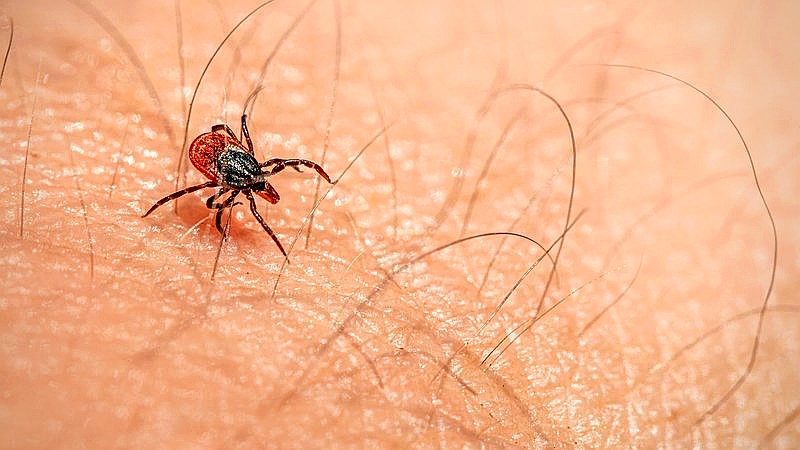
The recent news about a confirmed Bourbon virus case in New York is what really sparked my interest and prompted me to dig into the research. Details shared by the New York State Department of Health revealed that an individual in Suffolk County, Long Island, tested positive for the virus. This patient had symptoms consistent with the infection and a history of tick exposure. And Long Island, as many of you know, is definitely prime tick territory.
This case was a big deal because it marks the first confirmed human case of Bourbon virus in New York State. The identification process is pretty intense. When someone presents with severe, unexplained symptoms, especially after potential tick exposure, doctors might start looking at less common infections. Samples are sent to specialized laboratories, like those at the Centers for Disease Control and Prevention (CDC) or state public health labs, for specific viral testing.
For the New York case, the patient’s samples were analyzed, and through advanced diagnostic techniques, the presence of the Bourbon virus was confirmed. This isn’t a quick test you get at your local urgent care. It requires specific molecular assays to detect the viral RNA or antibodies produced in response to the infection.
In response, public health officials in New York immediately initiated monitoring and investigation efforts. This includes trying to pinpoint where the exposure likely occurred, assessing local tick populations, and raising awareness among healthcare providers and the public. It’s all about understanding the local risk and trying to prevent future cases. They also want to identify if there are specific tick species in Suffolk County that are carrying the virus, which is a vital piece of the epidemiological puzzle. A lot to unpack there.
Bourbon Virus Symptoms to Watch For and How it Spreads
Now, let’s get down to the nitty-gritty: what does Bourbon virus actually feel like, and how do you get it? The symptoms can be pretty non-specific, which, as I mentioned, makes early diagnosis a challenge. Many of them mimic other common viral illnesses, like the flu or even other tick-borne diseases.
The most common Bourbon virus symptoms include:
- Fever
- Fatigue (and not just “I’m a little tired,” but debilitating fatigue)
- Rash (though not always present)
- Headache
- Body aches and muscle pain
- Nausea and vomiting
But here’s where it gets more serious. In some cases, patients develop more severe complications. These can include a low white blood cell count, a condition known as leukopenia, and a low platelet count, or thrombocytopenia. Both of these indicate that your body’s immune system is under significant stress and can lead to other serious health issues, like increased risk of bleeding or infection.
The primary way the Bourbon virus is believed to spread is through the bite of an infected tick. Specifically, the Lone Star tick (Amblyomma americanum) is suspected to be the main culprit. This tick is pretty distinctive, with the females having a white spot on their backs. They’re also known for being quite aggressive biters. And guess what? The Lone Star tick is increasingly common in areas of New York, including Long Island. Not great.
The truth is, A crucial piece of information, and thankfully a reassuring one, is that there’s currently no evidence that Bourbon virus spreads from person to person. So, you can’t catch it from someone who’s infected through casual contact, coughing, or sneezing. It’s not like the flu in that respect. This makes prevention focused squarely on avoiding tick bites.
Diagnosis, Treatment, and Why Prevention is Key
So, you’ve been in a tick-prone area and you start feeling rough. What do you do? If your doctor suspects a tick-borne illness, they might order specific lab tests. For Bourbon virus, diagnosis involves looking for the virus itself in your blood or for antibodies your body produces in response to the infection. These tests are specialized and aren’t typically run as part of a routine check-up, so your doctor really needs to have a reason to suspect it.
This brings us to the less-than-ideal news about Bourbon virus treatment. Unfortunately, there’s no specific antiviral medication that targets Bourbon virus directly. This is pretty common for many viral infections, actually. Instead, treatment focuses on supportive care. This means managing symptoms – things like pain relief for aches and headaches, anti-nausea medication, and making sure you stay hydrated. In severe cases, patients might need hospitalization for closer monitoring and more intensive supportive measures, like IV fluids or blood transfusions if platelet counts are dangerously low. It’s all about helping your body fight off the infection as best it can.
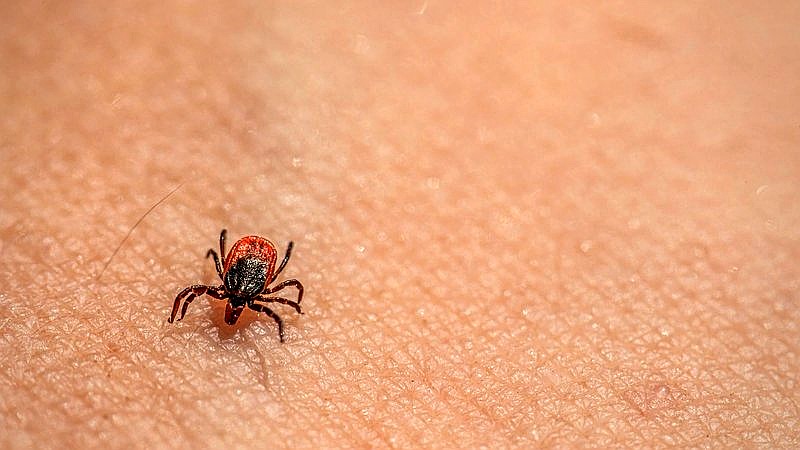
What surprised me was that Given the lack of a specific cure, you can see why prevention is absolutely, 100% paramount. And it all boils down to avoiding tick bites, especially when you’re out and about in areas where tick-borne illnesses New York are a concern.
Here are the preventative measures I always harp on, and for good reason:
- Tick Checks: This is non-negotiable. After being outdoors, especially in wooded or grassy areas, do a thorough head-to-toe tick check. Pay attention to hidden spots: armpits, groin, behind the ears, in your hair, and behind the knees. Get a mirror, or better yet, have a partner help you.
- Insect Repellent: Use EPA-registered insect repellents containing DEET, picaridin, IR3535, oil of lemon eucalyptus, para-menthane-diol, or 2-undecanone. Always follow the product instructions for safe use. I usually go for something with at least 20% DEET if I know I’m going into serious tick territory.
- Treat Clothing with Permethrin: You can buy clothing pre-treated with permethrin, or you can treat your own outdoor gear, boots, and clothing. Permethrin kills ticks on contact and lasts through several washes. Just don’t apply it directly to your skin! It’s for clothing and gear only.
I’ll be honest — And here’s a personal habit I swear by: after any significant outdoor time, even just walking the dog through the park, I immediately hop in the shower. A quick scrub can wash off any unattached ticks. Then, all the clothes I was wearing go straight into the dryer on high heat for at least 10 minutes. The high heat effectively kills any ticks that might be clinging to the fabric. Big difference. It’s a simple routine, but it adds an extra layer of protection that gives me peace of mind.
Protecting Yourself and Your Loved Ones from Tick-Borne Illnesses
I’ll be honest — Beyond the immediate steps, thinking strategically about your outdoor activities can make a huge difference in preventing tick encounters. Ticks love tall grass, leaf litter, and wooded areas. They don’t typically drop from trees, but rather climb up from the ground, waiting to latch onto a passing host. So, try to stick to marked trails when hiking and avoid wading through dense vegetation.
When you’re venturing into tick habitats, consider your attire. Wearing long sleeves and long pants can create a physical barrier. Light-colored clothing also helps, as it makes it easier to spot ticks before they have a chance to bite. Tuck your pants into your socks or boots – it might not be the height of fashion, but it’s effective.
Don’t forget about your furry family members! Pets can bring ticks into your home, which can then transfer to humans. Talk to your vet about year-round tick prevention products for your pets. And yes, you should absolutely check your pets for ticks after they’ve been outside, just like you check yourself.
Finally, know when to seek medical attention. If you’ve been in a tick-prone area and start experiencing unusual symptoms – fever, a rash, severe fatigue, body aches, or anything that just feels “off” – don’t delay. Contact your doctor and make sure to mention your recent outdoor activities and potential tick exposure. Even if it’s not Bourbon virus, there are other tick-borne illnesses that require prompt diagnosis and treatment, like Lyme disease or Anaplasmosis, which are also prevalent in New York and other regions. Early intervention can make a significant difference in the outcome of these infections.
What surprised me was that Staying informed and being proactive are our best tools against these silent threats. Enjoy the outdoors, but do it safely!
Frequently Asked Questions
Q: Is Bourbon virus contagious between people?
A: No, current research indicates Bourbon virus isn’t spread from person to person. it’s primarily transmitted through the bite of an infected tick, specifically thought to be the Lone Star tick.
Q: How rare is Bourbon virus?
A: Bourbon virus is considered quite rare. Since its discovery in 2014, only a limited number of cases have been identified across several states, making each new confirmed case significant for public health monitoring. You can learn more about its rarity and reported cases from the Centers for Disease Control and Prevention (CDC).
Q: What should I do if I think I’ve Bourbon virus symptoms?
A: If you experience symptoms like fever, fatigue, rash, or body aches, especially after being in a tick-prone area, contact your doctor promptly. They can evaluate your symptoms and recommend appropriate testing or care. Always be upfront about any recent outdoor exposure.
Q: Are there any specific treatments for Bourbon virus?
A: Currently, there’s no specific antiviral medication for Bourbon virus. Treatment focuses on supportive care to manage symptoms as the body fights off the infection, which often involves pain relief and hydration. For more information on tick bite prevention and what to do after a bite, check out resources from reputable organizations like the New York State Department of Health.