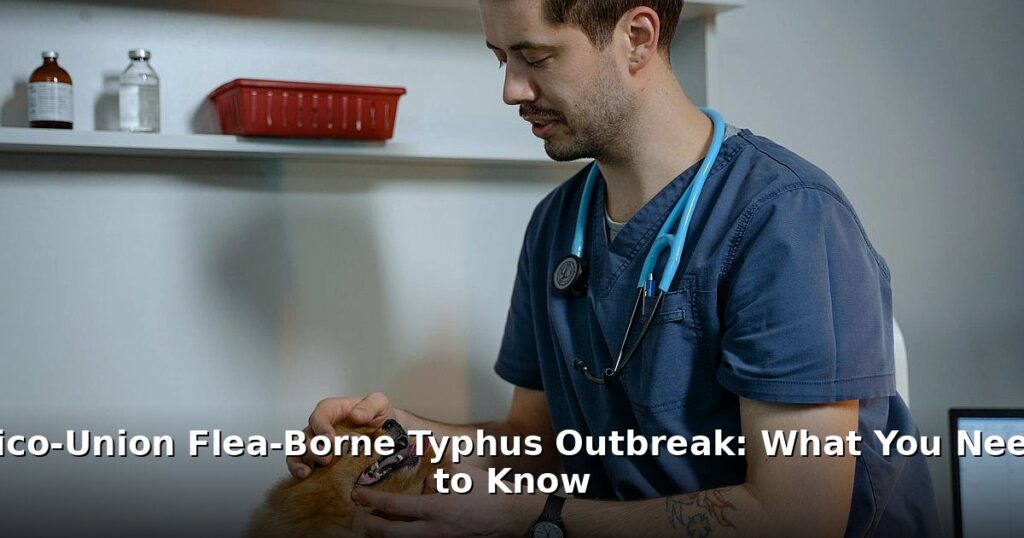

L.A. County health officials recently sounded an alarm, and it’s one we should all pay attention to, especially if you live in or around the Pico-Union area. There’s been a noticeable uptick in cases of flea-borne typhus outbreak, leading to a public health warning. It’s not the kind of news anyone wants to hear, but understanding what’s going on is our first line of defense.
Table of Contents
For those unfamiliar, flea-borne typhus is a bacterial infection. Specifically, it’s caused by a type of bacteria called Rickettsia typhi. It spreads to humans not directly from animals, but through infected fleas that have hitched a ride on those animals – think rats, opossums, or even our beloved outdoor cats. When an infected flea bites, it often defecates at the same time. If that flea dirt gets scratched into the bite wound, or any other break in the skin, the bacteria can enter your bloodstream. It’s a bit of a sneaky process, really.
Here’s what most people miss: This particular outbreak in Pico-Union is concerning because it highlights an ongoing risk that many Angelenos might not even be aware of. We often think of these kinds of diseases as something from history books or far-off lands, but they’re very much present in our urban environment. The fact that health officials are specifically calling out a cluster of cases means it’s time for heightened awareness and some proactive measures. Not great, but manageable with the right information. A lot to unpack there. Check out our guide on Understanding Sudden Death in Children: A Look at Rare Diseases. We covered this in Legionnaires’ Disease in NYC: Understanding the Risks & Prevention.
Recognizing the Symptoms of Flea-Borne Typhus
One of the trickiest things about flea-borne typhus is that its initial symptoms can mimic a lot of other common illnesses, like the flu. This can lead to delays in diagnosis, which, as we’ll discuss, isn’t ideal. But knowing what to look for can make a big difference.
The most common symptoms include:
- Fever (often high)
- Headache (can be severe)
- Body aches and muscle pain
- A rash that typically appears several days after the fever starts. This rash usually begins on the trunk of the body and then spreads to the arms and legs, but it generally spares the palms of the hands and soles of the feet.
Less common, but still possible, symptoms can include chills, nausea, and vomiting. Sometimes, people just feel generally unwell and can’t quite pinpoint why. If you’ve been feeling under the weather with these types of symptoms, especially if you’re in an area experiencing a flea-borne typhus outbreak or have had potential exposure, it’s really important to consider typhus as a possibility.
Early recognition is absolutely crucial for effective treatment. The sooner you get diagnosed and start antibiotics, the better your outcome is likely to be. If left untreated, typhus can lead to more severe complications affecting the brain, lungs, heart, and kidneys. So, when should you seek medical attention? Anytime you suspect you might have symptoms, especially if you live in or have recently visited a known risk area like Pico-Union. Don’t wait it out. A quick trip to the doctor could save you a lot of trouble down the line.
Sources and Transmission: How Flea-Borne Typhus Spreads
Understanding how typhus gets around is key to stopping its spread. It’s not as simple as one animal giving it to another, or one person giving it to another. It’s a bit more of a cycle.
The primary culprits in this whole scenario are fleas. Specifically, fleas that carry the Rickettsia typhi bacteria. These fleas don’t just appear out of nowhere; they often come from reservoir animals. In urban environments like Los Angeles, these usually include:
- Rats (a big one)
- Opossums
- Stray cats or even our own outdoor cats that come into contact with infected fleas
Here’s the thing — Here’s the breakdown: an infected flea bites one of these animals, picking up the bacteria. Then, that flea jumps onto a human. When the flea bites you, it might also leave behind infected feces. If you scratch the bite, or if you have any small cut or abrasion on your skin, those bacteria can get rubbed into the wound and enter your bloodstream. And that’s how the infection starts. It’s not the bite itself that transmits the bacteria directly, but the subsequent contamination with flea dirt.
It’s important to remember that these animals typically don’t get sick from typhus themselves; they just carry the infected fleas. They act as hosts, keeping the cycle going. This is why controlling the flea population on and around these animals, both wild and domestic, is so important for preventing typhus in Los Angeles.
And let’s clear up a common misconception right here: flea-borne typhus isn’t transmitted directly from human to human. You can’t catch it from someone coughing or sneezing, or even by direct contact. This really helps narrow down our prevention strategies.
Practical Steps for Preventing Flea-Borne Typhus
Good news! There’s a lot you can do to protect yourself and your family from typhus. Prevention is always better than treatment, right? And it really boils down to good flea control and managing your environment.
Pet Protection: Your First Line of Defense
If you have pets, especially cats and dogs that spend time outdoors, year-round flea control is non-negotiable. Talk to your veterinarian about the best flea prevention products for your specific pet. There are so many effective options available today, from topical treatments to oral medications. Consistent use is key. Don’t just treat them when you see fleas; prevent them from ever getting a foothold. My own cats are strictly indoor, but even then, I’m diligent with their flea control just in case a sneaky one hitches a ride in on my clothes.
Home Environment: Keep It Clean and Tidy
Look, Fleas love to hide in clutter, carpets, and pet bedding. So, regular home maintenance can go a long way: Pretty wild, right?
- Declutter: Reduce hiding spots for fleas. The less stuff lying around, the fewer places they have to set up shop.
- Vacuum regularly: Pay extra attention to carpets, rugs, and especially areas where your pets sleep or hang out. Empty the vacuum bag or canister immediately after vacuuming and seal it in a plastic bag before disposing of it outside. Those flea eggs and larvae can hatch right inside your vacuum!
- Wash pet bedding: Do this frequently, in hot water, to kill any fleas or eggs.
Yard Maintenance: Keeping Unwanted Guests Away
Your yard can be a breeding ground or a pathway for fleas and the animals that carry them. Focus on making your outdoor space less appealing:
- Secure trash cans: This is a big one. Open trash cans are an open invitation for rats and opossums, which are prime carriers of infected fleas. Use cans with tight-fitting lids.
- Clear brush and debris: These areas provide shelter for rodents and other wildlife. Keep your yard tidy and remove potential hiding spots.
- Don’t leave pet food out: This can also attract hungry wildlife.
- Trim trees and shrubs: Especially those that might provide easy access to your roof or attic for rodents.
Personal Habits: Small Changes, Big Impact
Finally, some personal habits can reduce your risk:
- Avoid contact with wild animals: This might seem obvious, but it’s worth stating. Don’t feed them, don’t try to pet them. Keep your distance.
- Wear protective clothing: If you’re going to be in overgrown areas, dense brush, or places where rodents might frequent, wear long sleeves and pants. This creates a physical barrier against flea bites.
- Use insect repellent: While typically thought of for mosquitoes, some repellents can also deter fleas. Look for products containing DEET or picaridin.
What to Do If You Suspect Flea-Borne Typhus
Despite all your best efforts, sometimes things happen. If you or someone you know develops Pico-Union typhus symptoms – especially if you’re in Los Angeles and there’s been potential exposure – don’t delay. Immediate medical consultation is absolutely key.
When you see your doctor, make sure to inform them about your potential exposure. Mention that there’s a flea-borne typhus outbreak in areas like Pico-Union, or if you’ve been around animals that might carry fleas. This information can help them consider typhus as a diagnosis more quickly.
The diagnostic process usually involves blood tests to confirm the infection. These tests look for antibodies to the Rickettsia typhi bacteria. It might take a few days for the results to come back, but your doctor might start treatment based on strong suspicion, especially if your symptoms align with typhus and there’s a known risk.
The good news is that flea-borne typhus typically responds very well to antibiotics. Doxycycline is the most common and effective antibiotic used for treatment, and it’s usually prescribed for a course of several days. When caught and treated early, most people recover without complications. But here’s the kicker: self-diagnosis and delayed treatment can lead to more severe illness. It can sometimes result in hospitalization and, in rare cases, even be fatal. So, please, don’t try to tough it out or self-medicate. See a doctor.
Frequently Asked Questions
Q: What exactly is flea-borne typhus?
A: Flea-borne typhus is a bacterial infection caused by Rickettsia typhi. It’s transmitted to humans through contact with infected flea feces, usually when scratched into the skin after a flea bite. it’s not transmitted directly from person to person.
Q: Are my pets at risk of getting typhus?
A: While pets can carry the infected fleas, they typically don’t show symptoms of typhus themselves. The primary concern is that they bring infected fleas into your home, increasing the risk for human exposure. Consistent flea prevention for your pets is crucial.
Q: How common is flea-borne typhus in Los Angeles?
A: Flea-borne typhus is endemic in certain parts of Los Angeles County. While not universally common, outbreaks or clusters of cases do occur periodically, prompting public health warnings, as seen in the Pico-Union area.
Q: Can typhus be cured, and what’s the treatment?
A: Yes, flea-borne typhus is generally curable with antibiotics, especially when diagnosed and treated early. Doxycycline is the most common and effective antibiotic used for treatment. Delayed treatment can lead to more severe illness and complications.