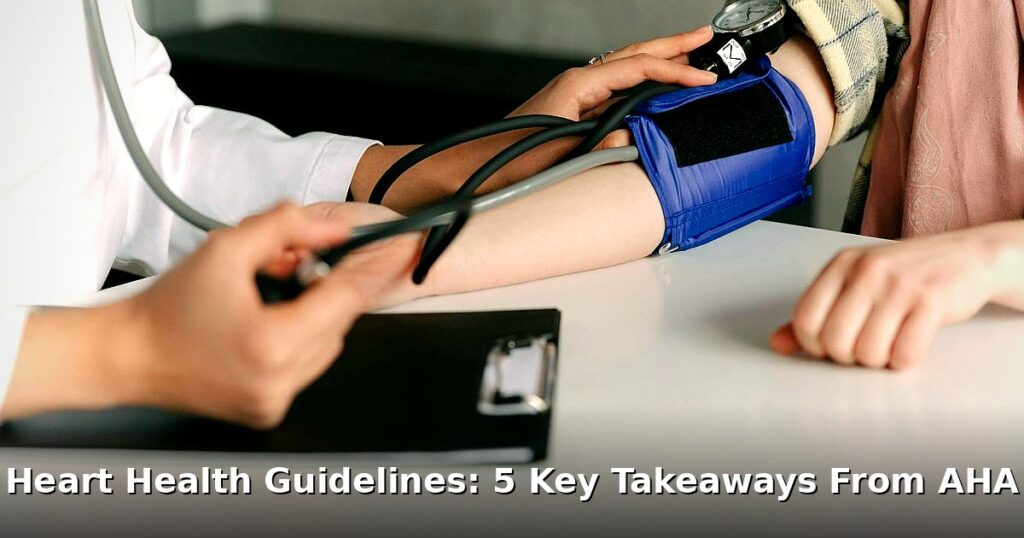

Think of your heart as the engine of a car. Treat it well, and it’ll take you far. Neglect it, and well… you know how that story ends. That’s why it’s so vital to stay up-to-date on the latest heart health guidelines, and the American Heart Association (AHA) just released some important updates. Let’s break down the key takeaways in plain English.
Table of Contents
- Understanding the Updated Heart Health Guidelines
- Takeaway 1: Prioritizing a Healthy Diet Early
- Takeaway 2: Regular Physical Activity Across the Lifespan
- Takeaway 3: The Dangers of Nicotine and Vaping
- Takeaway 4: Managing Weight for Optimal Heart Health
- Takeaway 5: Regular Monitoring and Management of Risk Factors
- Frequently Asked Questions
Understanding the Updated Heart Health Guidelines
The American Heart Association is kind of a big deal all things heart-related. They’re the folks who set the standards and provide the science-backed recommendations that doctors use to help keep our tickers in tip-top shape. The AHA has been around for nearly 100 years, funding research and educating the public. No small task!
Why update the guidelines, though? Science doesn’t stand still. New research emerges all the time, our understanding of cardiovascular health evolves, and the demographics of our population shift. What worked best 10 years ago might not be the best approach now. These updates ensure we’re using the most effective strategies to prevent heart disease and promote healthy heart lifestyle habits. Check out our guide on Dietary Restrictions and Etiquette: Dinner Party Drama!. We covered this in Parkinson’s Symptoms: New Study Highlights Differences in Men & Women.
Staying informed? Hugely important. Heart disease remains a leading cause of death worldwide, but many cases are preventable. Knowing the latest recommendations empowers you to make informed choices about your own health and the health of your family. It’s about taking control and being proactive.
Takeaway 1: Prioritizing a Healthy Diet Early
Here’s the truth: those chicken nuggets and fries you ate as a kid? Probably not doing your heart any favors now. The new guidelines really hammer home starting healthy eating habits young. We’re talking childhood and adolescence. Setting the stage for a lifetime of cardiovascular wellness. It’s about building a solid foundation.
What does a heart-healthy diet actually look like? Think colorful! Load up on fruits and vegetables. Choose whole grains over refined ones (brown rice instead of white, whole wheat bread instead of white bread). Opt for lean protein sources like fish, chicken, and beans. Incorporate healthy fats from avocados, nuts, seeds, and olive oil.

And what to limit? Processed foods, sugary drinks (soda, juice, even those fancy coffee drinks), and saturated and trans fats. These are the villains of the heart health world. Easier said than done, I know. I struggle with cutting back on sweets myself, but even small changes can make a difference.
Takeaway 2: Regular Physical Activity Across the Lifespan
Get moving! The AHA guidelines emphasize the need for regular physical activity at every stage of life. No excuses. Aim for at least 150 minutes of moderate-intensity aerobic activity or 75 minutes of vigorous-intensity aerobic activity per week. And don’t forget strength training exercises at least two days a week.
Why is exercise so crucial? Well, it strengthens your heart muscle, improves blood flow, lowers blood pressure, helps manage weight, and boosts your overall mood. That’s a whole lot of benefits packed into one activity. Plus, it’s fun! Find something you enjoy doing – dancing, swimming, biking, hiking – and make it a regular part of your routine.
Need some tips for incorporating more movement into your day? Take the stairs instead of the elevator. Walk during your lunch break. Park farther away from the store. Stand up and stretch every 30 minutes if you have a desk job. Even small bursts of activity can add up over time. I try to do a quick 10-minute walk after lunch every day. It helps clear my head and gets my blood flowing.
Takeaway 3: The Dangers of Nicotine and Vaping
Look, The AHA takes a very strong stance against all forms of nicotine use. Period. That includes cigarettes, chewing tobacco, and yes, vaping. There’s no wiggle room here. Nicotine is bad news for your heart.
It damages blood vessels, raises blood pressure, increases heart rate, and contributes to the development of blood clots. Vaping, often marketed as a “safer” alternative to smoking, is still harmful. The chemicals in e-cigarettes can damage your lungs and heart.
Need help quitting? There are resources available. Talk to your doctor about smoking cessation programs, nicotine patches, or other strategies that can help you kick the habit. The CDC website is a great place to start. Quitting is one of the best things you can do for your heart health.
Takeaway 4: Managing Weight for Optimal Heart Health
Maintaining a healthy weight is crucial for cardiovascular health. The AHA guidelines highlight the relationship between obesity and an increased risk of heart disease, stroke, type 2 diabetes, and other health problems. It’s all connected, you see.
But how to manage weight effectively? It’s not just about dieting. Honestly, it’s about making sustainable lifestyle changes. Focus on healthy eating, regular exercise, and stress management. Find an activity you enjoy, and it won’t feel like such a chore! I’ve found that meal prepping on the weekends helps me stay on track during the week.

Body Mass Index (BMI) is often used as a tool to assess weight, but it’s not a perfect measure. It doesn’t account for muscle mass or body composition. A high BMI doesn’t automatically mean you’re unhealthy, and a normal BMI doesn’t guarantee perfect health. It’s just one piece of the puzzle. Talk to your doctor about what a healthy weight looks like for you, personally.
Takeaway 5: Regular Monitoring and Management of Risk Factors
Don’t wait until you have symptoms to think about your heart health. Regular monitoring of key risk factors is essential. That means getting your blood pressure, cholesterol, and blood sugar levels checked regularly. Think of it as preventative maintenance for your heart.
And if you already have conditions like hypertension (high blood pressure), high cholesterol, or diabetes, it’s even more important to manage them effectively. Work closely with your healthcare provider to develop a personalized heart health plan. This might include medication, lifestyle changes, or a combination of both.
Early detection and management can make a huge difference in preventing serious cardiovascular events. Don’t skip those check-ups! Your heart will thank you.
Frequently Asked Questions
What are the main things to focus on for a healthy heart?
The AHA emphasizes a healthy diet, regular exercise, avoiding nicotine, maintaining a healthy weight, and managing risk factors like blood pressure and cholesterol. It’s a to cardiovascular wellness.
How much exercise do I really need for heart health?
Adults should aim for at least 150 minutes of moderate-intensity or 75 minutes of vigorous-intensity aerobic activity per week, plus strength training exercises at least two days a week. Big difference. Talk to your doctor before starting a new workout routine.
Is vaping really as bad for my heart as smoking cigarettes?
The AHA is clear that all forms of nicotine, including vaping, are harmful to heart health. Vaping can damage blood vessels and increase the risk of heart disease. Don’t fall for the marketing hype.
How often should I get my cholesterol checked?
The frequency of cholesterol screenings depends on your age, risk factors, and family history. Discuss with your doctor to determine the right screening schedule for you. Don’t just guess.
Can I reverse heart disease with lifestyle changes?
While you may not completely reverse existing heart disease, adopting a healthy lifestyle can significantly slow its progression and improve your overall health. It’s never too late to start making positive changes. Always consult your doctor.
These updated heart health guidelines aren’t just suggestions – they’re a roadmap to a healthier, longer life. So take a moment, reflect on your current habits, and consider making some small changes. Your heart will thank you for it. And if you’re wondering where to start, consider scheduling a check-up with your doctor. They can help you assess your individual risk factors and create a personalized plan to protect your cardiovascular health. What will you do today to show your heart some love?