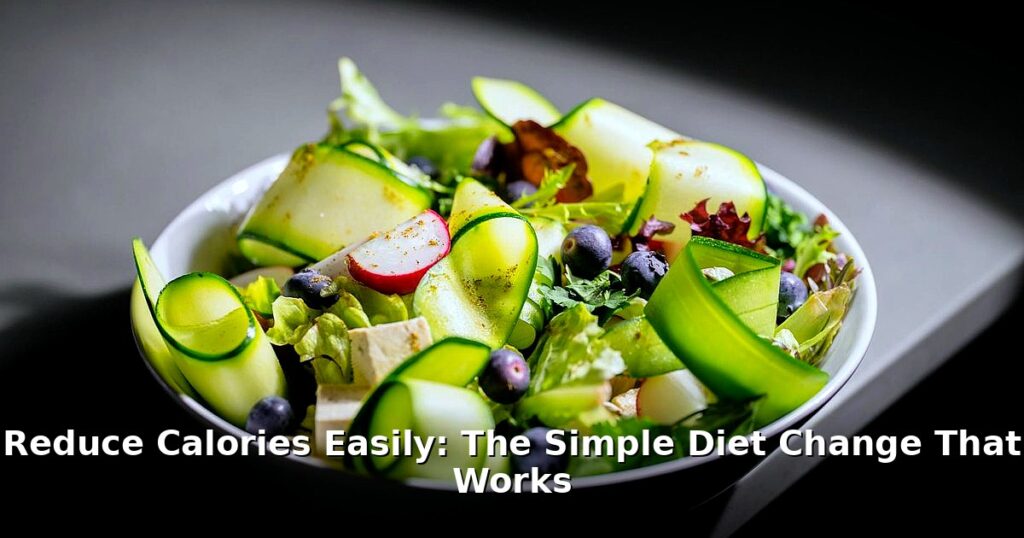

Ever feel like you’re eating a decent amount of food but the scale just won’t budge? Or worse, it’s creeping in the wrong direction? I’ve been there! You might be surprised to learn that the amount of food you’re eating isn’t always the problem. The real culprit? Calorie density. Learning how to reduce calories without shrinking your portions can be a total game changer for weight management.
The Sneaky Culprit: Calorie Density and Why It Matters
Okay, so what exactly is calorie density? Simply put, it’s the number of calories packed into each gram of food. Think of it like this: a feather pillow and a brick might be the same size, but one is significantly heavier (denser) than the other. Food is similar. Some foods pack a lot of calories into a small space (high calorie density), while others have fewer calories for the same amount (low calorie density).
High-calorie density foods are often processed, high in fat, or low in water and fiber. We’re talking things like oils, butter, cheese, nuts, cookies, and fried foods. Low-calorie density foods, on the other hand, are generally fruits, vegetables, and broth-based soups. These foods are full of water and fiber, which contribute very little to the overall calorie count. You might also enjoy: HIV in Ghana: Sexual Intercourse Linked to 80% of Infections. You might also enjoy: Heart Health Boost: 6 Lifestyle Habits Cardiologists Secretly Love.
And here’s why this matters: our bodies aren’t always great at sensing calories. We’re much better at sensing volume. So, if you’re eating mostly high-calorie-density foods, you might consume a significant number of calories before your stomach even registers that you’re full. This can easily lead to overeating. Think about it: a handful of nuts is easy to pop in your mouth, and before you know it, you’ve consumed hundreds of calories! Compare that to eating a big bowl of salad with a light vinaigrette. The salad will fill you up much more, with far fewer calories.
I used to struggle with portion control so much. I’d try to eat “sensible” portions of my favorite foods, but I was always hungry afterward. It wasn’t until I started paying attention to calorie density that things clicked. I realized I could eat more food and feel more satisfied, simply by choosing foods with fewer calories per bite.
Introducing Volumetrics: Eat More, Weigh Less?
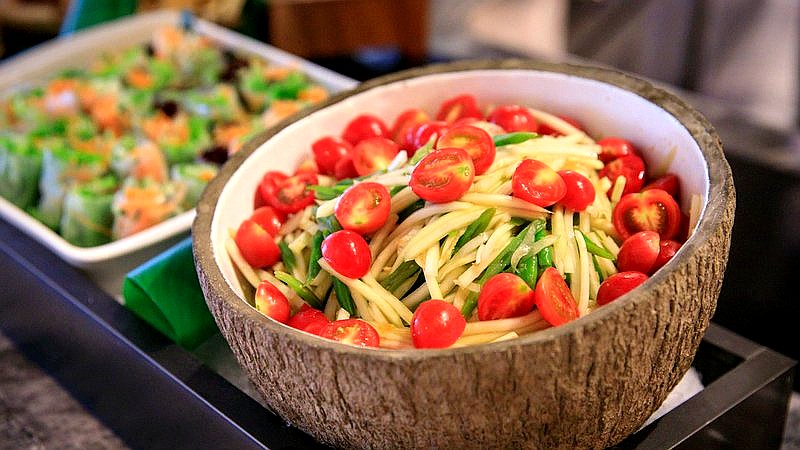
The truth is, This brings us to the concept of volumetrics! Volumetrics is basically an eating approach centered around choosing foods that have a high volume but are low in calories. The idea is that you can feel full and satisfied while still maintaining a calorie deficit, which is crucial for weight loss. It’s all about strategically choosing foods that take up more space in your stomach without adding a ton of calories.
How does it work? Well, those high-volume, low-calorie foods – like fruits, vegetables, and soups – are packed with water and fiber. Water adds weight and bulk without adding calories, and fiber slows down digestion, helping you feel fuller for longer. This combination sends signals to your brain that you’re satisfied, reducing the urge to overeat.
The concept of volumetrics was popularized by Dr. Barbara Rolls, a professor of nutritional sciences at Penn State University. She’s done extensive research on the topic, and her book, “The Volumetrics Eating Plan,” is a great resource if you want to reduce calories and learn more about this approach. Dr. Rolls’ research has consistently shown that people who eat a diet rich in low-calorie-density foods tend to consume fewer calories overall and are more successful at maintaining a healthy weight.
If you’re curious about the science behind volumetrics, there are tons of studies out there. For example, this study published in the American Journal of Clinical Nutrition found that increasing the water content of foods led to decreased energy intake. (Always good to consult studies for extra support!).
The Simple Swap: Ditching Added Fats for Water & Fiber
Okay, so how do you actually put this into practice? It’s all about making smart substitutions. Think about swapping out high-calorie-density foods for lower-calorie options. This is where a real diet change can occur.
Let’s get specific. Instead of cooking with a lot of oil or butter, try using broth or water to sauté your vegetables. Instead of snacking on nuts or chips, reach for a piece of fruit or some raw veggies with hummus. And instead of creamy, cheese-laden sauces, opt for tomato-based sauces or flavorful salsas.
Here’s a visual to really drive the point home: One tablespoon of olive oil contains around 120 calories. You could eat a huge cup of broccoli for roughly the same number of calories! That’s a massive difference in volume and satiety. You’d probably barely notice the tablespoon of oil, but you’d feel pretty full after eating all that broccoli.
I’ll be honest — Water and fiber are truly your friends here. They’re both calorie-free (or very low in calories) and they add bulk to your meals, making you feel satisfied without the extra calories. Fiber also has the added benefit of promoting healthy digestion. It’s a win-win!
Practical Tips for Implementing This Diet Change
Ready to give volumetrics a try and reduce calories? Here are a few practical tips to help you get started:
- Start Slowly: Don’t try to overhaul your entire diet overnight. Gradually incorporate more low-calorie-density foods into your meals. Maybe start by adding a side salad to your lunch or swapping out your afternoon chips for a piece of fruit.
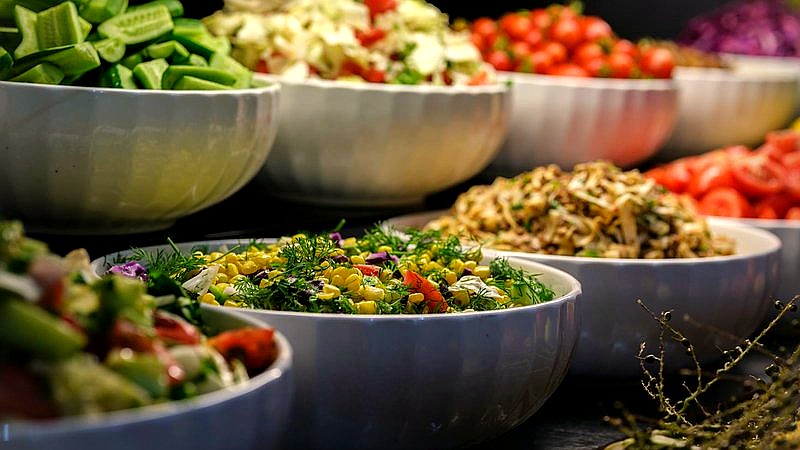
- Focus on Adding, Not Just Subtracting: Instead of just focusing on what you need to cut out, emphasize what you can add in. Aim to fill half your plate with non-starchy vegetables at every meal. This will naturally crowd out some of the higher-calorie options.
- Hydrate: Drink plenty of water throughout the day. Sometimes we mistake thirst for hunger, so staying hydrated can help you avoid unnecessary snacking. Plus, water itself takes up space in your stomach, contributing to that feeling of fullness.
- Plan Your Meals: This is key! When you’re hungry and unprepared, it’s easy to reach for convenient, high-calorie-density foods. Take some time each week to plan out your meals and snacks. Prepare some healthy options in advance so you have them readily available. I personally spend Sundays chopping veggies for the week. It makes healthy snacking SO much easier.
Potential Benefits Beyond Calorie Reduction
The benefits of focusing on low-calorie-density foods extend far beyond just calorie reduction. When you fill your plate with fruits, vegetables, and other whole foods, you’re also getting a hefty dose of essential vitamins, minerals, and antioxidants. This can lead to improved overall health and well-being.
The high fiber content of these foods also promotes healthy digestion. Fiber helps keep things moving through your digestive system, preventing constipation and supporting a healthy gut microbiome. A happy gut is a happy you!
Many people also report increased energy levels when they switch to a diet rich in low-calorie-density foods. This is likely due to a combination of factors, including improved nutrient intake, better digestion, and feeling satisfied without being sluggish from heavy, high-fat meals.
And perhaps most importantly, a plant-based diet is linked to a reduced risk of chronic diseases like heart disease, type 2 diabetes, and certain types of cancer. It’s a proactive step you can take to protect your long-term health.
Important Considerations: Talk to Your Doctor First
Before you make any significant diet change, it’s always a good idea to talk to your doctor or a registered dietitian. They can assess your individual needs and help you create a plan that’s safe and effective for you.
This information is intended for general knowledge and informational purposes only, and doesn’t constitute medical advice. it’s essential to consult with a qualified healthcare professional or registered dietitian for any health concerns or before making any decisions related to your health or treatment.
This is especially important if you have any pre-existing health conditions or are taking any medications. Certain dietary changes may interact with medications or exacerbate existing conditions. A healthcare professional can help you se potential risks.
It’s also important to ensure that you’re meeting all of your nutrient needs when following a volumetric diet. While fruits and vegetables are packed with vitamins and minerals, they may not provide enough of certain nutrients, such as protein, iron, or vitamin B12. A registered dietitian can help you create a balanced eating plan that meets all of your nutritional requirements.
Frequently Asked Questions
How quickly will I see results from this diet change?
Results can vary depending on several factors, including your starting weight, activity level, and overall adherence to the plan. However, many people notice a difference in their energy levels and feelings of fullness within just a few days. Weight loss, if that’s your goal, is typically more gradual and depends on your consistency and overall lifestyle. Don’t expect overnight miracles, but stick with it and you should see positive changes over time.
Are there any downsides to eating a low-calorie-density diet?
There are a few potential downsides to be aware of. One is that you may need to plan your meals carefully to ensure you’re getting adequate nutrient intake. It’s easy to fill up on low-calorie foods without getting enough protein or healthy fats. Another is that you may need to adjust to eating larger portion sizes of lower-calorie foods, which can feel a bit strange at first. Consulting with a registered dietitian can help you address these potential challenges and create a well-rounded eating plan.
Is this the same as a vegan or vegetarian diet?
What surprised me was that While vegan and vegetarian diets can certainly be low in calorie density, the volumetric approach is broader than that. You can absolutely incorporate animal products into a volumetric diet while still focusing on high-volume, low-calorie options like fruits, vegetables, and broth-based soups. It’s about making smart choices, not necessarily adhering to a specific dietary label.
So, are you ready to try a diet change that focuses on feeling full and satisfied while helping you reduce calories? It’s not about deprivation; it’s about making smart choices that nourish your body and support your goals. Start small, be patient with yourself, and remember to listen to your body along the way. Who knows? This might just be the sustainable approach to weight loss you’ve been searching for!