

If you’ve been looking into cyclosporiasis NH, the news recently popped up in my feed: two confirmed cases of cyclosporiasis in New Hampshire. My first thought, of course, was immediately to dig into the details. What exactly is this parasite, and how concerned should we be? When something like this hits close to home, even if it’s just a couple of isolated cases right now, it’s a good reminder to brush up on our food safety knowledge. Because let’s be real, nobody wants to deal with a nasty bout of foodborne illness.
Table of Contents
The New Hampshire Department of Health and Human Services (DHHS) recently announced these cases, and while they haven’t declared a full-blown outbreak, it’s enough to warrant a closer look at what we can do to protect ourselves and our families. Especially as we head into warmer months when fresh produce is abundant and we’re all a bit more relaxed, perhaps, with our outdoor meals and picnics. So, let’s break down what cyclosporiasis is, how to spot it, and most importantly, how to avoid it.
what’s Cyclosporiasis and How Does it Spread?
At its core, cyclosporiasis is an intestinal illness caused by a microscopic parasite called Cyclospora cayetanensis. This isn’t a bacterium or a virus; it’s a protozoan parasite, and it’s pretty unwelcome in your digestive system, let me tell you. The really tricky part about Cyclospora is that it’s spread by consuming food or water that’s been contaminated with microscopic feces containing the parasite. Gross, I know. But understanding this mechanism is key to preventing its spread. Check out our guide on Ozempic Feet: Doctors Warn of This Surprising Weight Loss Side Effect. We covered this in Legionnaires’ Outbreak in New York: What You Need to Know.
The most common culprits? Fresh produce. Think about it: fruits and vegetables that are grown in soil, irrigated with water, and handled by many people before they reach your kitchen. This parasite loves to hitch a ride on things like fresh berries, leafy greens, basil, snow peas, and cilantro. Often, the contamination happens in the fields, particularly in areas where sanitation might not be up to snuff or where irrigation water is compromised.
And it’s not just local produce that can be a vector. A significant number of cyclosporiasis outbreaks in the United States have been linked to imported fresh produce. This isn’t to say all imported produce is bad, far from it, but it does highlight the complex global food supply chain and the challenges in ensuring safety from farm to fork. Improper washing, contaminated water used for irrigation or rinsing, or even infected food handlers can introduce the cyclospora parasite onto produce, making it a sneaky foe.
What’s particularly interesting, and a bit concerning, about Cyclospora is that it needs a bit of time outside the body to become infectious. So, direct person-to-person spread is generally considered unlikely. You can’t usually catch it just by being near someone who has it, unlike, say, the flu. But if that person prepares food with unwashed hands after using the restroom, well, then you can see how the chain of transmission can start. It’s all about contaminated food or water making its way into your system.
Recognizing the Symptoms of Cyclosporiasis
Nobody wants to get sick, but knowing the signs of cyclosporiasis symptoms can help you seek treatment faster if you do. The incubation period for this parasite is typically about a week, but it can be anywhere from two days to two weeks after you’ve consumed contaminated food or water. It’s not always an immediate reaction, which can make it harder to pinpoint the source.
Once the symptoms kick in, they’re not exactly subtle. The most prominent symptom is usually watery diarrhea, and it can be pretty severe. But that’s just the start. You might also experience:
- Significant loss of appetite
- Unexplained weight loss (and not the good kind!)
- Intense abdominal cramps or bloating
- Nausea
- Overwhelming fatigue
Less common, but still possible, are symptoms like vomiting, a low-grade fever, and muscle aches. One of the really frustrating things about cyclosporiasis is its fluctuating nature. You might feel like you’re getting better, only for the symptoms to return with a vengeance a few days later. This “relapsing” pattern can go on for weeks or even months if the infection isn’t treated.
Here’s the thing — I remember reading a case study about a traveler who thought they just had a persistent stomach bug, only to find out months later it was Cyclospora. It’s a reminder that if you have persistent gastrointestinal issues, especially after traveling or consuming raw produce, it’s always best to get it checked out. Better safe than sorry, especially when something can linger for so long and cause such discomfort.
Protecting Yourself: Preventing Cyclosporiasis NH and Beyond
Prevention is always the best medicine, right? And preventing cyclosporiasis, especially in places like New Hampshire where cases have popped up, it largely comes down to diligent food handling practices. It’s not rocket science, but it does require consistency.
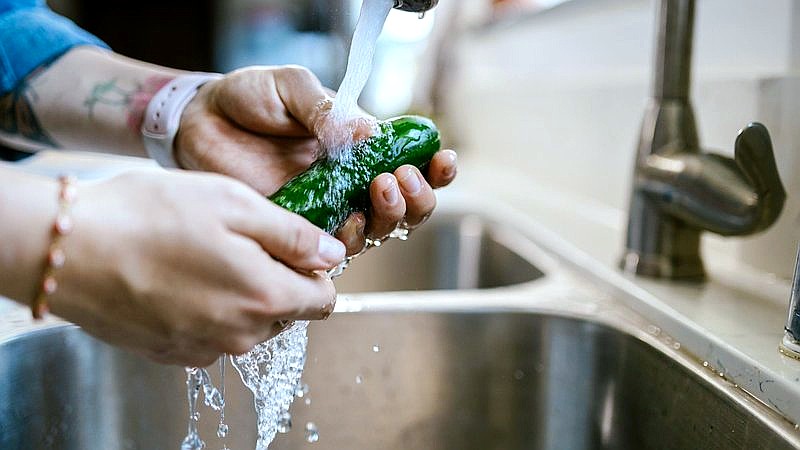
First and foremost: wash your produce thoroughly. And I mean thoroughly. Even if the package says “pre-washed” or “triple-washed,” give it another rinse under cold running water. For firmer items like apples or potatoes, a clean scrub brush can be helpful. For leafy greens, separate the leaves and rinse each one. You can’t always see these microscopic parasites, so a good rinse is your first line of defense. My personal routine? I always give my berries a good soak and rinse, even if they say ‘pre-washed’ – better safe than sorry!
Then there are general safe food handling practices. This means avoiding cross-contamination. Use separate cutting boards for raw meat and fresh produce. Always wash your hands with soap and warm water for at least 20 seconds before and after handling food, and especially after using the restroom. This seems basic, but it’s incredibly effective at preventing the spread of many foodborne illnesses.
If you’re traveling, particularly to regions where food and water safety standards might be different from what you’re used to, be extra mindful. This is where travel precautions come in. Stick to bottled water, avoid ice cubes in drinks, and be cautious with raw fruits and vegetables unless you can peel them yourself. “Boil it, cook it, peel it, or forget it” is a good mantra for food safety when traveling to higher-risk areas.
It’s also important to remember that while freezing might slow down some bacteria, it’s generally not effective at killing Cyclospora. And simply rinsing isn’t always enough to completely remove the parasite, which is why cooking food thoroughly is often recommended as the most reliable way to kill it. So, if you’re making a dish with raw produce that’s been implicated in outbreaks, consider if cooking it might be a safer option.

What to Do If You Suspect Cyclosporiasis
Okay, so you’ve done your best, but you’re experiencing those tell-tale cyclosporiasis symptoms – the watery diarrhea, the fatigue, the abdominal cramps. What’s next? The most important thing is to seek medical attention promptly.
Don’t try to tough it out or self-diagnose. A doctor can properly diagnose cyclosporiasis through a stool sample test. This specific test is usually looking for the Cyclospora oocysts (the parasite’s eggs) in your stool. It’s a key step because many other gastrointestinal illnesses have similar symptoms, and accurate diagnosis ensures you get the right treatment.
Once diagnosed, the good news is that cyclosporiasis is treatable. The typical treatment involves antibiotics, specifically trimethoprim/sulfamethoxazole (often known by brand names like Bactrim or Septra). It’s crucial to complete the full course of antibiotics prescribed by your doctor, even if you start feeling better quickly. Untreated, as mentioned, the symptoms can drag on for a very long time, with those annoying periods of relapse.
And here’s a crucial public health aspect: your doctor will likely report your case to the local health department. Why? Because public health departments, like the DHHS in New Hampshire, track these cases. This tracking is vital for identifying potential outbreaks, pinpointing common sources of contamination, and preventing further spread. Your individual case, while personal to you, contributes to a larger picture that helps protect the entire community. This is how they figure out if there’s a problem with a particular batch of produce or a specific restaurant, for instance.
The Current Situation: Cyclosporiasis Cases in New Hampshire
So, about those two confirmed cases of cyclosporiasis in NH. The New Hampshire Department of Health and Human Services (DHHS) released a statement to inform the public, which is exactly what we want to see from our public health agencies. They’re doing their job of keeping us in the loop.
At this point, the DHHS has indicated that these are isolated cases. This means they haven’t identified a common source or a cluster of illnesses that would suggest a widespread outbreak. That’s reassuring, because it implies the risk to the general public isn’t elevated dramatically right now. It means it could be from different sources, or perhaps a single exposure that hasn’t affected many others.
However, the announcement serves as an important reminder for public awareness and vigilance for local residents. It’s a nudge to everyone in New Hampshire – and really, everywhere else too – to be extra careful with food preparation, especially as we enjoy the bounty of fresh summer produce. Don’t let your guard down just because it’s only two cases. Think of it as a proactive warning shot.
This situation really highlights everyone doing their part in foodborne illness prevention. From farmers to distributors, and ultimately, to us in our own kitchens. A little extra care can go a long way in keeping ourselves and our loved ones healthy.
For more detailed information on food safety, you can always check trusted sources like the CDC’s Cyclosporiasis page or the FoodSafety.gov website. They’re fantastic resources for staying informed.
Frequently Asked Questions
Is cyclosporiasis contagious from person to person?
Generally, direct person-to-person transmission is unlikely because the parasite needs time outside the body to become infectious. Then again, proper hygiene is always recommended to prevent any potential spread, especially handwashing after using the restroom or before preparing food.
How long does cyclosporiasis last?
If untreated, symptoms can last for weeks or even months, often with periods of improvement and relapse. With appropriate antibiotic treatment, symptoms typically resolve within a few days.
Can cooking kill Cyclospora?
Yes, cooking food thoroughly can kill Cyclospora. The primary risk comes from raw or undercooked contaminated produce. Freezing is generally not effective at killing the parasite. A lot to unpack there.
What kind of produce is most often linked to Cyclospora outbreaks?
Commonly implicated produce includes various fresh berries (raspberries, blueberries), basil, leafy greens (like lettuce and spinach), snow peas, and cilantro, especially when imported. But it can technically contaminate any produce that has come into contact with contaminated water or feces.