


You’ve heard about the incredible buzz around medications like Ozempic for weight loss, right? It seems like everyone’s talking about how quickly people are shedding pounds, and that’s fantastic news for many struggling with obesity and related health issues. But, as with almost any significant change in your body, there can be unexpected twists and turns along the way. One such emerging concern that doctors are starting to flag is something unofficially, but increasingly, being called Ozempic feet.
Table of Contents
It’s not a formal medical diagnosis you’ll find in a textbook, at least not yet. Instead, it’s a term born from patient experiences and anecdotal reports from healthcare providers who are noticing a pattern: people on these rapid weight-loss medications are developing new or worsening foot pain. And it’s not just the medication itself that’s causing it, but rather the dramatic and speedy weight reduction that these drugs facilitate. Not even close.
I’ve been diving into the research and talking to a few folks in the medical community, and it’s clear that this is a real thing for many. It makes a lot of sense when you think about it. Your feet are literally your foundation, supporting your entire body weight with every step. So, when that weight changes drastically, especially quickly, your feet are going to feel it. Check out our guide on Legionnaires’ Outbreak in New York: What You Need to Know. We covered this in Pioneering Treatment Saves Identical Twins from Rare Pregnancy Condition.
What Exactly Are ‘Ozempic Feet’ Anyway?
I’ll be honest — Let’s get straight to it. When we talk about ‘Ozempic feet,’ we’re really referring to a collection of symptoms like increased heel pain, arch discomfort, and general foot soreness that seem to crop up or intensify after significant, rapid weight loss—often, but not exclusively, in individuals taking GLP-1 receptor agonists like semaglutide (Ozempic, Wegovy) or tirzepatide (Mounjaro, Zepbound).
It’s not a direct side effect of the drug in the way nausea might be, but rather an indirect consequence of the very thing the drug is designed to do: help you lose weight, and often lose it fast. Imagine your body as a carefully calibrated machine. Now, suddenly, a huge chunk of the load it’s been carrying is gone. Your feet, which have adapted to supporting that specific load for years, are now having to recalibrate.
Doctors are hearing more and more from patients who say their feet just aren’t as comfortable as they used to be, even though they’re lighter. It’s a bit of a paradox, isn’t it? You’d think less weight would equal less foot strain. But the reality can be more complex.
The Science Behind Foot Pain and Rapid Weight Loss
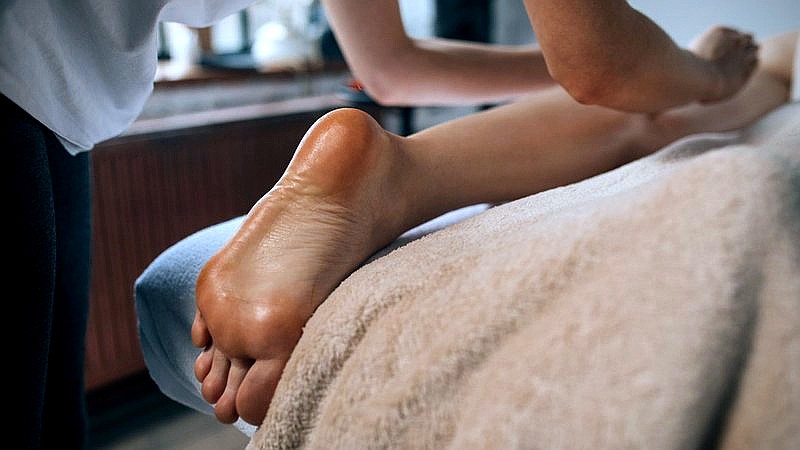
To understand why rapid weight loss can lead to semaglutide foot pain, we need to talk a little about how your feet work. When you carry excess weight, your body adapts. Your feet develop thicker fat pads on the soles, particularly under the heel and ball of the foot. Think of these as natural shock absorbers, often referred to as Cushing’s fat pad, which cushion your bones and joints from the constant impact of walking and standing.
Your plantar fascia, a thick band of tissue running along the bottom of your foot from your heel to your toes, also plays a critical role. It supports your arch and acts like a spring when you walk. Conditions like plantar fasciitis, which causes intense heel pain, are often exacerbated by excess weight because of the increased strain on this ligament.
Now, here’s where the rapid weight loss comes in. When you shed pounds quickly, that protective fat padding on your soles can diminish just as rapidly. It doesn’t always have time to re-distribute or for your body to adjust to the new mechanics. Suddenly, those bones and ligaments, including the plantar fascia, are receiving less natural cushioning. That increased pressure can lead to inflammation and pain.
What surprised me was that But it’s not just the fat pads. Your gait, or the way you walk, also adapts to your body weight. Losing a significant amount of weight quickly can alter your gait mechanics. Your foot strike, your stride length, how your weight distributes across your foot—all of these can change. And if your body isn’t given enough time to gradually adapt to these changes, you can put undue stress on parts of your foot that weren’t designed to bear that much load directly. This is why we’re seeing foot health rapid weight loss become a real concern.
GLP-1 Receptor Agonists and the Speed Factor
I’ll be honest — Medications like Ozempic, Wegovy, and Mounjaro are incredibly effective because they work by mimicking a hormone called GLP-1 (glucagon-like peptide-1), which helps regulate blood sugar and appetite. This leads to substantial weight loss, and often, it happens quite fast. It’s this speed that seems to be a key factor in the development of these foot issues. Your feet simply don’t have time to catch up to the new reality of your lighter body.
Common Symptoms and What to Look For
So, what does this foot pain actually feel like? What should you be on the lookout for if you’re experiencing significant weight loss, especially with GLP-1 receptor agonists side effects?
- Increased heel pain: This is probably the most common complaint. It’s often worse first thing in the morning when you take your first steps out of bed, or after you’ve been sitting for a while and then stand up. That classic plantar fasciitis pain.
- Arch pain: Discomfort along the arch of your foot, feeling like a strain or ache.
- General foot discomfort: A pervasive soreness or tenderness across the bottom of your foot, not localized to one spot.
- Changes in foot shape or pressure points: You might notice new calluses forming in unusual spots, indicating altered pressure distribution.
- Fatigue in feet: Your feet might simply feel tired or achy much sooner than they used to, especially after standing or walking for extended periods.
It’s important to differentiate this from just general muscle soreness from being more active, which is a good thing! This foot pain tends to be sharper, more persistent, and localized to the bony or ligamentous structures of the foot. Not ideal.
Practical Tips for Caring for Your Feet While Losing Weight
The truth is, The good news is that while ‘Ozempic feet’ can be uncomfortable, there are many proactive steps you can take to manage and even prevent this kind of foot pain. Taking care of your feet is paramount, especially when your body is undergoing such a significant transformation.
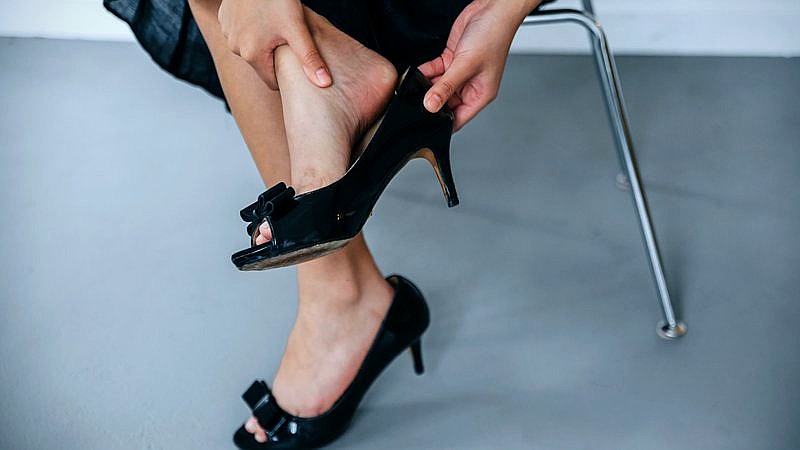
- Invest in supportive footwear: This is non-negotiable. Ditch the flimsy flip-flops and unsupportive flats. Look for shoes with excellent arch support, good cushioning in the sole, and a stable heel counter. Brands known for orthopedic support can be a great starting point. Your shoes should fit well, not too tight or too loose, with enough room in the toe box.
- Consider orthotics or insoles: Sometimes, even the best shoes aren’t enough. Over-the-counter insoles can provide extra cushioning and help distribute pressure more evenly. For more persistent issues, custom orthotics prescribed by a podiatrist can be incredibly beneficial in correcting biomechanical imbalances.
- Gentle foot exercises and stretching: Regular stretching can help keep your plantar fascia flexible and strong. Simple exercises like calf stretches, toe curls, and picking up marbles with your toes can make a big difference. Roll a golf ball or a frozen water bottle under your foot to massage the plantar fascia.
- Maintain hydration and proper nutrition: Your tissues, including those in your feet, need adequate hydration and nutrients to stay healthy and repair themselves. Don’t overlook the basics of good health.
Okay, so On a personal note, I’ve always been a big believer in proactive foot care, even before I started learning about this specific issue. Every night, without fail, I spend a few minutes rolling a golf ball under each foot. It’s a simple, quick massage that helps stretch out the plantar fascia and just feels incredibly good after a long day. Highly recommend giving it a try!
When to Talk to Your Doctor About ‘Ozempic Feet’
While these tips can certainly help, it’s crucial to know when to seek professional medical advice. If you’re experiencing persistent or worsening foot pain, don’t just suffer through it.
Make an appointment to discuss any new or unusual foot symptoms with your healthcare provider. They can assess the situation, rule out other potential causes, and help you develop a tailored plan. It’s all part of taking a to weight management and making sure any side effects are mitigated effectively.
In some cases, your primary care doctor might recommend consulting a podiatrist. A podiatrist specializes in foot and ankle care and can provide specialized advice, prescribe custom orthotics, or suggest other treatments if needed. they’re the experts keeping your feet happy and healthy.
Remember, losing weight is a fantastic achievement for your overall health, but it’s important to pay attention to all parts of your body, including your foundation. Your feet work hard for you every single day. Give them the care and attention they deserve, especially during a period of such significant change like rapid weight loss with medications that impact your body in powerful ways.
Frequently Asked Questions
Q: Is ‘Ozempic feet’ an official medical diagnosis?
Here’s what most people miss: A: ‘Ozempic feet’ isn’t a formal medical diagnosis but a term emerging from patient experiences. It describes foot pain, often related to rapid weight loss, which can occur while taking medications like Ozempic (semaglutide). Just something to think about.
Q: What causes foot pain when losing weight quickly?
A: Rapid weight loss can reduce the natural fat padding on the soles of your feet, which normally acts as a cushion. This can lead to increased pressure on bones and ligaments, contributing to conditions like plantar fasciitis or general foot discomfort.
Q: Can proper footwear help with ‘Ozempic feet’?
A: Absolutely. Wearing well-cushioned, supportive shoes that fit correctly is crucial. They can help absorb shock, provide stability, and distribute pressure more evenly across your feet, alleviating symptoms. You can find excellent resources on choosing appropriate footwear from organizations like the American Podiatric Medical Association.
Q: Should I stop taking Ozempic if I experience foot pain?
A: don’t stop any prescribed medication without first consulting your doctor. If you’re experiencing foot pain, talk to your healthcare provider. They can assess the cause, suggest management strategies, or adjust your treatment plan if necessary. Always prioritize communication with your medical team. For more general information on medication side effects, you might find resources from the FDA helpful, though always discuss specific concerns with your doctor.