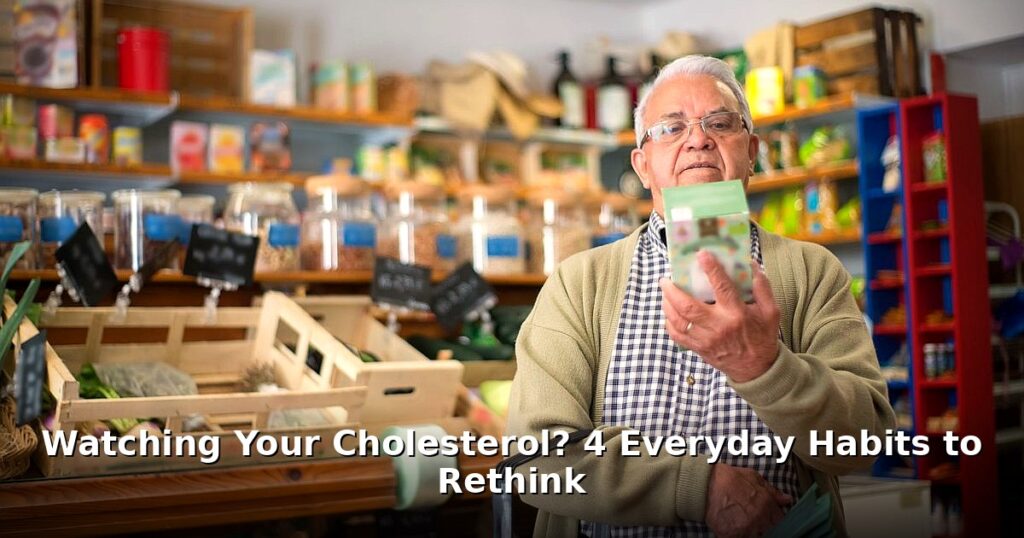

So, you’ve had that conversation with your doctor. Maybe the blood work came back, and the numbers weren’t quite where you wanted them to be. Or perhaps you’re just being proactive, realizing that taking charge of your heart health now is a smart move for the long haul. Whatever your reason, if you’re watching your cholesterol, you’re on the right track. It’s a journey many of us find ourselves on, and honestly, it can feel a little overwhelming with all the conflicting information out there.
Table of Contents
- Understanding the ‘Good’ and ‘Bad’ of Cholesterol
- Thing #1: Excess Saturated and Trans Fats – The Sneaky Culprits
- Thing #2: Overdoing Refined Sugars and Simple Carbohydrates
- Thing #3: A Sedentary Lifestyle – Sitting Too Much
- Thing #4: Chronic Stress and Inadequate Sleep – Beyond Just Diet
- Embracing Sustainable Habits for a Healthier Heart
- Frequently Asked Questions
I’ve spent a fair bit of time digging into the research, separating the fads from the actual science-backed advice, and what I’ve learned is that a few key daily habits can make a tremendous difference. It’s not about perfection, but about consistent, informed choices. And it’s definitely more than just cutting out eggs (a common misconception, by the way!). Let’s unpack some of the most impactful things you can start avoiding or reducing today to support a healthier heart.
Understanding the ‘Good’ and ‘Bad’ of Cholesterol
Before we jump into what to avoid, a quick refresher on cholesterol itself is helpful. It’s not all bad, not by a long shot. Cholesterol is a waxy, fat-like substance that your body needs to build healthy cells. It helps produce hormones, vitamin D, and bile acids that aid digestion. Your liver actually makes all the cholesterol your body needs, but you also get some from your diet. Check out our guide on Food Poisoning Family Dispute: Navigating Illness and Relationships. We covered this in Daily Supplements: Are You Taking Too Many for Your Health?.
The “good” and “bad” labels refer to the lipoproteins that transport cholesterol through your bloodstream. High-density lipoprotein (HDL) is often called the “good” cholesterol because it carries cholesterol from other parts of your body back to your liver, which then removes it from your body. Think of HDL as the clean-up crew.
Then there’s low-density lipoprotein (LDL), the “bad” cholesterol. High levels of LDL can lead to a buildup of plaque in your arteries, narrowing them and increasing your risk of heart attack and stroke. It’s like sticky gunk accumulating in your pipes. So, the goal for most people is to have higher HDL and lower LDL. Worth it.
Your diet plays a significant role in influencing these circulating cholesterol levels. But it’s not just about the cholesterol you eat. Surprisingly, other dietary components, like certain types of fats and sugars, can have an even greater impact on how your body produces and manages cholesterol. That’s why a to heart health is absolutely key when you’re watching your cholesterol.

Thing #1: Excess Saturated and Trans Fats – The Sneaky Culprits
If there’s one area to really focus your efforts when thinking about a lower cholesterol diet, it’s definitely saturated and trans fats. These are the major players in elevating your LDL cholesterol.
Demystifying Saturated Fats
You might not expect this, but Saturated fats are often found in animal products. We’re talking about the visible fat on red meat, the skin on poultry, full-fat dairy products like whole milk, butter, and cheese. But they also hide in many processed snacks and baked goods. Think about that delicious pastry, the crispy fried chicken, or even some seemingly innocuous snack crackers. Many contain a hefty dose of saturated fat. While the science on saturated fat has evolved a bit, and we understand that not all saturated fats are created equal, minimizing your intake is still a solid strategy for most people concerned about their heart health. My rule of thumb? If it’s highly processed or comes from an animal source with visible fat, it’s likely got some saturated fat.
Exposing Trans Fats: The Real Villains
Now, if saturated fats are sneaky, trans fats are outright villains. These are artificially created fats, usually formed through a process called hydrogenation, which turns liquid vegetable oils into solid fats. You’ll often see them listed as “partially hydrogenated oil” on ingredient labels. Why are they so bad? They don’t just raise your LDL (“bad”) cholesterol; they also lower your HDL (“good”) cholesterol. It’s a double whammy, and not in a good way. The FDA has largely banned artificial trans fats, which is fantastic, but trace amounts can still exist, especially in some older processed foods or those manufactured outside strict regulations. Always check labels. If you see “partially hydrogenated oil,” put it back. Period.
Practical Tips for Identifying and Reducing These Fats
So, how do you actually reduce your saturated fat intake and avoid trans fat sources in your daily meals? It’s easier than you think once you get the hang of it.
- Read food labels: This is your superpower. Look for “saturated fat” and “trans fat” content. Aim for as close to zero trans fat as possible.
- Choose leaner proteins: Opt for skinless poultry, fish, and lean cuts of meat. Beans, lentils, and tofu are excellent plant-based, low-saturated fat alternatives.
- Go for low-fat dairy: Skim milk, low-fat yogurt, and reduced-fat cheese are good swaps.
- Bake, don’t fry: Air frying, baking, grilling, or steaming are healthier cooking methods than deep-frying.
- Be wary of processed snacks: Many cookies, crackers, and pastries are loaded with unhealthy fats. Choose whole-food snacks like fruits, vegetables, nuts, or seeds instead.
Thing #2: Overdoing Refined Sugars and Simple Carbohydrates
Here’s what most people miss: This one often surprises people. We’re so conditioned to think “fat equals bad cholesterol” that we sometimes overlook other dietary culprits. But the truth is, a diet high in refined sugars and simple carbohydrates can absolutely mess with your cholesterol levels, particularly by increasing your triglycerides and lowering your HDL.
The Often-Overlooked Link Between Sugar and Cholesterol
When you consume a lot of refined sugars and simple carbs, your body quickly breaks them down into glucose. If you’re getting more glucose than your body needs for immediate energy, your liver converts that excess into fat, a process called lipogenesis. These fats are then stored, often as triglycerides. High triglycerides are a major risk factor for heart disease and often go hand-in-hand with low HDL and higher LDL particle numbers. It’s a complex interplay, but essentially, too much sugar tells your body to pump out more unhealthy fats.
Common Sources of These Hidden Culprits
Okay, so Where do these sugars and simple carbs hide? Everywhere! Sugary drinks are a huge offender – sodas, sweetened teas, fruit juices with added sugar. Then there are all those delicious baked goods: cakes, cookies, pastries, donuts. White bread, white pasta, and white rice are also sources of refined carbohydrates that can spike your blood sugar quickly. Even seemingly healthy breakfast cereals can be sugar bombs. It’s a real challenge to avoid them in modern diets.
Making a Difference with Whole Grains and Natural Sugars
The good news is that making conscious swaps can make a big difference. Focus on whole grains like brown rice, quinoa, whole-wheat bread, and oats. These foods contain fiber, which slows down sugar absorption, helps you feel full, and can even help lower LDL cholesterol. sweetness, reach for natural sugars found in whole fruits. Fruits come packed with fiber, vitamins, and antioxidants, which balance out their sugar content. A piece of fruit is a far cry from a candy bar in terms of its metabolic impact.
Thing #3: A Sedentary Lifestyle – Sitting Too Much
We’ve talked about what you eat, but how you move (or don’t move) is just as critical when you’re thinking about foods to avoid high cholesterol and adopting a heart-healthy lifestyle. The connection between physical inactivity and unfavorable cholesterol profiles is clear and well-documented. Sitting too much, often referred to as a “sedentary lifestyle,” is a silent enemy of your heart. Big difference.
The Impact of Movement on HDL Levels and Overall Heart Health
Regular physical activity is one of the most effective ways to boost your “good” HDL cholesterol. Exercise helps your body transport excess cholesterol back to the liver for removal. It also helps with weight management, reduces inflammation, improves insulin sensitivity, and lowers blood pressure – all factors that contribute to better overall cardiovascular health. Turns out, it’s truly a multi-tasking wonder for your heart. And you don’t have to become a marathon runner overnight.
Simple Ways to Integrate More Activity into a Busy Day
Even small bursts of activity add up. My personal habit is to set a timer to stand up and stretch every hour if I’m at my desk for an extended period. It really does help! Here are some other ideas:
- Take the stairs: Skip the elevator or escalator whenever possible.
- Walk during breaks: Instead of scrolling on your phone, take a brisk 10-15 minute walk.
- Park further away: A few extra steps never hurt anyone.
- Stand while talking on the phone: Or even while watching TV.
- Incorporate active hobbies: Dancing, gardening, hiking, or playing with pets are all great ways to move.
- Short exercise snacks: A 5-minute burst of jumping jacks or bodyweight squats can get your heart rate up.

Thing #4: Chronic Stress and Inadequate Sleep – Beyond Just Diet
It’s easy to focus solely on diet and exercise, but our emotional and mental well-being are inextricably linked to our physical health. Chronic stress and poor sleep can have a surprisingly significant impact on your metabolic health, including your lipid profiles.
The Hormonal Connection: Stress, Cortisol, and Cholesterol Regulation
When you’re constantly stressed, your body releases stress hormones like cortisol. Chronically elevated cortisol levels can lead to several metabolic issues. One way it affects cholesterol is by signaling your liver to produce more glucose and triglycerides. It can also promote inflammation, which is a key factor in the development of atherosclerosis (hardening of the arteries). Turns out, it’s a bit of a vicious cycle: stress increases inflammation, which can negatively affect cholesterol and further stress your system. It’s a reminder that heart health isn’t just about what’s on your plate.
The Impact of Poor Sleep Quality on Metabolic Health
Similarly, skimping on sleep isn’t just about feeling tired the next day. Inadequate or poor-quality sleep can disrupt your body’s natural rhythms and metabolic processes. Studies have shown a link between chronic sleep deprivation and higher LDL cholesterol, lower HDL cholesterol, and elevated triglycerides. Sleep is when your body repairs and regenerates, and when that process is interrupted, everything can get out of whack. I know for me, a bad night’s sleep often leads to poor food choices the next day, which only compounds the problem.
Strategies for Stress Management and Improving Sleep Hygiene
These are areas where small, consistent efforts yield big returns. For stress:
- Mindfulness and meditation: Even 5-10 minutes a day can make a difference.
- Deep breathing exercises: Simple yet powerful.
- Regular exercise: It’s a phenomenal stress reliever.
- Hobbies and social connections: Do things you enjoy and connect with people who uplift you.
- Saying “no”: Sometimes, the best stress management is setting boundaries.
For sleep hygiene: No joke.
- Consistent sleep schedule: Go to bed and wake up at the same time, even on weekends.
- Optimize your bedroom: Make it dark, quiet, and cool.
- Limit screen time before bed: The blue light can interfere with melatonin production.
- Avoid heavy meals, caffeine, and alcohol close to bedtime.
- Create a relaxing bedtime routine: A warm bath, reading a book, or gentle stretching.
Embracing Sustainable Habits for a Healthier Heart
Phew! That was a lot, but I hope it clarifies that watching your cholesterol involves a few key areas beyond just avoiding high-cholesterol foods. To recap, focus on significantly reducing your intake of saturated and trans fats, being mindful of refined sugars and simple carbs, moving your body more throughout the day, and prioritizing stress management and good sleep. These are the big four that, when addressed, can make a profound impact on your lipid profile and overall heart health.
The best part? You don’t have to overhaul your entire life overnight. Small, consistent changes are far more sustainable and effective in the long run than drastic, restrictive diets or intense exercise regimens that you can’t maintain. Pick one or two areas to focus on first, master them, and then add another. Perhaps you start by swapping out sugary drinks for water, or commit to a 15-minute walk every day. Little steps, big progress.
And remember, I’m just a friend sharing research! Always, always consult with your doctor or a registered dietitian for personalized advice. They can help you understand your specific cholesterol numbers, potential risks, and develop a plan tailored to your health needs and lifestyle. Your heart will thank you for it.
Frequently Asked Questions
Q: Does dietary cholesterol directly raise blood cholesterol?
A: For many people, dietary cholesterol has less of an impact on blood cholesterol than saturated and trans fats. That said, some individuals are more sensitive to dietary cholesterol, so moderation is often recommended. Focus more on reducing unhealthy fats.
Q: What are some good sources of ‘good’ HDL cholesterol?
A: While foods don’t contain HDL directly, certain foods can help boost your HDL levels. These include monounsaturated and polyunsaturated fats found in olive oil, avocados, nuts, seeds, and fatty fish. Regular exercise is also a powerful HDL booster.
Q: Can exercise alone lower high cholesterol?
A: Exercise is a crucial component of managing cholesterol, particularly by raising HDL and improving overall heart heal. That saider, for many, a combination of regular physical activity and dietary modifications provides the most effective results in lowering LDL and triglycerides.
Q: How quickly can lifestyle changes impact cholesterol levels?
A: Positive changes to diet and lifestyle can start affecting cholesterol levels within a few weeks to a few months. Consistent effort is key, and your doctor can help monitor your progress with blood tests over time to see the impact of your new habits.