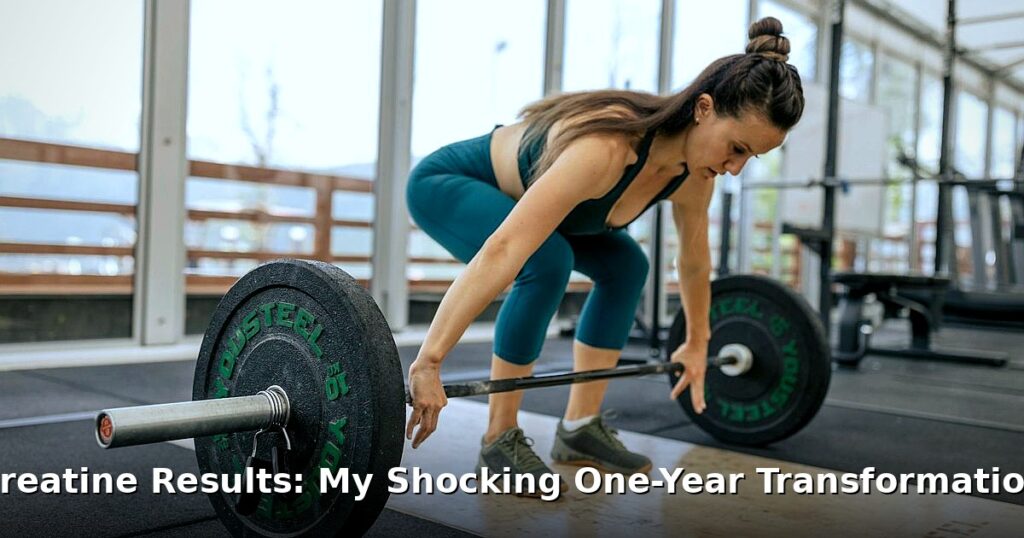

Okay, so I’m not exactly a bodybuilder. More like a regular person who enjoys hiking and the occasional weightlifting session. But I’d been feeling…stuck. My progress in the gym had plateaued, and I was constantly tired. That’s when I started researching supplements, and creatine results kept popping up. I figured, why not give it a shot?
Table of Contents
My Creatine Journey: Why I Started
My initial goals were pretty straightforward: I wanted to increase my strength, build a little more muscle, and generally improve my athletic performance. I wasn’t aiming to become a powerlifter, just a stronger, more energetic version of myself. Before this, my experience with supplements was practically zero. A multivitamin here and there, maybe some protein powder after a particularly tough workout. Nothing serious.
To be honest, I had some serious hesitations before starting creatine. I’d heard all the myths – that it’s a steroid, that it’s bad for your kidneys, that it’ll make you blow up like a balloon. The internet can be a scary place, right? And while I do enjoy being spontaneous, I also know that I’m not a medical professional. Which is why I did what I always do before making big changes to my routine, I talked to my doctor. Check out our guide on Alzheimer’s Breakthrough: New Treatment Reverses Decline in Mice. We covered this in Lower Heart Attack Risk: 3 Simple Daily Changes.
And you should too! Seriously, don’t start any new supplement regimen without consulting a healthcare professional first. My doctor was able to address my concerns, debunk some of the myths, and give me the green light to try creatine. Big difference. I felt much better going in.
Choosing the Right Creatine: Monohydrate and Dosage
Once I decided to go for it, the next step was figuring out which type of creatine to use. There are so many different kinds on the market – creatine ethyl ester, creatine hydrochloride, buffered creatine… it can be overwhelming. After doing a ton of research (and honestly, getting a little lost in the science), I decided to go with good old creatine monohydrate.
Why? Well, it’s the most studied form of creatine, and the research consistently shows that it’s safe and effective. Plus, it’s the most affordable. Can’t beat that. I’m not about to spend a ton of money on the latest fad supplement. I chose creatine monohydrate specifically because I wanted a well-researched, cost-effective option for boosting my workouts.
Dosage is another crucial factor. You can’t just throw caution to the wind and hope for the best. I read a lot about cycling creatine – taking it for a few weeks, then stopping for a while – but the research didn’t really support it. Most studies show that continuous, low-dose creatine supplementation is perfectly safe and effective. So, I decided against cycling.
My specific dosage was 5 grams of creatine monohydrate per day. I took it after my workouts, mixed with my protein shake. Some people swear by taking it before workouts, but the timing doesn’t seem to make a huge difference. Find what works best for you and stick with it! I skipped the loading phase, too. Some people do a loading phase (20 grams per day for the first week) to saturate their muscles with creatine more quickly, but again, it’s not necessary. I’m impatient but not that impatient. A slower, steadier approach seemed more sustainable for me.
Creatine Benefits for Women
Okay, so Okay, let’s address the elephant in the room. Or, more accurately, the fear of “bulking up.” This is a major concern for many women considering creatine. The truth is, creatine benefits for women are the same as they’re for men: increased strength, improved power output, and potentially some muscle growth. Then again, women have significantly lower testosterone levels than men, making it much harder to build large, bulky muscles. So, unless you’re specifically training to become a bodybuilder, you don’t have to worry about turning into the Hulk. Trust me.
The First Few Weeks: Initial Creatine Results and Side Effects
The first few weeks were… interesting. I definitely noticed a change in my energy levels. I felt like I could push myself harder during my workouts, and I wasn’t as exhausted afterward. My muscles also felt fuller, which was a nice confidence boost. And, of course, there was the water retention. Creatine draws water into your muscles, which can lead to a temporary increase in weight. I gained about 3 pounds in the first two weeks, which freaked me out at first. But I quickly realized it was just water weight, and it didn’t bother me too much.
Thankfully, I didn’t experience any digestive issues. Some people report bloating or stomach cramps when they start taking creatine, but I was lucky enough to avoid those side effects. I made sure to drink plenty of water throughout the day, which probably helped.
One of the biggest challenges during those first few weeks was debunking common creatine myths and misconceptions. My friends and family were constantly asking me if I was taking steroids, if my kidneys were going to explode, if I was going to turn into a giant, muscle-bound monster. It was exhausting. I had to constantly reassure them that creatine is a safe, well-researched supplement that’s been used by athletes for decades. Education is key! Examine.com is a great resource for evidence-based information on creatine and other supplements. A lot to unpack there.
One-Year Transformation: My Shocking Creatine Results
Okay, here’s the good stuff. After a year of consistent creatine use, the creatine results were pretty shocking – even to me. My strength increased significantly. I was able to lift heavier weights, do more reps, and generally push myself harder than I ever thought possible. My muscle mass also increased noticeably. I didn’t turn into a bodybuilder, but I definitely gained some lean muscle, especially in my legs and arms.
But it wasn’t just about the physical changes. My athletic performance improved in a number of different activities. I was able to hike longer and faster, run further without getting winded, and generally feel more athletic and energetic. Seriously, it’s been great.
And here’s where it gets really interesting: I also noticed some unexpected benefits beyond muscle growth and athletic performance. Some studies have suggested that creatine may have cognitive benefits, improving memory and mental function. And I’ve to say, I felt sharper and more focused after starting creatine. Maybe it was a placebo effect, maybe it was the creatine itself, but I definitely noticed a difference.
Unfortunately, I didn’t get blood tests before and after starting creatine, so I can’t provide any objective data on kidney function or other health markers. But my doctor has been monitoring my health regularly, and everything has been perfectly normal.
Creatine Before and After
Here’s the thing — If I could show you creatine before and after pictures, you’d see a noticeable difference in my muscle tone and overall physique. But more importantly, you’d see a happier, more confident person. Creatine hasn’t only improved my physical health, but it’s also boosted my mental and emotional well-being. The fact that I can lift heavier things now is just a nice bonus.
Is Creatine Right for You? Considerations and Recommendations
Okay, so So, is creatine right for everyone? Probably not. But it can be a valuable supplement for people who are looking to increase their strength, build muscle, and improve their athletic performance. It’s particularly beneficial for athletes, bodybuilders, and anyone who engages in high-intensity exercise.
However, there are some potential risks and side effects to be aware of. Water retention is the most common side effect, but it’s usually temporary and harmless. Some people may experience mild digestive issues, but these can often be mitigated by drinking plenty of water and starting with a low dose of creatine. More serious side effects are rare, but it’s always best to consult with a healthcare professional before starting any new supplement regimen. Don’t skip this step!
Ultimately, my experience with creatine has been overwhelmingly positive. It’s helped me achieve my fitness goals, improve my athletic performance, and boost my overall well-being. If you’re considering trying creatine, I highly recommend doing your research, consulting with your doctor, and giving it a shot. You might be surprised by the results.
Frequently Asked Questions
What are the main benefits of taking creatine?
Creatine primarily enhances muscle strength and power output during high-intensity exercise. It can also contribute to increased muscle mass over time, and some studies suggest cognitive benefits.
Are there any side effects associated with creatine?
The most common side effect is water retention, which can lead to a temporary increase in weight. Some individuals may experience mild digestive issues. Serious side effects are rare, but it’s best to consult a doctor before starting.
How much creatine should I take?
A typical dosage is 3-5 grams of creatine monohydrate per day. Some people opt for a ‘loading phase’ of 20 grams per day for the first week, but this isn’t necessary. Consistency is key.
Is creatine safe for women to take?
Yes, creatine is generally safe for women. The benefits are the same as for men, including increased strength and muscle mass. Concerns about ‘bulking up’ are often unfounded as women have lower testosterone levels.
Do I need to cycle creatine?
No, cycling creatine isn’t generally necessary. Studies have shown that long-term continuous use is safe and effect. That saidver, some people prefer to cycle it for personal reasons.
So, there you have it – my year-long experiment with creatine. It’s been a for me, and I’m excited to see what the future holds. What about you? Are you ready to unlock your inner strength with creatine?