
We all know vitamin D is essential. You hear it all the time: “Take your vitamin D!” But is it possible to have too much of a good thing? Turns out, yes. It’s a real concern, and the consequences of a vitamin D overdose can be pretty unpleasant. Let’s get into the details, shall we?
Table of Contents
- The Sunshine Vitamin: Why We Need Vitamin D
- Can You Overdo It? The Risks of Vitamin D Overdose
- Vitamin D Overdose Symptoms: What to Watch For
- How Much Is Too Much? Understanding Safe Vitamin D Levels
- who’s Most at Risk for Vitamin D Toxicity?
- Treating Vitamin D Overdose and Preventing Future Problems
- Frequently Asked Questions
The Sunshine Vitamin: Why We Need Vitamin D
Vitamin D, often called the “sunshine vitamin,” in numerous bodily functions. I think most people know it’s important, but fewer understand why. Its primary job is to help your body absorb calcium and phosphorus, which are crucial for building and maintaining strong bones. Without enough vitamin D, your bones can become weak and brittle, increasing your risk of fractures and osteoporosis. And nobody wants that.
But the benefits don’t stop there. Vitamin D also supports your immune system, helping your body fight off infections and diseases. Research suggests it may even play a role in cell growth and reducing the risk of certain cancers. Pretty impressive, right? Check out our guide on AI Brain Tumor Treatment: My Girlfriend’s Story. We covered this in HIV Exposure Accusations: SC Teacher’s Sex Crime Case.
You can get vitamin D from a few sources: sunlight, certain foods (like fatty fish and fortified milk), and supplements. Sunlight is a great natural source, but many factors can affect how much vitamin D your skin produces, including the time of day, season, skin pigmentation, and geographic location. Food sources often aren’t enough to meet your daily needs, which is why many people turn to supplements. That’s where things can get tricky. Pretty wild, right?

Can You Overdo It? The Risks of Vitamin D Overdose
Yes, you absolutely can overdo it. While vitamin D deficiency is a common concern, vitamin D toxicity, also known as hypervitaminosis D, is a real and potentially serious condition. It occurs when you have excessive amounts of vitamin D in your body, leading to a cascade of negative effects.
The upper tolerable limit for vitamin D intake is generally considered to be 4,000 IU (International Units) per day for adults. Then again, some people may be more sensitive to vitamin D’s effects and experience toxicity at lower doses. It really depends on the individual. Taking significantly higher doses than recommended, especially over an extended period, dramatically increases your risk.
How does it happen? Usually, it’s from excessive supplementation. People sometimes think, “If a little is good, more must be better!” — especially vitamins. But vitamin D is a fat-soluble vitamin, meaning it’s stored in your body’s fat tissues. Unlike water-soluble vitamins (like vitamin C) that are easily excreted in urine, excess vitamin D can build up to toxic levels. Not ideal.
Hypercalcemia Vitamin D Connection
One of the main consequences of vitamin D toxicity is hypercalcemia, or elevated calcium levels in your blood. Vitamin D helps your body absorb calcium, so when you have too much vitamin D, you absorb too much calcium. This excess calcium can deposit in your kidneys, soft tissues, and even your arteries, leading to a range of health problems.
Vitamin D Overdose Symptoms: What to Watch For
Recognizing the symptoms of a vitamin D overdose is crucial for getting timely help. The symptoms can vary in severity, but here are some common ones to watch out for:
- Nausea and vomiting
- Weakness and fatigue
- Frequent urination
- Loss of appetite
- Constipation
- Muscle weakness
More severe symptoms of too much vitamin D symptoms can include:
- Bone pain
- Kidney problems (including kidney stones and kidney damage)
- Irregular heartbeat
- Confusion and disorientation
Hypercalcemia is the culprit behind many of these symptoms. The elevated calcium levels disrupt normal bodily functions, leading to those nasty side effects. If you experience any of these symptoms, especially if you’re taking high doses of vitamin D supplements, it’s essential to see a doctor right away.

How Much Is Too Much? Understanding Safe Vitamin D Levels
So, how much vitamin D should you be taking? The recommended daily intake varies depending on your age, health status, and other factors. Generally, adults need around 600-800 IU of vitamin D per day. Infants and children also have specific requirements, so it’s important to check with their pediatrician.
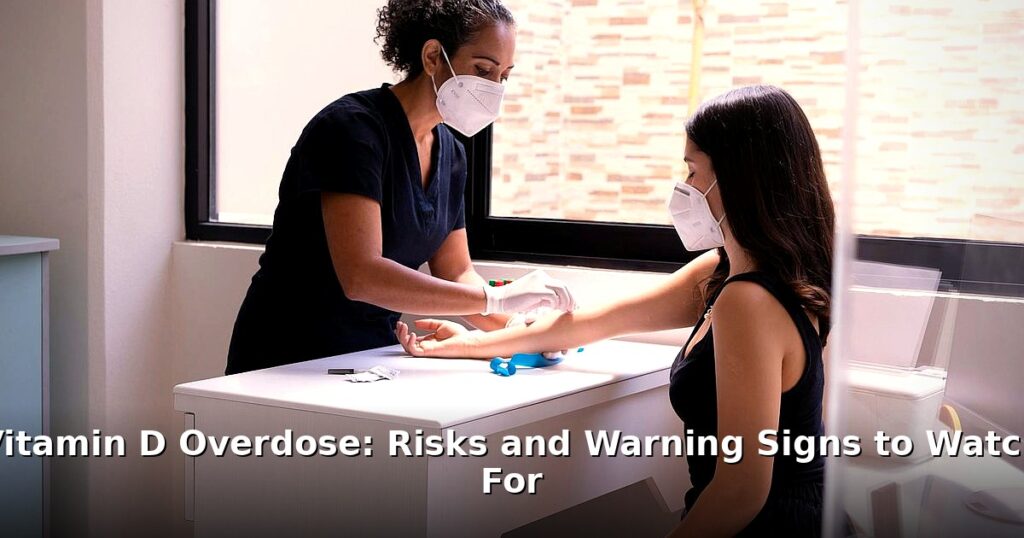
Here’s what most people miss: The best way to determine your individual vitamin D needs is to get your vitamin D levels tested. A simple blood test can measure the amount of vitamin D in your blood. The results are typically reported in nanograms per milliliter (ng/mL) or nanomoles per liter (nmol/L). Optimal vitamin D levels are generally considered to be between 30 and 50 ng/mL (75-125 nmol/L). Levels above 100 ng/mL (250 nmol/L) are usually considered toxic. Big difference.
Interpreting these results and figuring out the correct dosage for supplementation should always be done in consultation with a doctor. Self-treating with high doses of vitamin D based on your own interpretation of the results is risky and could lead to vitamin D toxicity. A doctor can take into account your medical history, current medications, and lifestyle factors to determine the safest and most effective dosage for you.
I get my vitamin D levels checked once a year during my annual physical. It gives me peace of mind knowing where I stand and whether I need to adjust my supplementation.
who’s Most at Risk for Vitamin D Toxicity?
While anyone can develop vitamin D toxicity if they take excessive amounts of the supplement, certain individuals are at higher risk. These include:
- Individuals with certain medical conditions, such as hyperparathyroidism (a condition that causes excessive calcium production) and sarcoidosis (an inflammatory disease that can increase vitamin D sensitivity).
- People taking very high doses of vitamin D supplements without medical supervision.
- Those with impaired kidney function, as their kidneys may not be able to process and eliminate excess vitamin D effectively.
If you fall into any of these categories, it’s even more crucial to be cautious about your vitamin D intake and work closely with your doctor to monitor your levels. Pretty wild, right?
Treating Vitamin D Overdose and Preventing Future Problems
If you suspect you have a vitamin D overdose, the first step is to stop taking vitamin D supplements immediately. Then, see a doctor ASAP. Don’t wait.
Medical treatments for vitamin D toxicity typically involve:
- Intravenous (IV) fluids to help flush excess calcium from your system.
- Medications, such as corticosteroids or bisphosphonates, to lower calcium levels in the blood.
- A low-calcium diet to reduce further calcium absorption.
Preventing future problems is all about being informed and proactive. Here’s how:
- Consult with a doctor before starting any vitamin D supplementation.
- Get your vitamin D levels tested regularly, especially if you’re taking supplements.
- Stick to the recommended daily intake unless otherwise directed by your doctor.
- Be wary of products that contain extremely high doses of vitamin D.
Also, be sure to check the National Institutes of Health (NIH) Vitamin D fact sheet for the latest recommendations. Just something to think about.
Frequently Asked Questions
What are the symptoms of too much vitamin D?
Symptoms of vitamin D toxicity can include nausea, vomiting, weakness, frequent urination, bone pain, and kidney problems. In severe cases, it can lead to irregular heartbeat and kidney damage.
How much vitamin D is too much?
The upper tolerable limit for vitamin D is 4,000 IU (International Units) per day for adu. Butver, individual needs vary, and some people may experience toxicity at lower doses. Always consult with a doctor to determine the appropriate dosage for you.
Can you get too much vitamin D from sunlight?
it’s very difficult to get too much vitamin D from sunlight alone because your body regulates the amount of vitamin D it produces in response to sun exposure.
What happens if you have high levels of vitamin D?
High levels of vitamin D can lead to hypercalcemia (elevated calcium levels in the blood). This can cause various symptoms, including nausea, vomiting, weakness, and in severe cases, kidney damage and heart problems.
How is vitamin D toxicity treated?
Treatment for vitamin D toxicity typically involves stopping vitamin D supplementation, reducing calcium intake, and possibly receiving intravenous fluids and medications to lower calcium levels under medical supervision.
Vitamin D is undoubtedly essential for good health, but it’s crucial to remember that more isn’t always better. By understanding the risks of vitamin D overdose and taking a balanced, informed approach to supplementation, you can reap the benefits of this vital nutrient without putting your health at risk. Talk to your doctor, get your levels checked, and stay safe!