

The roar of the crowd faded to a stunned silence as Ilia Malinin, the ‘Quad God’ himself, hit the ice. Not once, but twice. The darling of the figure skating world, the one expected to usher in a new era of impossible jumps, saw his Olympic dream dissolve in a matter of minutes. This wasn’t the script anyone had written. This wasn’t the Ilia Malinin Olympic fall we anticipated.
Malinin entered the Olympics with the weight of expectation squarely on his young shoulders. He’d built a reputation as a jumping prodigy, routinely landing quads that other skaters wouldn’t even dare to attempt. He wasn’t just pushing boundaries; he was obliterating them. The anticipation was palpable. Would he deliver on the biggest stage of them all? Could he handle the immense pressure?
His program began with confidence, a soaring melody underscoring his every move. But then, the first quad attempt. A stumble, a fight for control, and then, the sickening thud of his body hitting the ice. You could feel the collective gasp from the audience. He got up, shook it off, and launched into another quad. This time, the landing was even worse. Another fall. The disappointment was etched on his face, a stark contrast to the cocky grin we’d come to expect. Analyzing the replays, it was clear that both jumps suffered from slight under-rotations and edge issues, the kind of tiny errors that get magnified under the Olympic microscope. The impact on his score was devastating. From a potential gold medal contender, he was suddenly fighting to stay in the top ten. You might also enjoy: MLB’s ABS Challenge System: New Guidelines for 2026 Season. You might also enjoy: Beaudry & Cizeron’s Olympic Ice Dance Win: Was It Controversial?.

Shaidorov’s Surprise Gold: A New Star Rises
While Malinin’s performance crumbled, another skater was quietly piecing together a masterpiece. Mikhail Shaidorov, a name not many had penciled in for the top spot, skated with a composure and precision that defied his underdog status. Shaidorov isn’t exactly a nobody; he’s been steadily climbing the ranks, but he lacked the explosive quad power that dominates so much of modern men’s figure skating. He didn’t need it. He was about to show everyone that there’s more than one way to win.
I’ll be honest — Shaidorov’s program wasn’t flashy, but it was clean. Exceptionally clean. He landed every jump, including a beautiful triple axel and several intricate combination jumps, with seemingly effortless grace. His transitions were , his artistry captivating. He wasn’t just executing elements; he was telling a story. And the judges were listening. His score steadily climbed, surpassing skater after skater. The tension in the arena grew with each successful landing. Could he actually do it? Could he snatch the gold from the jaws of the ‘Quad God’ and the other heavily favored contenders?
The reaction to Shaidorov’s win was a mixture of shock and delight. Here was a skater who had stayed true to the fundamentals, who had prioritized precision and artistry over sheer power, and he had been rewarded for it. It was a reminder that in figure skating, consistency and a well-rounded program can still triumph, even in the age of the quad. This was definitely one of those unexpected Olympic results that people will be talking about for years. It’s easy to see why his victory is inspiring aspiring skaters all over the world!
The Free Skate Drama: Upsets and Standout Performances
The men’s free skate was a rollercoaster of emotions. Several other skaters faltered under the pressure, succumbing to nerves and making uncharacteristic mistakes. The intense scrutiny, the weight of national pride, the knowledge that this was their one shot at Olympic glory – it all took its toll. Some buckled; others rose to the occasion.
The scoring was a complex web of technical scores and component scores, with every jump, spin, and step sequence meticulously evaluated. The standings shifted dramatically after each performance, creating a palpable sense of drama. One minute a skater was in medal contention; the next, they were out of the running. The pressure was immense, and it was fascinating to watch how each athlete responded.
Beyond Malinin’s struggles and Shaidorov’s triumph, there were other notable performances. One skater, who had been plagued by injuries in the lead-up to the Olympics, delivered a gutsy performance, pushing through the pain to land several difficult jumps. Another skater, a relative newcomer to the international scene, surprised everyone with his artistry and musicality. While they didn’t win medals, they left a lasting impression, proving that the Olympics is about more than just the final score; it’s about the journey, the dedication, and the unwavering pursuit of excellence. The drama of the free skate really showed how unpredictable the skating competition can be.
The Quad Conundrum: Risk, Reward, and the Future of Skating
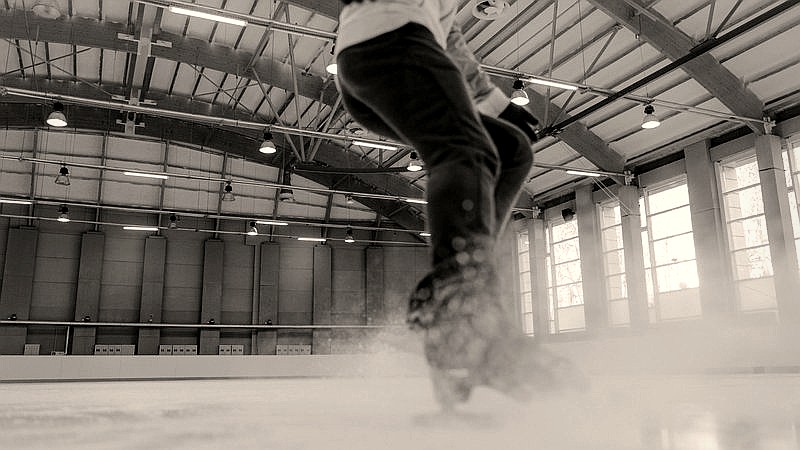
The Ilia Malinin Olympic fall raises a crucial question: has the pursuit of quad jumps gone too far? Are skaters sacrificing consistency and artistry in their relentless quest to land the most difficult elements? There’s no denying that quad jumps have d men’s figure skating. They’ve raised the technical bar to unprecedented heights, forcing skaters to push the limits of what’s physically possible. But they also carry a significant risk. A failed quad can be devastating, both in terms of points and confidence.
The debate rages on: should skaters prioritize consistency over attempting difficult elements? Should they focus on perfecting their artistry and musicality, even if it means sacrificing some technical difficulty? There’s no easy answer. Some experts argue that quad jumps are essential for winning in modern figure skating, that skaters simply can’t afford to leave them out of their programs. Others believe that a well-rounded program with strong artistry and clean execution can still be competitive, even without a plethora of quads. Shaidorov’s gold medal win certainly lends credence to this argument. He demonstrated that you don’t need to be a ‘Quad God’ to reach the top of the podium.
Looking ahead, it’s likely that quad jumps will continue to play a major role in men’s figure skating. But perhaps skaters will become more strategic in their approach, carefully weighing the risks and rewards of each jump. Maybe we’ll see a shift towards programs that balance technical difficulty with artistry and consistency. Only time will tell. One thing’s for sure: the quest for the perfect program will continue to drive innovation and push the boundaries of the sport.
Reactions and Repercussions: Picking Up the Pieces
The reactions to Malinin’s performance were a mix of disappointment and support. Coaches and commentators expressed sympathy for the young skater, acknowledging the immense pressure he faced. Many fans took to social media to offer words of encouragement, reminding him that even the greatest athletes experience setbacks. There was also a sense of concern, a worry that this experience could damage his confidence and derail his career. But Malinin is young, incredibly talented, and he’s shown resilience before. I wouldn’t bet against him bouncing back stronger than ever. The world expects him to dominate the quad jumps.
Shaidorov’s gold medal win was met with widespread celebration. Coaches and commentators praised his composure, consistency, and artistry. Fans marveled at his unexpected triumph, hailing him as a new star in the figure skating world. There was also a sense of gratitude, a recognition that his victory had reminded everyone of the importance of a well-rounded program. Shaidorov’s win wasn’t just a personal triumph; it was a victory for the art of figure skating itself.
The truth is, What’s next for Malinin and Shaidorov? For Malinin, the focus will be on regrouping, reassessing his strategy, and regaining his confidence. He’ll need to learn from this experience, to use it as motivation to become an even stronger skater. He has the potential to achieve greatness, but he needs to find a way to balance his ambition with consistency and mental fortitude. As for Shaidorov, his future is bright. He’ll undoubtedly receive more attention and opportunities, and he’ll have the chance to prove that his Olympic gold was no fluke. He’ll also become a role model for aspiring skaters who believe that artistry and consistency can still triumph in the age of the quad. This win should affect his rankings and future opportunities positively, but he needs to perform at a high level in the next skating competition.
This Olympic competition has already shaken up the figure skating world. The results have challenged assumptions, sparked debates, and reminded everyone of the unpredictable nature of the sport. What happens next? Only time will tell, but one thing’s for sure: the world will be watching.
Frequently Asked Questions
Q: What happened to Ilia Malinin at the Olympics?
Fair warning: A: Ilia Malinin, known for his quad jumps, unfortunately fell twice during his free skate program at the Olympics. This significantly impacted his score and his chances of medaling.
Q: who’s Mikhail Shaidorov?
A: Mikhail Shaidorov is a figure skater who unexpectedly won the gold medal at the Olympics. He delivered a clean and consistent performance, capitalizing on mistakes made by other competitors.
Q: Are quad jumps necessary to win in figure skating?
A: Quad jumps have become increasingly important in men’s figure skating, but consistency and overall program quality also matter. While quads can earn a skater a lot of points, clean programs with strong artistry can still be competitive, as demonstrated by Shaidorov’s win.