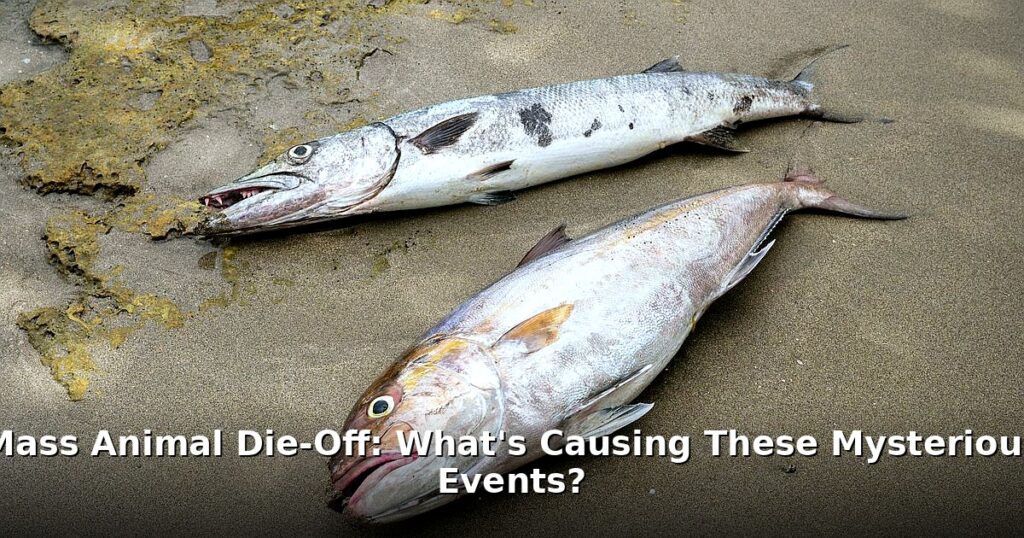

The air hung thick with the stench of decay, a grim reminder of the fragility of life. Thousands of fish, bellies up, coated the shoreline. It wasn’t a localized incident; reports poured in from across the globe – birds falling from the sky, bats succumbing to a mysterious white-nose syndrome, and marine mammals washing ashore in droves. These weren’t isolated events. This was a mass animal die-off, and it felt like a warning siren for the planet.
Unprecedented Wildlife Mortality: A Growing Global Crisis
We’re facing an escalating crisis of wildlife mortality. The frequency and scale of mass animal die-off events are increasing at an alarming rate, impacting species across the board – from the smallest insects to the largest whales. These events aren’t just tragic for the animals involved; they’re a symptom of a much deeper ecological malaise. They threaten to unravel the intricate web of life that sustains our planet.
Think about it. We’ve seen massive die-offs of migratory birds, likely due to exhaustion and starvation linked to changing weather patterns. Amphibians are particularly vulnerable, with fungal diseases decimating populations worldwide. Coral reefs, the rainforests of the sea, are bleaching and dying due to ocean acidification and warming waters, impacting countless marine species. And the bees…well, their plight is practically a household concern now. These aren’t isolated incidents; they’re interconnected threads in the ecosystem collapse. You might also enjoy: Y Chromosome Loss: Why It Matters As Men Age. You might also enjoy: GLP-1 Drugs and Scurvy: Is Vitamin C Deficiency a Risk?.
The ecological consequences of these die-offs are potentially catastrophic. The loss of keystone species can trigger cascading effects throughout the food chain, disrupting ecosystem functions and leading to further biodiversity loss. Pollination, seed dispersal, and nutrient cycling – all vital processes for a healthy planet – are threatened. We need to understand the root causes of these events and act decisively to prevent further devastation.
Potential Culprits: What’s Behind the Die-Offs?
Pinpointing the exact cause of a mass animal die-off can be incredibly challenging. Often, it’s a combination of factors working in concert, making it difficult to isolate a single culprit. However, several key drivers consistently emerge in these investigations.
Infectious diseases are a major concern. Fungal infections, like the devastating white-nose syndrome in bats, can spread rapidly through populations, leading to massive mortality. Viral outbreaks, such as morbillivirus in marine mammals, can also have devastating effects. The close proximity of animals in certain environments, coupled with weakened immune systems due to stress and malnutrition, can create the perfect storm for disease outbreaks.
Environmental toxins and pollution also play a significant role. Pesticides, heavy metals, and industrial waste can contaminate habitats, poisoning wildlife directly or disrupting their endocrine systems and weakening their immune systems. Neonicotinoid pesticides, for instance, have been linked to declines in bee populations and other beneficial insects. Plastic pollution, which is everywhere these days, can also have devastating impacts on marine life, leading to entanglement, ingestion, and starvation.
And then there’s climate change. It’s a magnifying glass, amplifying existing threats and creating new ones. Habitat loss, extreme weather events, and ocean acidification are all consequences of a changing climate, and they’re all contributing to wildlife mortality. Rising temperatures can alter migration patterns, disrupt breeding cycles, and increase the spread of disease. Extreme weather events, like droughts and floods, can directly kill animals or destroy their habitats. Ocean acidification, caused by the absorption of excess carbon dioxide from the atmosphere, threatens marine life by making it difficult for shellfish and corals to build their shells and skeletons. It’s a complex web, and we’re only beginning to understand the full extent of the damage.
Look, Other factors, such as habitat fragmentation, invasive species, and direct human activities like hunting and poaching, also contribute to the problem. Habitat fragmentation isolates populations, making them more vulnerable to disease and genetic bottlenecks. Invasive species can outcompete native species for resources, disrupt food webs, and introduce new diseases. And of course, the illegal wildlife trade continues to threaten many species with animal extinction.
Investigating the Causes: The Science Behind the Mystery
What surprised me was that When a mass animal die-off occurs, a team of scientists springs into action. Think of them as disease detectives, piecing together clues to unravel the mystery. Their work is critical for understanding the causes of these events and developing strategies to prevent future occurrences.
Okay, so The investigation typically begins with field studies, where scientists collect data on the affected species, their habitat, and any potential environmental stressors. They’ll document the number of dead animals, their age and sex, and any visible signs of disease or injury. They’ll also collect samples of water, soil, and vegetation to test for toxins and pollutants. I always think of it as a very grim CSI episode, but with more mud and fewer witty one-liners.
Necropsies, or animal autopsies, are a crucial part of the investigation. These examinations can reveal valuable information about the cause of death, such as the presence of disease, parasites, or toxins. Tissue samples are often sent to laboratories for further analysis, including genetic testing and toxicology screening.
Identifying the specific cause of a die-off can be incredibly challenging, especially when multiple factors are involved. It requires a multidisciplinary approach, bringing together the expertise of veterinarians, ecologists, toxicologists, and other specialists. Collaboration is key to solving these mysteries and developing effective conservation strategies.
The ‘We Let It Slip’ Factor: Our Role in Wildlife Decline
It’s uncomfortable, but we have to acknowledge our role in this crisis. Human activities are a major driver of wildlife decline, making animal populations more vulnerable to die-offs. Our actions have far-reaching consequences, and it’s time we took responsibility for our impact on the planet.
Habitat destruction is a primary concern. As we clear forests, drain wetlands, and build cities, we’re destroying the homes of countless animals. This habitat loss reduces their access to food, water, and shelter, making them more susceptible to disease and starvation. Pollution, in all its forms, is another major threat. Air and water pollution can directly harm wildlife, while noise pollution can disrupt their communication and behavior.
Climate change, of course, is the elephant in the room. Our reliance on fossil fuels is driving global warming, leading to rising sea levels, extreme weather events, and other environmental changes that threaten wildlife populations. We need to transition to a more sustainable energy system to mitigate the impacts of climate change and protect our planet.
Overexploitation, including overfishing and illegal wildlife trade, also contributes to the problem. Many species are being harvested at unsustainable rates, pushing them closer to animal extinction. We need to implement stricter regulations and enforcement to protect these vulnerable populations.
It all boils down to this: we need to embrace responsible environmental stewardship. We need to recognize that we’re part of the natural world, not separate from it. And we need to act in a way that protects the health and well-being of both people and planet.
Protecting Our Wildlife: What Can Be Done?
The good news is that we’re not powerless in the face of this crisis. There are concrete steps we can take to prevent and mitigate mass mortality events and protect our wildlife.
Disease surveillance is crucial. By monitoring wildlife populations for signs of disease, we can detect outbreaks early and implement control measures to prevent them from spreading. This requires investment in research, infrastructure, and trained personnel.
Habitat restoration is another important strategy. By restoring degraded habitats, we can provide wildlife with the resources they need to thrive. This includes planting trees, restoring wetlands, and removing invasive species. It’s not a quick fix, but it’s a vital long-term investment.
Pollution control is essential. We need to reduce our use of pesticides, heavy metals, and other pollutants that can harm wildlife. This requires implementing stricter regulations, promoting sustainable agricultural practices, and investing in cleaner technologies.
Conservation organizations and government agencies play a vital role in protecting wildlife populations. They conduct research, manage protected areas, and enforce environmental regulations. We need to support these organizations and advocate for stronger environmental policies.
And what can you do? Plenty! Even small changes in your daily habits can make a big difference. Reduce your consumption of single-use plastics, support sustainable products, and conserve energy. Advocate for stronger environmental policies at the local, state, and national level. Educate yourself and others about the importance of wildlife conservation.
Look, Before making any significant lifestyle changes, though, please consult your doctor. I know I sound like a broken record, but it’s always best to get professional medical advice.
A Personal Note on Connecting with Nature
I’ll never forget the time I saw a bald eagle soaring over a pristine lake. It was a breathtaking sight, a reminder of the power and beauty of the natural world. Moments like these remind me why it’s so important to protect our wildlife. It’s not just about saving species; it’s about preserving the wonder and inspiration that nature provides.
I encourage you to spend time in nature, whether it’s a walk in the park, a hike in the mountains, or simply sitting under a tree in your backyard. Connect with the natural world, appreciate its beauty, and reflect on its fragility. The more we connect with nature, the more likely we’re to protect it.
We can’t afford to stand idly by while mass animal die-off events become the new normal. We need to take collective action to protect our wildlife and preserve our planet for future generations. The time to act is now.
Frequently Asked Questions
what’s a mass animal die-off?
A mass animal die-off is an event where a significant number of animals from the same species die within a relatively short period and in a defined area. These events can be caused by various factors, including disease, pollution, climate change, and habitat loss.
Why are mass animal die-offs happening more frequently?
Several factors contribute to the increasing frequency of mass animal die-offs, including habitat loss, pollution, climate change, and the spread of infectious diseases. Human activities play a significant role in exacerbating these threats to wildlife populations.
What can I do to help prevent mass animal die-offs?
You can help prevent mass animal die-offs by reducing your environmental impact, supporting conservation organizations, advocating for stronger environmental policies, and educating others about the importance of wildlife conservation. Even small changes in your daily habits can make a big difference.