
Eileen Gu, a name that’s become synonymous with freestyle skiing brilliance, absolutely dominated the Beijing 2022 Winter Olympics. But her quest for medals wasn’t without its challenges. The Eileen Gu Olympic schedule was packed to the brim, pushing her to her limits and leading her to express a desire for more support. Let’s unpack the whirlwind that was her Olympic experience.
Eileen Gu’s Medal-Filled Olympic Gauntlet
Gu, also known as Gu Ailing, entered the Beijing 2022 Winter Olympics as a global sensation. Representing China, she set her sights on competing in not one, not two, but three different freestyle skiing events: halfpipe, slopestyle, and big air. This ambition was unprecedented. While athletes often dabble in multiple disciplines, to be a serious contender in all three is a different beast entirely. It demands a rare blend of skills, stamina, and mental fortitude.
And she delivered! Gu walked away with gold in both the halfpipe and big air, and a silver in slopestyle. This was an absolutely historic achievement, solidifying her status as a superstar. But achieving this feat wasn’t easy. You might also enjoy: Ilia Malinin’s Olympic Fall: Shaidorov Skates to Gold. You might also enjoy: MLB’s ABS Challenge System: New Guidelines for 2026 Season.
The pressure on Gu was immense. As a prominent figure representing China on home soil, the weight of expectation was palpable. Every jump, every trick, every landing was scrutinized. She navigated this pressure cooker with grace and skill, but that doesn’t mean it wasn’t there.
The Multi-Discipline Juggling Act
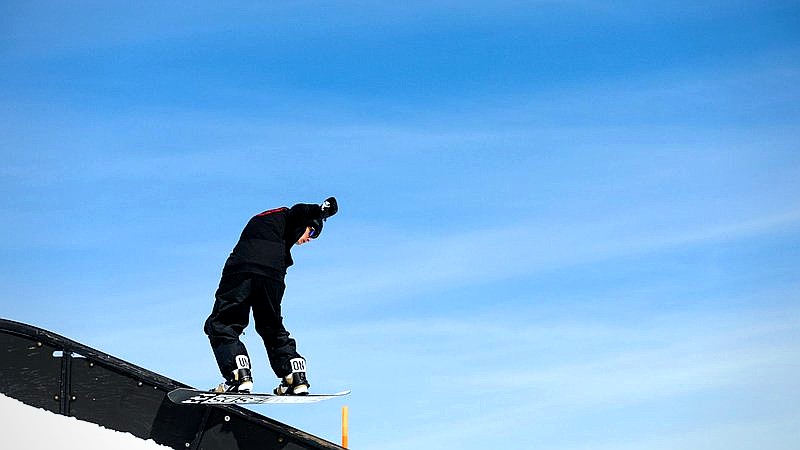
Here’s the thing — What made Gu’s Winter Olympics feat so impressive? It boils down to the distinct demands of each discipline. Halfpipe requires smooth transitions, massive air, and technical tricks performed within the confines of a U-shaped snow structure. Slopestyle, on the other hand, is all about creativity and flow, linking tricks over a series of rails, jumps, and other features. Big air is a single, massive jump where athletes huck their biggest and most technical tricks. Talk about variety!
Each event demands a unique skillset. A slopestyle specialist might focus on rail tricks and creative line selection, while a halfpipe rider prioritizes amplitude and technical rotations. Big air is a blend of both, emphasizing raw athleticism and risk-taking. Switching between these disciplines requires constant adjustments in technique and mindset.
Real talk: And it’s not just about technical skills. The physical and mental toll of competing at this level is immense. Each run requires explosive power, precise coordination, and unwavering focus. The risk of injury is ever-present, and the mental pressure to perform can be crushing. Now, imagine doing all that across three different events with limited recovery time between them.
The schedule was brutal. The qualifying rounds and finals were packed tightly together, leaving little room for rest or recovery. This meant Gu had to manage her energy carefully, prioritize her training, and make smart decisions about which tricks to attempt. One bad landing in big air could affect her performance in the halfpipe final. It’s a high-stakes balancing act.
“I Could Use Some Help”: Gu’s Plea for Support
Okay, so Amidst the excitement and celebration, Eileen Gu made some candid comments about the challenges she faced. She admitted that she felt stretched thin and that she could have used more support during her Olympic campaign. “I’m not going to lie, it’s tough,” she said in one interview. “Competing in three events is physically and mentally draining, and I definitely feel like I could use some help.”
What kind of help was she referring to? It’s likely a combination of things. Additional coaching could have helped her refine her technique and strategize for each event. More physiotherapy could have aided in recovery and injury prevention. Mental preparation and support could have helped her manage the pressure and maintain her focus. Let’s not forget, she was only 18 years old at the time. The athlete workload must have been immense.
Gu’s comments shine a light on the broader discussion of athlete well-being. We often focus on the medals and the glory, but it’s easy to forget the human cost of athletic achievement. Athletes aren’t machines; they have physical and emotional limits. Recognizing and addressing these limits is crucial for their long-term health and success.
The Olympic Grind: Too Much, Too Soon?
Gu’s experience raises a critical question: are we pushing Olympic athletes too hard? The pursuit of excellence is admirable, but where do we draw the line between pushing boundaries and endangering well-being? The Beijing 2022 Games highlighted just how demanding the schedule can be, particularly for athletes competing in multiple events.
The Olympics are a pressure cooker. The stakes are high, the competition is fierce, and the world is watching. This environment can push athletes to achieve incredible things, but it can also take a toll on their physical and mental health. Finding a balance between athletic achievement and athlete health is crucial. We want to see athletes perform at their best, but not at the expense of their long-term well-being.
What surprised me was that What are some potential solutions? One option is to limit the number of events athletes can enter. This could help reduce the overall workload and allow them to focus their energy on their strongest disciplines. Another option is to provide more comprehensive support services, including coaching, physiotherapy, mental health counseling, and nutritional guidance. The IOC and individual sports federations need to prioritize athlete well-being and create a supportive environment.
It’s not just about skiing. Look at swimmers like Michael Phelps or Katie Ledecky, who consistently compete in multiple events. Or track and field stars who double up in sprints and relays. These athletes also face immense pressure and a demanding schedule. We need to learn from their experiences and create a system that supports athletes without compromising their health.
Fanfare and Friction: The Reaction to Gu’s Situation
Real talk: Eileen Gu’s performance and her comments about needing more support sparked a wide range of reactions. Fans were generally supportive, praising her incredible achievements and expressing sympathy for the challenges she faced. Many recognized the immense pressure she was under and applauded her honesty.
However, some critics questioned whether Gu was being ungrateful or demanding. They argued that she had already received a great deal of support and that she should be focused on celebrating her success. Others debated the fairness of allowing athletes to compete in multiple events, arguing that it gives an unfair advantage to those with greater resources and support systems.
Other athletes and coaches weighed in on the debate. Some echoed Gu’s concerns about the demanding schedule and the need for more support. They shared their own experiences of feeling overwhelmed and stressed during the Olympics. Others argued that competing in multiple events is part of the challenge and that athletes should be prepared for the demands of the competition.
Look, Ultimately, the question of whether Gu received the support she needed is a complex one. It’s clear that she faced immense pressure and a demanding schedule. Whether the available resources were sufficient is a matter of debate. But it’s undeniable that her comments have sparked an important conversation about athlete well-being and the need for more support in elite sports.
The Future of Gu Ailing: A Freestyle Force
What does the future hold for Eileen Gu? At a young age, she’s already achieved more than most athletes can dream of. She’s a global icon, a role model, and a force to be reckoned with in freestyle skiing.
Her potential for continued success is immense. She has the talent, the drive, and the work ethic to dominate the sport for years to come. Whether she continues to compete in all three disciplines or focuses on her strongest events remains to be seen. But one thing is certain: she’ll continue to push the boundaries of what’s possible in freestyle skiing.
Gu’s impact on freestyle skiing and the Winter Olympics is undeniable. She’s inspired a new generation of athletes, particularly in China, and she’s brought more attention to the sport than ever before. Her success has also sparked important conversations about athlete well-being and the need for more support in elite sports. She isn’t just a champion skier; she’s an agent for change.
Frequently Asked Questions
Q: What events did Eileen Gu compete in at the Olympics?
A: Eileen Gu competed in three freestyle skiing events at the Olympics: halfpipe, slopestyle, and big air.
Q: Why did Eileen Gu say she needed more help?
A: Eileen Gu expressed needing more support, likely referring to the mental and physical demands of competing in multiple events with limited recovery time during the Olympics.
Q: what’s Gu Ailing’s nationality?
A: Eileen Gu, also known as Gu Ailing, represents China in freestyle skiing at the Olympics.