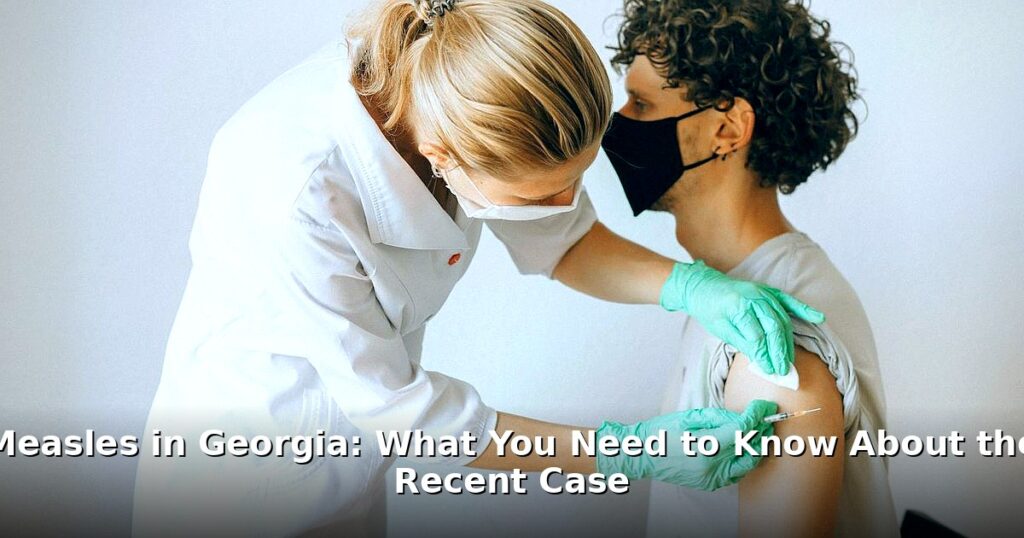

A confirmed case of measles in Georgia has public health officials on alert. Remember measles? It was supposed to be a thing of the past. Unfortunately, it’s making a comeback, and that’s something we need to take seriously. Here’s what you need to know to protect yourself and your family.
Measles Case Confirmed in Georgia: What Happened?
The Georgia Department of Public Health recently announced a confirmed case of measles. The individual resides in the metro Atlanta area, and preliminary investigations suggest the infection may be travel-related – they likely contracted the virus while abroad. While specific details about the person’s age and exact location are being kept confidential to protect their privacy, officials are working to identify and contact anyone who may have been exposed. This involves tracing the person’s movements and notifying healthcare facilities and other locations they visited while contagious.
The Georgia Department of Public Health is urging residents to ensure they’re up-to-date on their MMR vaccine (measles, mumps, and rubella) to prevent further spread. Why all the fuss? Well, measles is one of the most contagious diseases known to humankind. It spreads like wildfire. You might also enjoy: Fall Asleep Fast? 9 Strengths of People Who Sleep Quickly. You might also enjoy: Ultra-Processed Foods: How They Mess With Your Gut Microbiome.

What are the Symptoms of Measles?
Knowing the measles symptoms is crucial for early detection and preventing its spread. The illness typically begins with a cluster of cold-like symptoms. Think fever, often high, a hacking cough, runny nose (or coryza, if you want to get technical), and red, watery eyes (conjunctivitis). These initial symptoms usually last for several days.
The telltale sign of measles is, of course, the rash. It usually appears 3-5 days after the initial symptoms. The rash starts as flat, red spots on the face at the hairline and then spreads downward to the neck, trunk, arms, and legs. Small raised bumps may also appear on top of the flat red spots. As the rash spreads, the spots may merge together. Another early sign, though not always present, are tiny white spots with bluish-white centers called Koplik’s spots that appear inside the mouth, usually on the inner lining of the cheeks. These spots usually show up 1-2 days before the rash.
Typically, symptoms appear about 7-14 days after exposure to the virus. But the window can vary. If you suspect you or someone you know has measles, contact a doctor immediately. Don’t wait. Early diagnosis is key to preventing serious complications and stopping further transmission.
How Contagious is Measles, Really?
Let’s talk about how contagious measles really is. The reproduction number, or R0 value, of measles is incredibly high – between 12 and 18. This means that one infected person can potentially infect 12 to 18 other people in a completely susceptible population. That’s… a lot. For comparison, the R0 of COVID-19 was estimated to be around 2.5 to 3 in its initial stages. Big difference.
Measles spreads through airborne droplets produced when an infected person coughs or sneezes. These droplets can hang in the air for up to two hours after the infected person has left the room. You don’t even need to be in direct contact with someone who has measles to catch it. Just breathing the same air can be enough. And that’s why it spreads so easily, especially in places like schools, daycare centers, and hospitals.
A person with measles is contagious from about four days before the rash appears to four days after. So, someone can be spreading the virus before they even know they have it. This prolonged period of contagiousness further contributes to its rapid spread. Isolation is critical. Staying home when you’re sick, especially with something as contagious as measles, protects others.
Measles Prevention: The Power of the MMR Vaccine
The MMR vaccine is incredibly effective at preventing measles. Two doses of the MMR vaccine are about 97% effective at preventing measles; one dose is about 93% effective. That’s pretty darn good! It’s one of the most successful vaccines ever developed, and it’s been instrumental in reducing measles cases worldwide.
The recommended vaccination schedule for children includes the first dose of the MMR vaccine at 12-15 months of age and the second dose at 4-6 years of age. This two-dose schedule provides long-lasting immunity against measles, mumps, and rubella. But what about adults? Adults who were never vaccinated or who only received one dose of the MMR vaccine should get vaccinated. Especially if you’re traveling internationally, working in healthcare, or attending college. Basically, anyone at higher risk of exposure should ensure they’re fully vaccinated.
Common side effects of the MMR vaccine are generally mild and may include fever, mild rash, and soreness or redness at the injection site. Serious side effects are very rare. The benefits of the vaccine far outweigh the risks. Concerned? Talk to your doctor. They can address any concerns you might have about the MMR vaccine and help you make an informed decision.
In Georgia, you can get vaccinated at your doctor’s office, local health departments, and some pharmacies. Contact your healthcare provider or your local health department to schedule an appointment.
What to Do If You Think You’ve Been Exposed to Measles
Think you’ve been exposed to measles? Time is of the essence. If you suspect you’ve been exposed, the first thing you should do is contact your doctor immediately. But here’s a crucial point: don’t go to the waiting room! Call ahead and inform them of your potential exposure so they can take precautions to prevent further spread. Many doctor’s offices have a separate entrance or room they can use in such cases. And that matters.
If you’re unvaccinated, talk to your doctor about post-exposure prophylaxis. This might involve getting the MMR vaccine or immunoglobulin (antibodies) to help prevent or lessen the severity of the illness. The MMR vaccine can be effective if given within 72 hours of exposure, while immunoglobulin can be effective if given within six days of exposure.
Whether you receive post-exposure prophylaxis or not, monitor yourself closely for symptoms for at least 21 days after exposure. That’s the maximum incubation period for measles. If you develop any symptoms, such as fever, cough, runny nose, or rash, isolate yourself immediately and notify your doctor.
And if you test positive for measles, inform your close contacts – family members, friends, coworkers – so they can take appropriate measures to protect themselves and others. Transparency is key to containing the outbreak.
Why Measles is Still a Threat: Vaccine Hesitancy
Despite the availability of a safe and effective vaccine, measles remains a threat due to vaccine hesitancy. Misinformation and distrust in vaccines have led to decreased vaccination rates in some communities, creating pockets of susceptibility where measles can easily spread. These pockets put everyone at risk, not just the unvaccinated.
Let’s debunk some common myths about the MMR vaccine. The most infamous one, linking the MMR vaccine to autism, has been thoroughly debunked by numerous scientific studies. there’s absolutely no credible evidence to support this claim. Other myths include the idea that vaccines are unnecessary or that they contain harmful ingredients. Again, these claims aren’t supported by scientific evidence. Vaccines are rigorously tested and monitored to ensure their safety and effectiveness.
For accurate information about vaccines, consult reputable sources like the Centers for Disease Control and Prevention (CDC) and the World Health Organization (WHO). These organizations provide evidence-based information and resources to help you make informed decisions about your health.
Ultimately, measles prevention depends on herd immunity. This occurs when a large percentage of the population is immune to a disease, either through vaccination or prior infection, which protects those who aren’t immune. When vaccination rates drop, herd immunity weakens, making it easier for diseases like measles to spread. It’s not just about protecting yourself; it’s about protecting the vulnerable members of our community who can’t be vaccinated, such as infants and people with certain medical conditions.
Frequently Asked Questions
Is measles dangerous?
Look, Yes, measles can be very dangerous, especially for young children and adults with weakened immune systems. Complications can include pneumonia, encephalitis (brain swelling), and even death. Vaccination is the best way to protect against severe illness.
How is measles spread?
Measles spreads through the air when an infected person coughs or sneezes. The virus can remain infectious in the air for up to two hours after an infected person leaves a room, making it highly contagious.
What should I do if my child has a fever and rash?
Contact your pediatrician immediately, especially if your child hasn’t been vaccinated against measles or has been exposed to someone with measles. It’s crucial to seek medical advice promptly to determine the cause and receive appropriate care.
This recent measles in Georgia case serves as a stark reminder of vaccination and vigilance. Don’t let misinformation cloud your judgment. Talk to your doctor, get the facts, and make informed decisions to protect yourself and your community. After all, our collective health depends on it.