


Ever wake up with a damp pillow? We’ve all been there. Drooling while sleeping happens. It’s often just a minor, albeit slightly embarrassing, part of being human. But sometimes, excessive drool at night might be your body’s way of waving a little red flag. Could it be a sign of something more than just sleeping with your mouth open?
Table of Contents
Is Drooling While Sleeping Normal?
Yep, usually it’s! Occasional saliva pooling during sleep isn’t cause for alarm. Our bodies are pretty amazing, and saliva in digestion, even when we’re catching Z’s. Think of it as your mouth doing its prep work for the next meal. Production doesn’t simply shut off when you fall asleep.
Normally, your swallowing reflex kicks in and keeps that saliva in check. It’s supposed to, anyway. But that reflex isn’t always working perfectly while you’re in dreamland. Which means some drool might escape. No biggie. Check out our guide on Dreams and Health: Sleep Doctors Decode Dream Meanings. We covered this in Brain Stretching: Dementia Prevention and Cognitive Health.
Why Am I Drooling So Much When I Sleep?
So, what turns a little nighttime dribble into a Niagara Falls situation? Several factors can contribute to excessive drool at night.
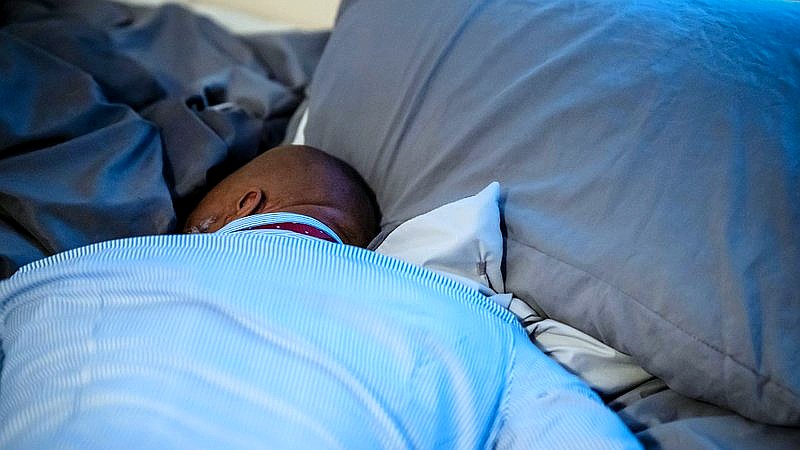
- Sleeping Position: Side sleepers and stomach sleepers, listen up! These positions make it easier for saliva to escape your mouth. Gravity isn’t your friend here.
- Sinus Infections and Allergies: Got a stuffy nose? When nasal congestion forces you to breathe through your mouth, drooling becomes almost inevitable. Trust me, I know this all too well during allergy season. I wake up feeling like I need a new pillow!
- Medications: Certain medications can have the side effect of increasing saliva production. It’s always a good idea to review your medications with your doctor or pharmacist, especially if you notice new or worsening symptoms.
- Neurological Conditions: In some cases, conditions like Parkinson’s disease or cerebral palsy can affect muscle control, making it difficult to swallow properly. This can lead to increased drooling, both during the day and at night.
These are a few possibilities. Then again, it’s important to remember that everyone’s different, and what’s normal for one person might not be for another.
Drooling While Sleeping and Sleep Apnea: Is There a Link?
There’s definitely a connection between drooling and sleep apnea. Sleep apnea, a condition characterized by pauses in breathing during sleep, can significantly impact your sleep quality and overall health. And it can make you drool more.
Here’s how it works: the obstructed airways common in sleep apnea often lead to mouth breathing. And you guessed it, mouth breathing = increased drooling. Plus, sleep apnea can disrupt your sleep patterns, making you less aware of what your body is doing – including that excess saliva escaping from your mouth.
If you suspect you might have sleep apnea (common symptoms include loud snoring, daytime sleepiness, and morning headaches), it’s crucial to get tested. Untreated sleep apnea can increase your risk of high blood pressure, heart disease, and stroke. You can learn more about sleep apnea from the National Heart, Lung, and Blood Institute. Not fun.
When Drooling Might Indicate a Serious Problem
Okay, let’s talk about when drooling while sleeping could be a sign of something more serious. While occasional drooling is usually harmless, a sudden increase in drooling, especially when accompanied by other symptoms, warrants a closer look. We’re talking about scenarios where your body is actively trying to tell you something isn’t right.
Here are some red flags to watch out for:
- Difficulty Swallowing (Dysphagia): This is a big one. If you’re having trouble swallowing food or liquids, and you’re also drooling more than usual, it could indicate a problem with your esophagus or the muscles involved in swallowing.
- Speech Problems or Facial Weakness: Slurred speech, difficulty forming words, or a noticeable weakness on one side of your face should never be ignored.
- Drooping of the Face: This is a classic sign of a stroke. If you notice sudden facial drooping, seek immediate medical attention. Seriously, don’t wait.
- Unexplained Weight Loss or Changes in Appetite: While not directly related to drooling, these symptoms, combined with excessive drooling, could point to an underlying medical condition that needs to be investigated.
it’s key to listen to your body. Big difference between a little nighttime drool and a concerning cluster of symptoms.
How to Reduce Drooling While Sleeping
Want to take control of your excessive drool at night? There are several strategies you can try to minimize saliva pooling during sleep and wake up with a drier pillow.
- Address Underlying Medical Conditions: If allergies or sinus infections are the culprits, treating them can significantly reduce nasal congestion and mouth breathing. Antihistamines, decongestants, or nasal sprays might help, but talk to your doctor before starting any new medications.
- Consider Changing Sleep Positions: As mentioned earlier, side and stomach sleeping can exacerbate drooling. Try training yourself to sleep on your back. It might take some getting used to, but it can make a difference.
- Mouth Exercises to Improve Muscle Tone: Strengthening the muscles around your mouth and throat can improve your ability to swallow and control saliva. A speech therapist can recommend specific exercises tailored to your needs.
- Talk to Your Doctor About Medications: If you suspect that one of your medications is increasing saliva production, discuss it with your doctor. They might be able to adjust the dosage or switch you to an alternative medication.
Sometimes, it’s a process of trial and error to find what works best for you. But it’s worth the effort to improve your sleep quality and wake up feeling refreshed (and dry!).
When to See a Doctor About Excessive Drooling
So, when is it time to seek professional help for drooling while sleeping? As a general rule, if you’re concerned about the amount you’re drooling, or if it’s accompanied by other troubling symptoms, it’s always best to err on the side of caution and consult a doctor.
Here are some specific situations where a doctor’s visit is warranted:
- Any concerns about underlying medical conditions
- Persistent drooling that interferes with sleep or daily life
- Accompanying symptoms such as difficulty swallowing or speech problems
- Neurological symptoms such as weakness or numbness
Your doctor can evaluate your symptoms, perform any necessary tests, and determine the underlying cause of your excessive drooling. From there, they can recommend the most appropriate course of treatment. Early diagnosis and treatment can often prevent more serious complications down the road.
Frequently Asked Questions
Is drooling while sleeping a sign of a serious illness?
Occasional drooling is normal, but excessive drool at night, especially with other symptoms, could indicate an underlying medical condition. Consult a doctor if you have concerns.
Why do I drool when I sleep on my side?
Side sleeping makes it easier for saliva to escape your mouth since gravity isn’t working in your favor to keep it down. It’s a common reason people experience more saliva pooling during sleep. Not even close.
Can sleep apnea cause drooling?
Yes, drooling and sleep apnea are linked. The obstructed airways often lead to mouth breathing, which increases saliva leakage. Untreated sleep apnea has other serious consequences so get tested if you suspect you have it.
What can I do to stop drooling while sleeping?
Try addressing potential causes like allergies or sinus infections. Changing sleep positions and doing mouth exercises can also help. See your doctor if you’re concerned.
When should I see a doctor about drooling?
Consult a doctor if you experience a sudden increase in drooling, difficulty swallowing, speech problems, or other neurological symptoms. These could be signs of a more serious issue.
Ultimately, understanding your body and paying attention to changes is key. Drooling while sleeping might seem like a small thing, but it can sometimes be a clue to a bigger picture. So, listen to your body, address any underlying issues, and don’t hesitate to seek medical advice when needed. Sweet dreams – and dry pillows!