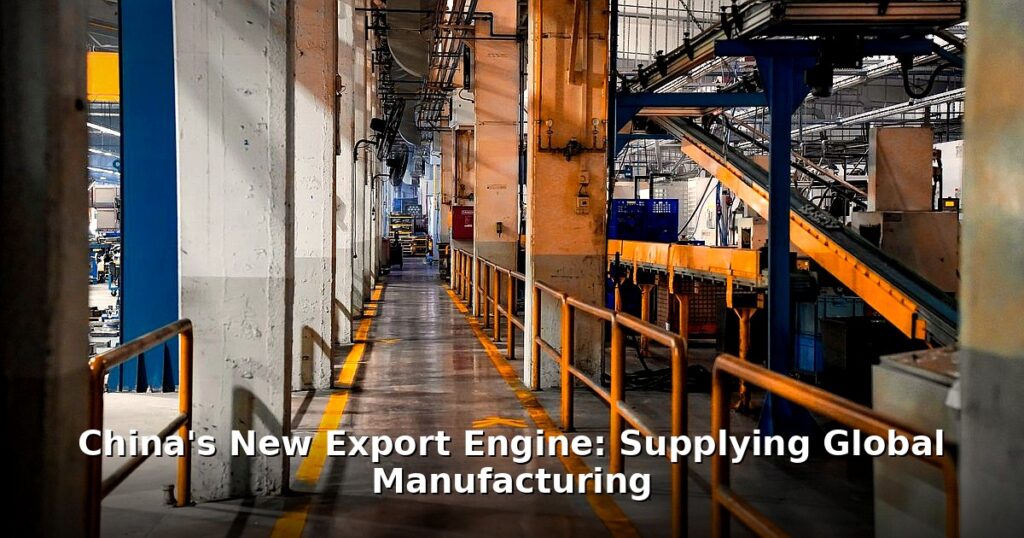

If you’ve been looking into China’s export engine, remember when “Made in China” almost exclusively meant a cheap plastic toy, a new smartphone, or that fast-fashion shirt you probably bought last week? For decades, China earned its moniker as the ‘world’s factory’ by churning out an astounding volume of finished consumer goods. From electronics to apparel, if you could buy it, there was a good chance it was manufactured, assembled, or at least packaged in China.
Table of Contents
- From Finished Goods to Factory Essentials: A Strategic Shift
- The Numbers Don’t Lie: Data Behind China’s Export Engine Evolution
- Beyond Low Cost: Innovation and Quality Driving China’s Supply Chain Role
- Global Implications: What China’s Export Engine Shift Means for Trade Partners
- Looking Ahead: The Future of Global Manufacturing and China’s Role
- Frequently Asked Questions
But something significant has been happening, quietly shifting the gears of global trade. We’re seeing a profound evolution in China’s export engine. It’s not just about the finished product anymore; it’s increasingly about the sophisticated parts and machinery that make those finished products possible. It’s a move up the value chain, making China a more resilient and, frankly, strategically indispensable player in global production.
Honestly, a few years ago, I wish I knew this sooner. Understanding this fundamental shift changes how you view those ‘Made in China’ labels, even if the final assembly happens somewhere else. It’s a much more nuanced story now. Check out our guide on Asian Tech Stocks Drop: SK Hynix Plunges After Wall Street AI Dip. We covered this in Yen Intervention: Decoding Japan’s Real Message to Markets.
From Finished Goods to Factory Essentials: A Strategic Shift
Think back to the late 20th and early 21st centuries. China’s economic miracle was largely built on its capacity to produce consumer goods at an unparalleled scale and competitive price. Factories hummed, producing everything from shoes and textiles to computers and toys for markets across the globe. This was China’s initial phase in global supply chains: the assembler, the mass producer.
That said, the narrative is changing. China is no longer content to just be the world’s assembly line. It’s becoming the world’s supply line for the factories themselves. We’re seeing a strategic pivot towards high-value, intermediate components and industrial machinery. This means parts for electric vehicles, sophisticated chemical precursors, advanced robotics, and precision instruments. Big difference.
Why does this matter so much? Because supplying these crucial inputs embeds China deeper into the global manufacturing process. It makes other nations dependent on Chinese industrial components export for their own production. It’s a move from being a low-cost assembler to a high-tech enabler.
This creates a more resilient role for China, less susceptible to simple ‘reshoring’ efforts often aimed at basic consumer goods. You can move a T-shirt factory, sure. But moving a complex semiconductor component plant or an advanced robotics assembly line? That’s a whole different ballgame.
The Numbers Don’t Lie: Data Behind China’s Export Engine Evolution
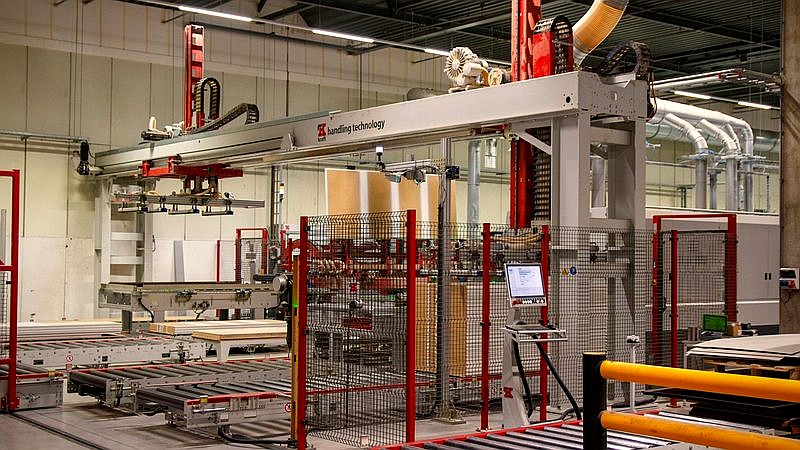
You might not expect this, but The evidence for this China manufacturing shift isn’t anecdotal; it’s in the trade data. While China still exports plenty of consumer goods, the growth in higher-value categories is striking. Look at the numbers for machinery, chemicals, and precision components. According to data from the General Administration of Customs, China’s exports of mechanical and electrical products, which include a vast array of intermediate goods, consistently outpace overall export growth in many periods. For instance, in the first quarter of 2023, these exports rose by 7.6% year-on-year.
The share of intermediate goods in China’s total exports has been steadily climbing. A report from the World Bank highlighted how China’s share of global exports of intermediate goods has seen significant growth, particularly in sectors like electronics and machinery. This isn’t just about small parts. It’s about sophisticated components like EV batteries, solar panel components, and the automation equipment that powers modern factories.
Consider the electric vehicle industry. China isn’t just selling finished EVs globally; it’s also a dominant supplier of the crucial components that go into those cars, regardless of where they’re assembled. Things like battery cells, rare earth magnets for motors, and various electronic control units. The same goes for solar power; China provides a massive percentage of the world’s solar panel components, from polysilicon to wafers and cells. You can read more about global trade flows from organizations like the World Trade Organization, and you’ll see these trends clearly reflected.
This has a profound impact on global manufacturing hubs. Factories in Southeast Asia, Europe, and even the Americas, often rely heavily on these Chinese inputs. They’re not just assembling; they’re integrating Chinese-made components into their own finished products. It’s a powerful and often overlooked aspect of global supply chains China.
Beyond Low Cost: Innovation and Quality Driving China’s Supply Chain Role
This shift isn’t just about China leveraging its existing manufacturing infrastructure. It’s deeply rooted in significant investment in domestic R&D and a tangible payoff in advanced manufacturing capabilities. For years, the stereotype was that China copied innovation. While that might have held some truth in the past, a massive push for homegrown innovation has changed the game.
China’s spending on R&D has soared, now rivalling or even surpassing that of other major global economies. This investment translates into improved engineering standards, better quality control, and the ability to produce highly specialized components that meet demanding international specifications. It’s not just ‘good enough’ anymore; it’s often .
A key trend here is ‘localization.’ Chinese companies are increasingly able to supply components that were once almost exclusively sourced from economic powerhouses like Japan, Germany, or the United States. Take, for example, high-precision industrial robots, advanced materials, or specialized machine tools. Chinese domestic firms are moving quickly into these spaces, often offering competitive pricing without sacrificing quality.
This presents both challenges and opportunities for international competitors. For some, it means intensified competition in high-value sectors. For others, it means potential partnerships or new sourcing options, especially for companies looking to diversify their supply chains beyond traditional Western suppliers. But make no mistake, the innovation coming out of China is real and impactful.
Global Implications: What China’s Export Engine Shift Means for Trade Partners
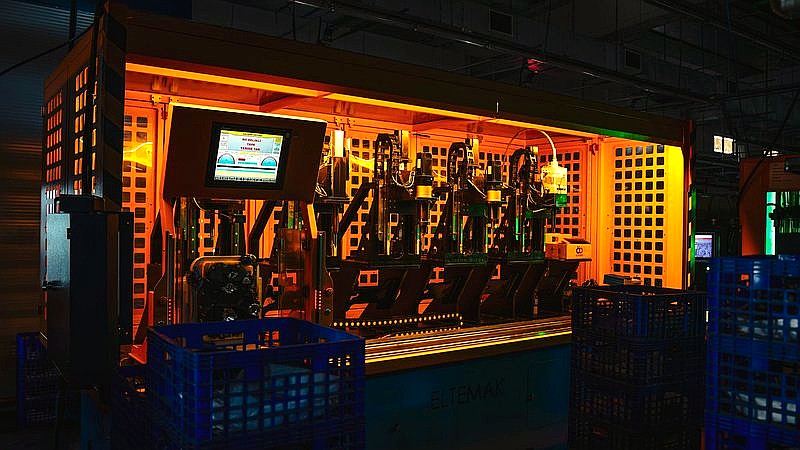
The implications of this new China’s export engine are vast and complex. On one hand, many countries are becoming increasingly reliant on Chinese components. This can create efficiencies and cost reductions for global manufacturers, who can access advanced, competitively priced inputs. It’s hard to argue with better value.
But this reliance also introduces potential vulnerabilities. If trade tensions flare, or if there are disruptions within China (say, due to another pandemic or natural disaster), the ripple effects across global supply chains could be severe. A single choke point in the supply of a critical component can bring entire industries to a halt in other nations. This is a big concern for policymakers and business leaders trying to build resilience.
The geopolitical angle is impossible to ignore. This shift gives China significant economic . Its role in industrial components export shapes trade relations and economic policy worldwide. Countries will have to balance the benefits of sourcing from China with strategic considerations about national security and economic independence.
Look, For consumers, this affects product availability and pricing indirectly. If a key component for your next smartphone or electric car comes solely from China, any disruption there could mean higher prices or longer waits. Conversely, efficient Chinese production can keep prices lower. It’s a double-edged sword, really.
Looking Ahead: The Future of Global Manufacturing and China’s Role
What does the future hold? We can likely expect further specialization and technological advancement from China. The country is pouring resources into areas like AI, biotechnology, and advanced materials, positioning itself to lead in future industrial ecosystems. This isn’t just about making things; it’s about inventing the next generation of industrial tools and components. Pretty wild, right?
We’ll probably see the rise of new industrial ecosystems centered around Chinese innovation, potentially drawing in other developing nations into its orbit. Think of the Belt and Road Initiative, but for industrial technology. This isn’t just trade; it’s an economic integration strategy. Huge.
I’ll be honest — Of course, risks abound. Trade tensions, especially with the US and Europe, remain a concern. Intellectual property protection continues to be a hot-button issue. And despite the efficiencies, many nations are still actively trying to reduce their reliance on any single source for critical components, leading to ongoing efforts in supply chain resilience. This often involves ‘friend-shoring’ or ‘near-shoring,’ though the sheer scale and sophistication of Chinese manufacturing make it hard to fully replace.
For businesses and investors, understanding this evolving landscape is crucial. Diversifying supply chains, staying abreast of technological developments in China, and assessing geopolitical risks are no longer optional. they’re fundamental to strategic planning. This isn’t financial advice, but it’s common sense: informed decisions come from understanding the big picture.
Frequently Asked Questions
Q: What does ‘intermediate goods’ mean in the context of China’s exports?
A: Intermediate goods are products used as inputs in the production of other goods. For China, this means exporting items like specialized machinery, electronic components, or chemical precursors that other countries then use to create their finished products, rather than just exporting the finished product itself.
Q: How is China’s new export strategy different from its old one?
A: Historically, China was known for exporting a vast array of finished consumer goods, often at a low cost. The new strategy sees China shifting towards exporting higher-value, more technologically advanced intermediate goods and industrial components, essentially supplying the building blocks for other nations’ factories.
Q: What industries are most affected by China’s shift to exporting intermediate goods?
A: Industries globally that rely on inputs for manufacturing, such as electronics, automotive, renewable energy (solar, EV batteries), chemicals, and advanced machinery production, are significantly affected. They become more reliant on China for critical components.
Q: Does this shift make global supply chains more or less resilient?
A: This shift can create a more complex picture for supply chain resilience. While it might offer cost efficiencies and access to advanced components, increased reliance on a single major supplier (China) for crucial inputs could also introduce new vulnerabilities if disruptions occur.