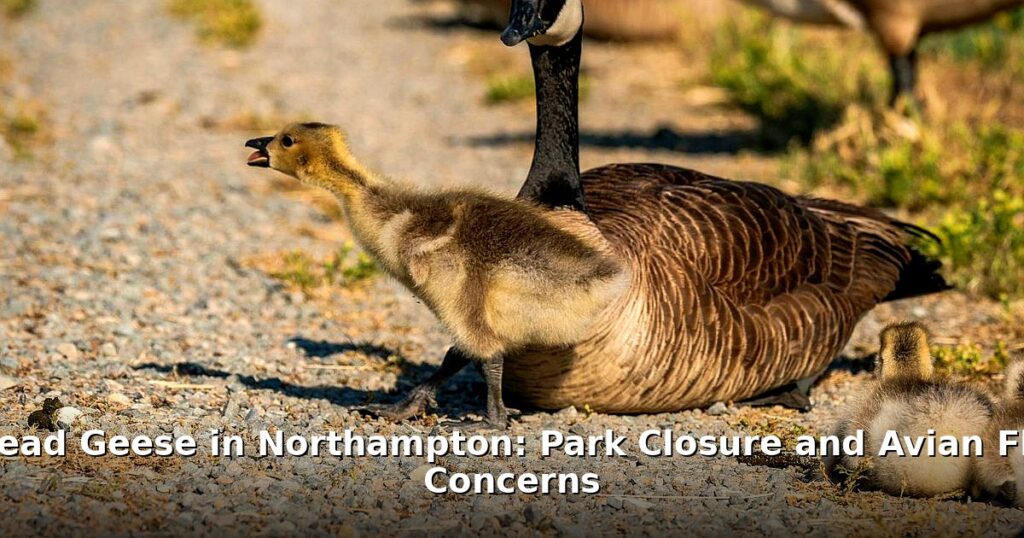

Something’s amiss in Northampton County. What started as a normal spring outing to the park turned alarming when park-goers began discovering dead geese. And now, a popular park is closed as officials investigate the cause of death, with avian flu being a primary concern.
Northampton Park Shuts Down After Geese Deaths
The closure affects the main section of Northampton County Park, a beloved spot for families, dog walkers, and nature enthusiasts. Over the past week, more than a dozen dead geese have been found within the park’s boundaries, prompting swift action from local authorities. The initial discovery led to immediate notifications to the Pennsylvania Game Commission and the Pennsylvania Department of Agriculture.
Park officials have stated that the closure is a precautionary measure, designed to protect both the public and the remaining wildlife in the area. The timeline unfolded rapidly: reports of the first few dead birds came in early last week, followed by a steady increase in the number of reported deaths. This prompted the decision to close the park until further notice. Big difference from a week ago. You might also enjoy: mRNA Vaccines: Durable T Cell Immunity in TNBC, Personalized Approach. You might also enjoy: Measles Exposure at Upstate Walmart: What You Need to Know.
The response has been coordinated between various agencies. The Game Commission is collecting the dead geese for testing, while park staff are focused on sanitizing public areas. It’s a serious situation, and everyone is working to understand the scope of the problem.
Suspected Cause: Is Avian Flu to Blame?
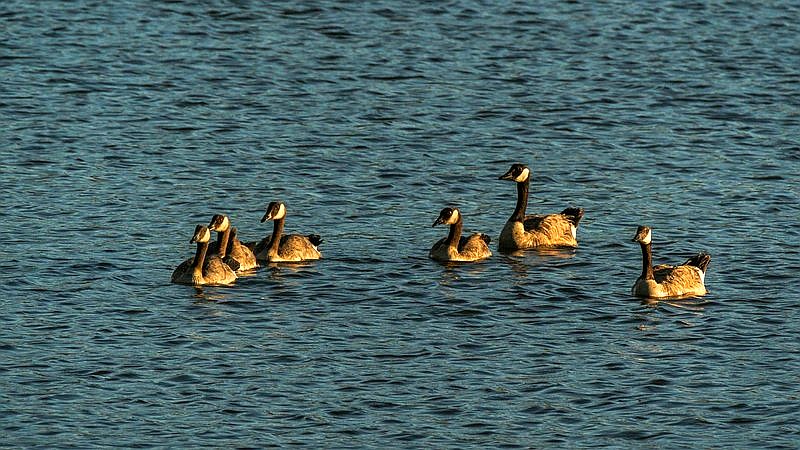
The primary suspect in this unsettling situation is highly pathogenic avian influenza (HPAI), often referred to as bird flu. HPAI is a highly contagious viral disease that can affect various species of birds, including waterfowl like geese. It can spread rapidly through bird populations, leading to high mortality rates. Not great.
Real talk: The Pennsylvania Department of Agriculture’s Veterinary Laboratory is conducting tests on the collected carcasses to confirm whether avian flu is indeed the culprit. These tests involve analyzing samples from the birds to detect the presence of the virus. Results are expected within the next few days. Until then, it’s all speculation.
What are the symptoms of avian flu in birds? Infected birds may exhibit a range of signs, including:
- Sudden death
- Lack of energy and appetite
- Decreased egg production
- Soft-shelled or misshapen eggs
- Swelling of the head, eyelids, comb, and wattles
- Purple discoloration of the wattles, comb, and legs
- Nasal discharge, coughing, and sneezing
- incoordination
- Diarrhea
If you observe these symptoms in wild birds, it’s crucial to avoid contact and report your observations to the appropriate authorities.
What Are the Risks to Humans?
Okay, let’s address the question on everyone’s mind: can humans get sick from avian flu? While it’s possible for humans to contract the virus, it’s relatively rare. Human infections typically occur through close, prolonged contact with infected birds or their droppings. Most human cases have been linked to poultry farms or live bird markets where exposure levels are significantly higher. And even then, it’s not super common.
The Centers for Disease Control and Prevention (CDC) considers the risk to the general public to be low. But that doesn’t mean you should throw caution to the wind. It’s still smart to take precautions. The CDC recommends the following:
- Avoid direct contact with wild birds, especially those that appear sick or are dead.
- If you must handle a dead bird (e.g., for disposal), wear gloves and wash your hands thoroughly afterward.
- Avoid touching surfaces that may be contaminated with bird droppings.
- Cook poultry and eggs thoroughly to kill any potential viruses.
When should you seek medical attention? If you develop flu-like symptoms (fever, cough, sore throat, muscle aches) within 10 days of handling a potentially infected bird, contact your doctor immediately. Be sure to inform them of your potential exposure to avian flu.
Protecting Your Pets: Precautions for Dog Owners
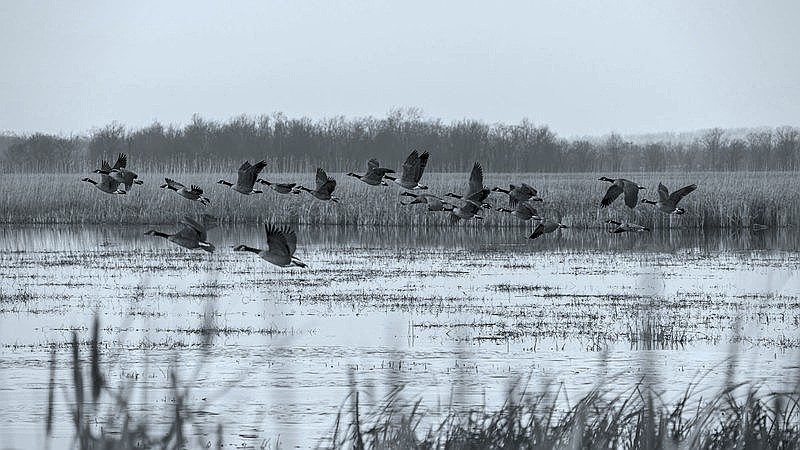
Our furry friends aren’t immune to the risks, either. Pets, particularly dogs and cats, can potentially contract avian flu if they come into contact with infected birds. Dogs, being naturally curious (and sometimes a bit too enthusiastic about sniffing things), are particularly vulnerable if they frequent areas where infected birds are present. I know my golden retriever would definitely try to “play” with a goose, even a sick one.
What can you do to protect your pets? Here’s some advice:
- Keep your dog on a leash in areas where wild birds are present, especially near bodies of water.
- Prevent your dog from approaching or interacting with wild birds, including dead ones.
- Avoid walking your dog in areas where dead geese or other birds have been reported.
- Wash your hands thoroughly after being outdoors, especially before handling your pet’s food or water.
What are the signs of avian flu in pets? Symptoms can vary, but may include:
- Lethargy and weakness
- Loss of appetite
- Coughing or sneezing
- Difficulty breathing
- Fever
If you notice any of these symptoms in your pet, contact your veterinarian immediately. Early diagnosis and treatment can improve the outcome. Not even close.
What Happens Next? Park Reopening and Ongoing Monitoring
The big question: when will Northampton County Park reopen? That’s tough to say for sure. Park officials are waiting for the results of the avian flu tests before making any decisions. Once the tests confirm the absence of the virus (or, conversely, determine the extent of the outbreak), a comprehensive cleaning and disinfection plan will be implemented. This will likely involve sanitizing all public areas, including playgrounds, picnic tables, and walking trails. Just something to think about.
The timeline for reopening will depend on the test results and the effectiveness of the disinfection efforts. Check the Northampton County Parks and Recreation website or their social media channels for the latest updates.
Ongoing monitoring of the bird population will be crucial. The Pennsylvania Game Commission will likely continue to survey the area for any signs of illness or mortality in wild birds. This will help to detect any new outbreaks early and prevent further spread of the animal disease.
How You Can Help Prevent the Spread
We all have a role to play in preventing the spread of avian flu. Here are some simple steps you can take:
- Report any sick or dead birds you find to your local animal control or wildlife agency. Don’t touch them!
- Avoid contact with wild birds and their droppings.
- Clean and disinfect bird feeders and bird baths regularly. This helps to prevent the build-up of harmful bacteria and viruses. I try to do mine at least once a month.
- If you keep poultry, practice good biosecurity measures to protect your flock from avian flu. This includes preventing contact with wild birds and maintaining strict hygiene practices.
By working together, we can help to protect both human and animal health.
Frequently Asked Questions
What should I do if I find a dead goose?
don’t touch the bird. Contact your local animal control or wildlife agency to report the finding. They will handle the situation and collect the bird for testing if necessary.
Can I get sick from avian flu?
While rare, it’s possible for humans to contract avian flu, typically through close contact with infected birds. The risk to the general public is considered low, but it’s still wise to take precautions and avoid contact with wild birds, especially if they appear sick or are found dead. And that matters.
When will the park reopen?
The park will likely reopen after testing is complete and the area has been properly disinfected. Check the Northampton County Parks and Recreation website or social media for updates on the reopening timeline.
The situation in Northampton County of vigilance animal disease outbreaks. While the risk to humans remains low, understanding the risks and taking simple precautions can protect ourselves, our pets, and our local wildlife. Stay informed, stay safe, and let’s hope for a swift resolution to this unsettling event.