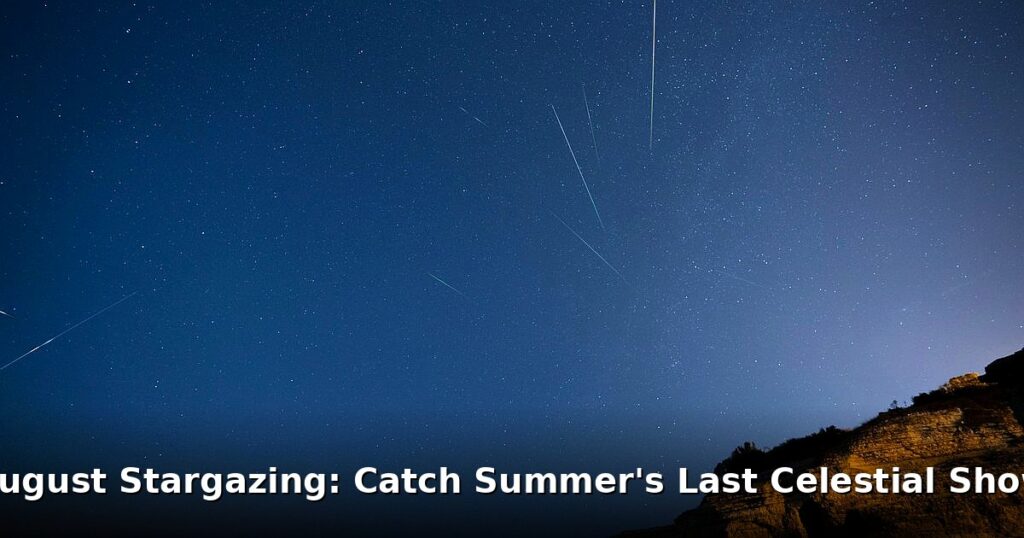

August. The month that feels like summer’s last hurrah. The swimming pools are still open, the grill’s still hot, but there’s a definite hint of autumn creeping into the mornings. It’s a bittersweet time, and honestly, that’s what makes August stargazing so incredibly special. It’s your final big chance to truly soak in the wonders of the night sky before the crisp, often cloudy, nights of fall and winter set in.
Table of Contents
I’ve spent countless summer nights squinting up at the heavens, sometimes from my own slightly-too-bright backyard, and other times from truly dark, remote spots. And I can tell you, there’s nothing quite like it. The sheer scale of it all just puts things in perspective, doesn’t it? Worth it.
Why August Stargazing Is a Must-Do
Let’s be real, who wants to be bundled up in a parka in January trying to spot constellations? Not me. August offers that perfect sweet spot for extended outdoor viewing. The nights are still gloriously warm, usually with a gentle breeze that keeps things comfortable. Check out our guide on Europa’s Hidden Ocean: More Water Than Earth, Key to Life?. We covered this in Blue Origin’s Launch Pad Blown Up: NASA to Host Rocket Testing.
And here’s a bonus, at least in my experience: the bugs tend to be a little less ferocious than they were in, say, June or early July. They’re still around, mind you, so don’t ditch the repellent. But those swarms of biting things often thin out a bit as the season winds down. This makes a huge difference when you’re trying to lay back and stare at one spot for twenty minutes straight. Just something to think about.
But the biggest reason to make time for August stargazing? It’s the last major celestial showcase before the fall chill descends. We’re talking about some truly spectacular events that you won’t want to miss. It’s like the universe’s grand finale for the summer season, a final burst of cosmic fireworks.
There’s a real sense of wonder that comes with watching a meteor streak across the sky or identifying a planet with your naked eye. It’s a connection to something much, much bigger than our daily routines. And honestly, we all need a little more of that, don’t we?
The Main Event: The Perseid Meteor Shower
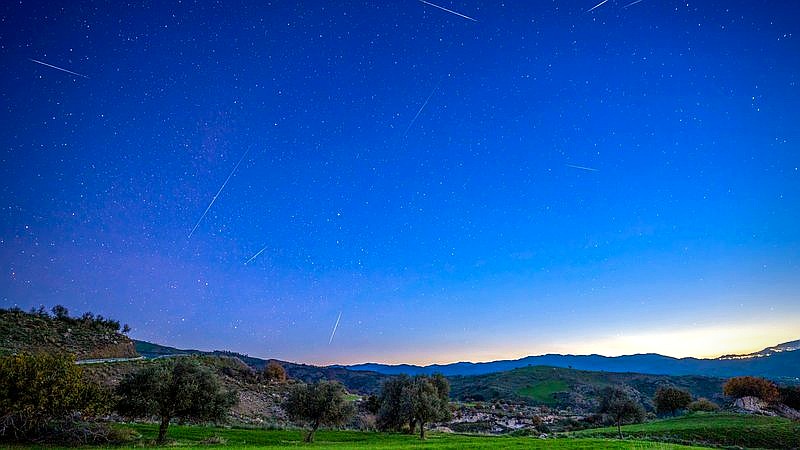
If you only do one thing this August, make it watching the Perseid meteor shower. This isn’t just any meteor shower; it’s one of the best and most reliable of the year. Every single year, without fail, it delivers a fantastic show.
What makes the Perseids so special? Well, they’re debris left behind by Comet Swift-Tuttle. As Earth makes its annual journey around the sun, it passes through this dusty trail. When these tiny bits of comet dust hit our atmosphere, they burn up, creating those glorious streaks of light we call meteors. And because the comet’s debris field is pretty consistent, so is the shower.
Peak Perseid Meteor Shower Viewing
For optimal Perseid meteor shower viewing, you’ll want to mark your calendars for mid-August. The specific peak dates can shift slightly each year, but generally, the nights around August 11th through the 13th are your best bet. And timing is everything. The very best time to catch the most meteors is usually after midnight, continuing right up until the first light of dawn. Your eyes will have had plenty of time to adjust to the darkness by then, and you’ll be on the side of the Earth facing into the meteor stream.
How many meteors can you expect? Under ideal, dark sky conditions, the Perseids can produce a ZHR (Zenithal Hourly Rate) of 60 to 100 meteors per hour. That’s a lot of shooting stars! Now, “ideal conditions” are key here. Light pollution and moonlight can significantly reduce that number, so keep your expectations realistic based on your viewing location.
Maximizing Your Meteor Shower Experience
Okay, so Here are my tried-and-true tips for maximizing your meteor shower experience: Not ideal.
- Find Dark Skies: This is paramount. Get as far away from city lights as possible. More on this later, but seriously, it’s the biggest factor.
- Patience is a Virtue: Don’t just look up for five minutes and give up. Your eyes need at least 20-30 minutes to fully adapt to the dark. And meteors come in bursts, so there might be lulls. Stick with it.
- Look Up, Not at a Specific Spot: You don’t need to look directly at the radiant (the point in the sky where the meteors appear to originate, which for the Perseids is in the constellation Perseus). In fact, meteors often appear longer and more dramatic when you look about 30-45 degrees away from the radiant. Just scan the whole sky.
- Get Comfortable: Lying flat on your back is best. A reclining lawn chair or a blanket on the ground will save your neck.
- Stay Warm: Even on a warm August night, sitting still for hours can make you feel chilly. Layers are your friend.
Beyond Meteors: Planets and Constellations to Spot
While the Perseids are the undisputed headliner for summer night sky events in August, there’s plenty more to see. The planets, in particular, often put on a fantastic show. Depending on the year and the specific dates, you might easily spot bright planets like Jupiter and Saturn with your naked eye. Jupiter, when it’s up, is usually unmistakable – a brilliant, steady ‘star’. Saturn, while not quite as bright, has a distinct yellowish glow. With a good pair of binoculars, you might even resolve Jupiter’s four largest moons or Saturn’s rings as a fuzzy oval.
And let’s not forget the constellations. August is prime time for viewing some of the most prominent summer constellations. Look for Lyra with its brilliant star Vega, Cygnus (the Swan) with Deneb, and Aquila (the Eagle) with Altair. Together, these three bright stars form what’s known as the Summer Triangle. It’s a huge, easy-to-spot asterism that dominates the high eastern sky after sunset. Once you find it, you can use it as a jumping-off point to locate other less obvious patterns.
Using Tools for Stargazing
Don’t be afraid to use modern tools! There are tons of fantastic star charts and free smartphone apps available that use your phone’s GPS to show you exactly what you’re looking at in the sky. Apps like SkyView Lite or Star Walk 2 are incredible for identifying planets, constellations, and even satellites. Just make sure to put your phone in “night mode” or “red light mode” so the bright screen doesn’t ruin your night vision.
One quick note on moonlight interference: a bright moon can really wash out fainter objects like nebulae or even some of the fainter meteors during a shower. If you’re hoping to catch some of those deeper sky objects, check the lunar phase calendar. A new moon phase offers the darkest skies, while a full moon can be a real hindrance. This is often why the best time to stargaze for specific events is planned around the moon’s cycle.
Your Stargazing Gear Checklist (It’s Simpler Than You Think)
People often think they need an expensive telescope to enjoy the night sky. Nope. Not at all. For most beginner stargazing tips, the equipment list is surprisingly minimal. You probably have most of it already.
The Essentials:
- A Comfortable Chair or Blanket: As I mentioned, lying back is key. A zero-gravity recliner is my personal favorite, but a simple lawn chair or a thick blanket works just fine.
- Red-Light Flashlight: This is CRUCIAL. White light will destroy your night vision instantly, forcing your eyes to readjust (which takes 20-30 minutes) every time you use it. A red-light flashlight allows you to see your gear, check a star chart, or walk around without blinding yourself or others. You can buy one, or simply put red cellophane over a regular flashlight.
- Bug Spray: Seriously. Don’t forget it. Even if the bugs are fewer, they’re still there.
- Water/Snacks: Stargazing can be a several-hour affair. Stay hydrated and fueled.
Optional Extras:
- Binoculars: While not strictly necessary, a good pair of 7×50 or 10×50 binoculars can really enhance your experience. They’ll bring the moon’s craters into sharp relief, show you some of Jupiter’s moons, and resolve larger star clusters. You don’t need anything fancy, just a decent pair.
- Thermos of Hot Cocoa/Coffee: Even in August, after midnight, a warm drink feels amazing.
- Pillow: For extra comfort if you’re lying on the ground.
What NOT to Bring:
- Bright White Lights: Leave them in the car or covered. This includes phone screens that aren’t in night mode.
- Loud Distractions: Keep voices down, and definitely no loud music. It’s about enjoying the quiet majesty of the universe.
- Expectations of Instant Gratification: Stargazing requires patience. It’s a slow burn, not a quick show.
And remember my earlier point about layers. Even if it’s 80 degrees at sunset, by 2 AM it can drop significantly, especially in open, rural areas. A light jacket or a sweatshirt can make a huge difference in your comfort level and how long you’ll want to stay out.
Finding Your Perfect Dark Sky Spot
This is often the trickiest part of successful stargazing, especially if you live near a city. Light pollution is a real buzzkill. It’s the excessive or misdirected artificial light that illuminates the night sky, making it harder to see fainter stars and celestial objects.
The good news is, there are tools to help. Websites like Light Pollution Map allow you to zoom in on your area and see just how much light pollution is around. The darker the color on the map, the better your chances of seeing the stars. Look for those dark green, blue, or even black zones.
Backyard vs. Rural Areas
Your backyard might be okay if you live in a sparsely populated suburban area and can turn off all your outdoor lights. But honestly, for truly spectacular viewing, especially for something like the Perseids, you need to get out of town. State parks, national forests, and designated dark sky parks are your best bet. These places are specifically protected from light pollution.
Pros of your backyard: convenience, access to your own bathroom, no driving. Cons: light pollution from neighbors, streetlights, and nearby towns. Pros of rural areas: incredible views, more meteors, better planet visibility. Cons: driving, potentially unfamiliar surroundings, no easy bathroom access.
A personal experience: I once tried to watch a meteor shower from my suburban backyard. Saw maybe two meteors in an hour. Drove 45 minutes to a state park the next night. Saw dozens. Big difference. The drive is always worth it.
Finally, safety first. Always tell someone where you’re going and when you expect to be back, especially if you’re heading to a remote location. If possible, go with a buddy. It’s not just safer; it’s also more fun to share the experience with someone. Bring a fully charged phone, just in case, even though you won’t be using it for light. Worth it.
So, as summer starts to wind down, don’t pack away your outdoor gear just yet. Instead, grab a blanket, a red flashlight, and find a dark spot. The universe is putting on a spectacular show this August, and it’s absolutely free. You just have to look up.
Frequently Asked Questions
When is the best time to see the Perseid meteor shower in August?
The Perseid meteor shower typically peaks around mid-August. Check specific dates each year, but generally, the nights around August 11-13 offer the most activity, especially after midnight and before dawn.
Do I need a telescope for August stargazing?
Absolutely not! Most meteor showers and many bright planets and constellations are best seen with the naked eye. A comfortable chair and a dark sky are far more important than any expensive equipment.
How can I reduce light pollution for better stargazing?
The best way is to drive away from urban centers to a rural area or a designated dark sky park. If that’s not possible, turn off all unnecessary outdoor lights at home and let your eyes adjust to the darkness for at least 20-30 minutes. No joke.
What’s the ‘Summer Triangle’ and how do I find it?
The Summer Triangle is an asterism formed by three bright stars from three different constellations: Vega (in Lyra), Deneb (in Cygnus), and Altair (in Aquila). Look high in the eastern sky after sunset during summer; it’s a very prominent pattern of three bright stars.
You can find more detailed information on meteor showers and other astronomical events from sources like NASA’s official website.