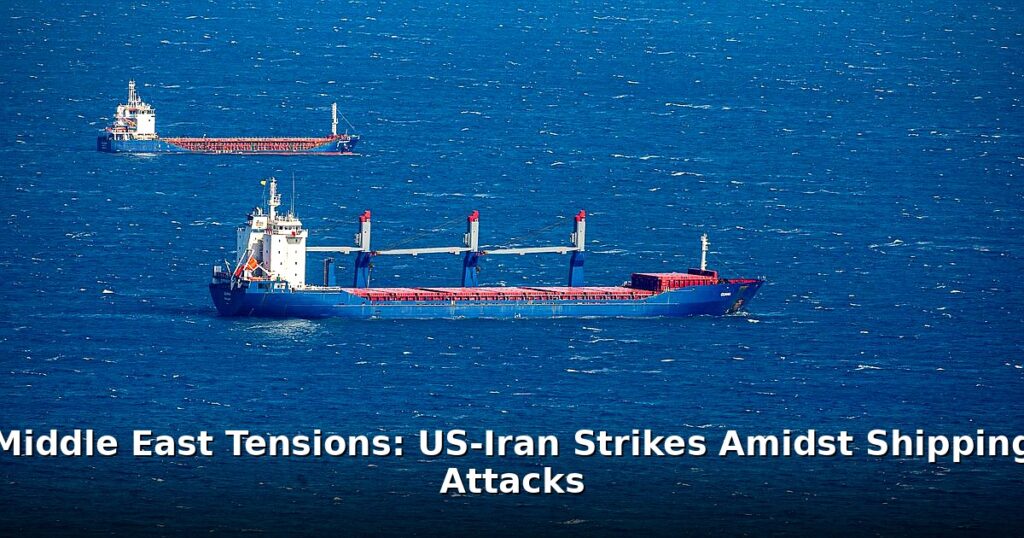

The smell of strong cardamom coffee always takes me back to a tiny souk in Oman, the air thick with spices and the murmur of Arabic voices. It was a place where ancient trade routes felt alive, where the rhythm of commerce had been unbroken for millennia. Now, thinking about the latest US Iran strikes and the escalating situation in the Red Sea, that memory feels miles away, almost like a relic from a different era. The news cycles are relentless, painting a picture of a region on the brink, and for those of us who appreciate the delicate dance of cultures and commerce in the Middle East, it’s a truly concerning development.
Table of Contents
Escalating Tensions: The Latest US Iran Strikes and Regional Dynamics
Recent weeks have seen a worrying surge in retaliatory actions, a tit-for-tat dynamic that feels increasingly dangerous. We’re talking about US and UK forces hitting Houthi targets in Yemen, followed by Iran launching its own strikes in Iraq, Syria, and even Pakistan. Then, of course, there were the US strikes in Iraq and Syria, targeting Iran-backed militias after a drone attack killed three American soldiers in Jordan. It’s a complex web, and each thread seems to pull tighter, drawing more players into a potentially volatile conflict.
The context for all this isn’t new, but it’s certainly intensified. The Red Sea and the Gulf of Aden have become flashpoints, with Houthi rebels, allegedly backed by Iran, launching drones and missiles at commercial vessels. Their stated aim? To show solidarity with Palestinians in Gaza. But the consequences stretch far beyond the immediate conflict, threatening to upend the delicate balance of regional stability in the Middle East. Check out our guide on NATO’s Future: Defense Spending Pledges Face the Trump Test. We covered this in Trump’s National Mall Address: Fireworks Light Up DC After Delay.
When you look at the specific targets, it’s clear there’s a strategic logic, however grim. The US and its allies say they’re striking Houthi missile launch sites, radar facilities, and drone storage areas – essentially trying to degrade their capability to attack shipping. Iran, on the other hand, claims its strikes against what it calls “terrorist headquarters” in Iraq and Syria are about national security, retaliating for past attacks on its soil. Their strike into Pakistan, targeting a separatist group, added another layer of complexity, drawing sharp condemnation from Islamabad. It feels like everyone is sending a message, but the messages are getting lost in the noise of explosions.
Commercial Shipping Under Fire: A Threat to Global Trade
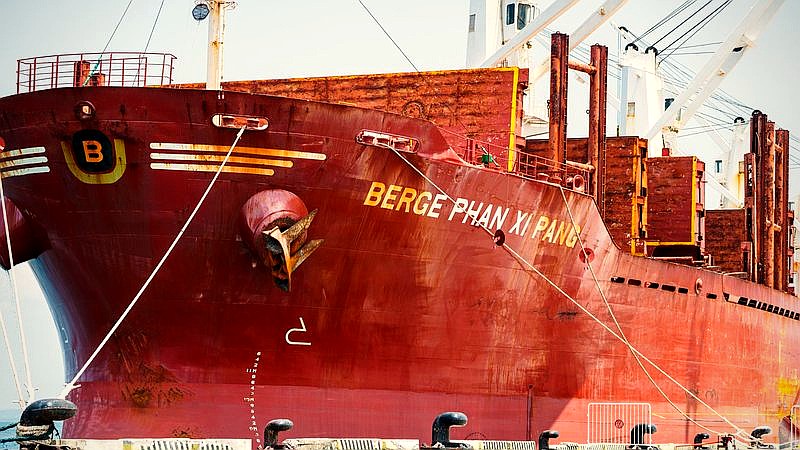
This isn’t just about geopolitics; it’s about the very real impact on our daily lives, on the products we buy, and the energy that powers our homes. The attacks on commercial vessels by Houthi rebels are no small matter. We’ve seen tankers hit, container ships targeted, and crews put in grave danger. These aren’t isolated incidents; they’re a deliberate campaign to disrupt international shipping lanes.
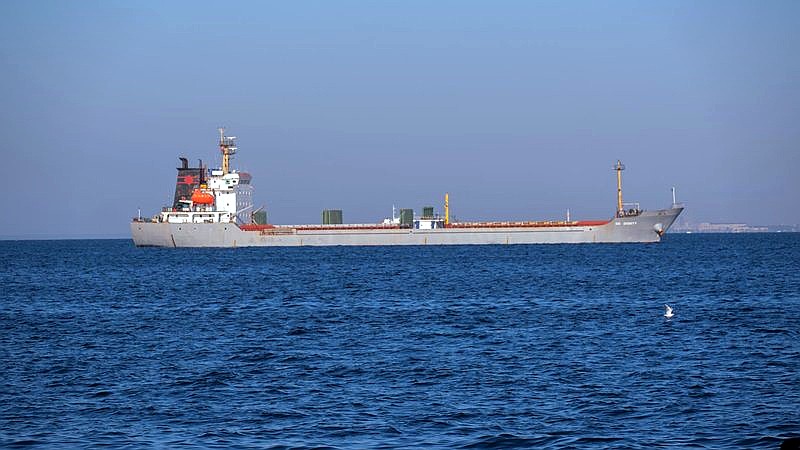
The ripple effect is already being felt. Major shipping companies are rerouting their vessels, choosing the much longer journey around the Cape of Good Hope instead of risking the Red Sea. This adds weeks to transit times, burning more fuel, and increasing operating costs. And who ultimately pays for that? We do, through higher prices for everything from electronics to clothing. Supply chains, already fragile from the pandemic, are straining under this new pressure. Insurance premiums for voyages through the region have skyrocketed, making it even more expensive to move goods.
The geography here is crucial. And the Strait of Hormuz, at the mouth of the Persian Gulf, and the Bab el-Mandeb Strait, connecting the Red Sea to the Gulf of Aden, are two of the most critical chokepoints for global commerce. A significant portion of the world’s oil and natural gas, along with countless other goods, passes through these narrow waterways. Any disruption there has immediate and far-reaching consequences for global trade shipping routes. It’s a sobering reminder of just how interconnected our world is, and how quickly regional conflicts can become global problems.
Geopolitical Ripples: How US Iran Strikes Affect Middle East Stability
Beyond the immediate shipping concerns, these US Iran strikes are stirring a much larger pot of regional power plays. You’ve got Iran and its network of proxy groups – Hezbollah in Lebanon, various militias in Iraq and Syria, and the Houthis in Yemen – challenging US influence and asserting their own regional dominance. The US, in turn, is trying to deter these groups while also maintaining its alliances with countries like Saudi Arabia and Israel. It’s a high-stakes game of chess, and every move has consequences for Middle East shipping security.
The influence on oil prices and energy markets is immediate and direct. When tankers are rerouted, or when there’s even a whiff of potential conflict in a major oil-producing region, the markets get nervous. We saw crude oil prices jump following the initial attacks and subsequent retaliations. While the market often adjusts, prolonged instability in the Red Sea and Gulf of Aden could lead to sustained higher energy costs globally. And that’s something everyone feels, from the gas pump to the grocery store.
Worth it.
The truth is, There’s also the very real concern about the potential for wider conflict. What starts as strikes against proxy groups could easily escalate, drawing major powers into direct confrontation. And the humanitarian consequences? We’ve already seen the devastating impact of prolonged conflict in Yemen, Syria, and Gaza. A broader regional war would be catastrophic, leading to immense human suffering and displacement. The thought of it makes my stomach churn, remembering the resilience of people I met in these lands, who’ve already endured so much.
International Responses and Calls for De-escalation
The world isn’t just watching; it’s reacting. International bodies like the United Nations have condemned the attacks on commercial shipping and called for restraint from all parties. Major world powers, including China and European nations, have urged de-escalation, recognizing the grave risks involved. It’s a tricky line to walk, condemning aggression while also trying to avoid pouring fuel on the fire.
Diplomatic efforts are underway, though they often feel like they’re playing catch-up to the rapidly unfolding events. There are proposals for ceasefires, calls for dialogue, and attempts to create secure corridors for shipping. But the challenges are immense. How do you ensure maritime security in waters contested by non-state actors? How do you negotiate with groups that don’t recognize established international norms? It’s not easy. Go figure.
Okay, so The US and its allies have launched Operation Prosperity Guardian, a multinational initiative aimed at protecting commercial vessels in the Red Sea. It’s a collective effort, bringing together naval forces from several countries to patrol the area and respond to threats. But even with increased naval presence, the vastness of the sea and the asymmetrical nature of the attacks make it a complex undertaking. The key, ultimately, will be a concerted international effort to address the root causes of the instability, not just the symptoms. Because until then, the waters remain choppy, and the path ahead, uncertain.
You can read more about international efforts to protect shipping lanes at The Maritime Executive or find detailed analysis on regional dynamics from sources like the Council on Foreign Relations.
Frequently Asked Questions
Why are commercial ships being attacked in the Red Sea?
Commercial ships are primarily targeted by Houthi rebels in Yemen, who claim solidarity with Palestinians in Gaza. These attacks aim to pressure international powers regarding the ongoing conflict.
what’s the US’s main objective with these strikes?
The US states its objectives are to deter further attacks on commercial shipping, protect freedom of navigation, and degrade the capabilities of groups threatening maritime security in the region.
How do these tensions affect global oil prices?
Increased instability in critical shipping lanes like the Red Sea can disrupt oil tanker routes, leading to longer transit times and higher insurance costs. This uncertainty often causes fluctuations and upward pressure on global oil prices.
Are other countries involved in protecting Red Sea shipping?
Yes, several countries, including the UK, are part of international coalitions like Operation Prosperity Guardian, aimed at protecting commercial vessels and deterring attacks in the Red Sea region. These efforts are crucial for maintaining Middle East shipping security and safeguarding global trade.