

When we talk about Ebola, our minds often jump to the devastating outbreaks we’ve seen on the news, particularly those caused by the Zaire ebolavirus. But what many people don’t realize is that “Ebola” isn’t just one single virus. It’s actually a family of viruses, and one of its lesser-known, yet equally dangerous, members is the Bundibugyo ebola virus. It’s a name that might not be as familiar, but it has left its own tragic mark, particularly in specific regions of Africa.
Table of Contents
I remember reading about the first identification of Bundibugyo and just how quickly it became clear that this was another serious threat. It’s a stark reminder that while global attention often focuses on the largest outbreaks, there are other silent battles being fought against these viral foes. Pretty wild, right?
what’s Bundibugyo Ebola Virus?
Let’s break down the science a little. The Ebolavirus genus is part of the Filoviridae family, which sounds fancy, but essentially means they’re filamentous, or thread-like, viruses. Within this genus, there are several distinct species. The big ones you might have heard of include Zaire ebolavirus (responsible for the largest and deadliest outbreaks), Sudan ebolavirus, Taï Forest ebolavirus, Reston ebolavirus (which doesn’t sicken humans, thankfully), and of course, Bundibugyo ebolavirus. Check out our guide on Moral Scrupulosity OCD: When Worrying You’re Bad Becomes Obsessive. We covered this in Congo Ebola Outbreak: CDC Warns of Potential Record Epidemic.
The Bundibugyo ebolavirus, often shortened to BDBV, is particularly nasty because it causes a severe hemorrhagic fever, much like its Zaire cousin. But it has its own unique genetic makeup. It was first identified in October 2007 during an outbreak in the Bundibugyo District of western Uganda. Researchers quickly realized this wasn’t one of the previously known ebolavirus types. It was new, and it was deadly. This discovery highlighted the ongoing challenge of emerging infectious diseases, especially in areas with limited surveillance.

Understanding Outbreaks in DRC and Uganda
The initial identification of BDBV in Bundibugyo, Uganda, was a wake-up call. The outbreak there saw 149 reported cases and 37 deaths, a case fatality rate of about 25%. Not great. Since then, the Bundibugyo ebola virus has continued to surface, primarily in Uganda and the Democratic Republic of the Congo (DRC). These aren’t isolated incidents either; they tend to follow patterns.
Subsequent outbreaks, like the one in Equateur Province of DRC in 2012, showed us that BDBV wasn’t just a one-off event. These regions share borders, cultural practices, and often, similar challenges in public health. Factors contributing to the spread of Bundibugyo ebola disease in these areas are complex and . We’re talking about things like high population density in certain areas, which can accelerate transmission. The healthcare infrastructure, while improving, can sometimes be overwhelmed, making it harder to isolate cases and trace contacts effectively.
And then there are cultural practices, which are incredibly important to understand and respect, but can also inadvertently contribute to spread. Traditional burial rites, for example, often involve close contact with the deceased, who remain highly infectious. Bushmeat consumption, too, plays a role, as bats are thought to be natural reservoirs for ebolaviruses. It’s a delicate balance of public health messaging and cultural sensitivity.
Recognizing the Signs: Symptoms and Transmission
The ebola symptoms Bundibugyo virus causes are, unfortunately, very similar to those of other ebolavirus types, making early diagnosis tricky without proper laboratory testing. Typically, symptoms appear anywhere from 2 to 21 days after exposure. The first signs are often sudden onset of fever, intense weakness, muscle pain, headache, and a sore throat. These are pretty common symptoms, right? That’s why it’s so hard to distinguish from malaria or typhoid in the early stages. Big difference.
I’ll be honest — As the disease progresses, patients might develop vomiting, diarrhea, a rash, impaired kidney and liver function, and in some cases, both internal and external bleeding. That’s the “hemorrhagic” part of hemorrhagic fever. It can be truly harrowing to witness.
The truth is, So, how does this virus spread? It’s not airborne, which is a common misconception and a huge relief. Transmission happens through direct contact with the blood or other bodily fluids (like urine, feces, vomit, saliva, sweat, semen, breast milk) of an infected person or animal. This can also include contact with objects contaminated with these fluids, such as needles or soiled clothing. Preparing bushmeat, especially bats or primates, is another potential route of transmission from animals to humans.
This is why early detection and isolation are absolutely critical. If someone is suspected of having Bundibugyo ebola, swift action is needed to prevent further spread. Every minute counts. My own routine during flu season, while not Ebola-level, involves a lot more hand washing and being mindful of touching my face. It really drives home these seemingly small actions.
Prevention and Control Measures Against Bundibugyo Ebola
Preventing the spread of BDBV, or any ebola disease for that matter, relies on a multi-pronged approach. Public health strategies are the backbone of this. We’re talking about surveillance systems that can quickly identify potential cases, rapid response teams that can deploy to affected areas, and meticulous contact tracing to track down anyone who might have been exposed. It’s like detective work, but with incredibly high stakes.
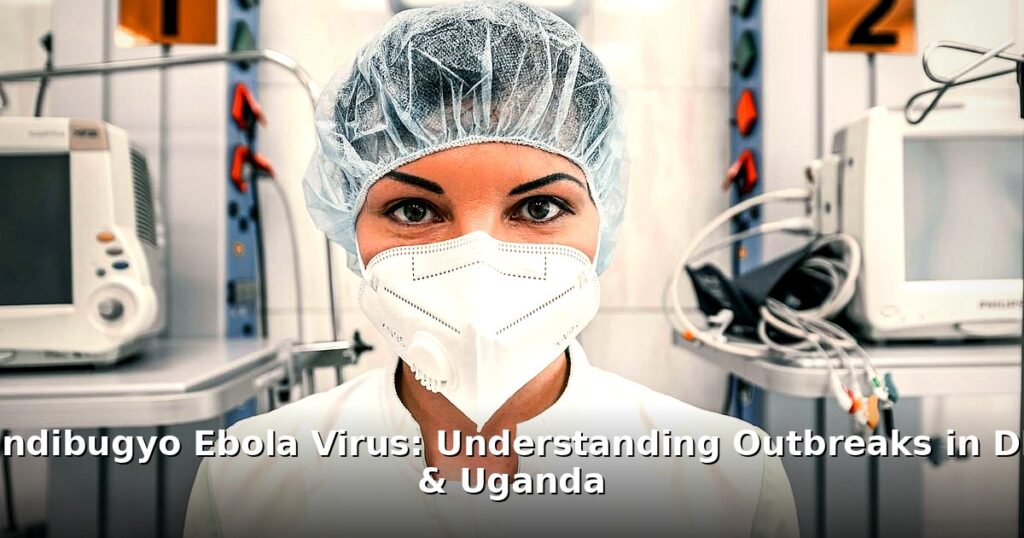
But individual actions are just as vital. Personal protective measures are key to Bundibugyo virus prevention. This includes frequent hand hygiene, using soap and water or alcohol-based hand rub. Healthcare workers, especially, need to be rigorously trained in infection control and use appropriate personal protective equipment (PPE) – gloves, gowns, masks, and eye protection. Safe burial practices are also paramount; bodies of deceased Ebola patients are still highly infectious, so trained teams must handle them with extreme caution and respect. And, as mentioned before, avoiding the consumption of bushmeat from regions known to have ebolavirus activity is a very sensible precaution.
Now, about vaccines and treatments. For Zaire ebolavirus, we have an effective vaccine, rVSV-ZEBOV, which has been instrumental in controlling outbreaks. For Bundibugyo ebolavirus, the situation is a bit different. While there are no licensed specific vaccines for BDBV yet, research is actively underway. Several vaccine candidates for BDBV have been developed and are in various stages of clinical trials. The scientific community is pushing hard to ensure we have tools against all significant ebolavirus types. Experimental treatments, often monoclonal antibody therapies, are also being investigated and used on a compassionate basis during outbreaks, showing some promising results. It’s a race against time, but progress is being made.

And that matters.
Staying Vigilant: What We’ve Learned and Future Preparedness
Every outbreak, no matter how small or large, teaches us invaluable lessons. One of the biggest takeaways from past DRC ebola outbreaks and those in Uganda has been the critical importance of community engagement and trust. Top-down approaches often fail. You simply can’t parachute in with solutions without understanding local customs, beliefs, and concerns. Building trust means involving community leaders, educating people in a culturally sensitive way, and ensuring that public health interventions are seen as helpful, not intrusive or threatening. It’s a slow, painstaking process, but absolutely essential for successful containment.
Ongoing research is also a constant beacon of hope. Scientists around the world are tirelessly working on better diagnostics for BDBV – faster, more accurate tests that can be deployed even in remote settings. As I mentioned, vaccine development for Bundibugyo ebola virus continues, aiming for a safe and effective shot that can protect vulnerable populations. And new treatments are being explored, which could significantly improve survival rates. It’s truly incredible what dedicated researchers can achieve.
Ultimately, global and regional efforts to strengthen health systems are paramount. This isn’t just about having hospitals; it’s about surveillance, trained personnel, adequate supplies, and the ability to respond rapidly. It’s about ensuring that countries like Uganda and the Democratic Republic of the Congo have the resources and support they need to detect, prevent, and control outbreaks of Bundibugyo ebola disease and other infectious diseases. Preparedness isn’t a luxury; it’s a necessity. It protects us all.
Frequently Asked Questions
Q: what’s the Bundibugyo ebola virus?
A: The Bundibugyo ebola virus (BDBV) is one of several species in the Ebolavirus genus that can cause severe, often fatal, hemorrhagic fever in humans. It was first identified in Bundibugyo, Uganda, in 2007. Big difference.
Q: Where have Bundibugyo ebola virus outbreaks occurred?
A: Outbreaks of the Bundibugyo ebola virus have primarily occurred in the Democratic Republic of the Congo (DRC) and Uganda. These regions have experienced several outbreaks since its initial discovery.
Q: What are the common symptoms of Bundibugyo ebola?
A: Symptoms typically appear 2-21 days after exposure and can include fever, severe headache, muscle pain, fatigue, diarrhea, vomiting, and unexplained hemorrhage. These symptoms are similar to other ebola strains.
Q: How is Bundibugyo ebola virus transmitted?
A: The virus is transmitted through direct contact with the blood or bodily fluids of an infected person or animal, or with objects contaminated with these fluids. it’s not airborne.
Q: Is there a vaccine for Bundibugyo ebola virus?
A: While there are vaccines for other ebola virus species (like Zaire ebolavirus), specific vaccines for Bundibugyo ebola virus are still under development or in clinical trials. Prevention relies heavily on public health measures.