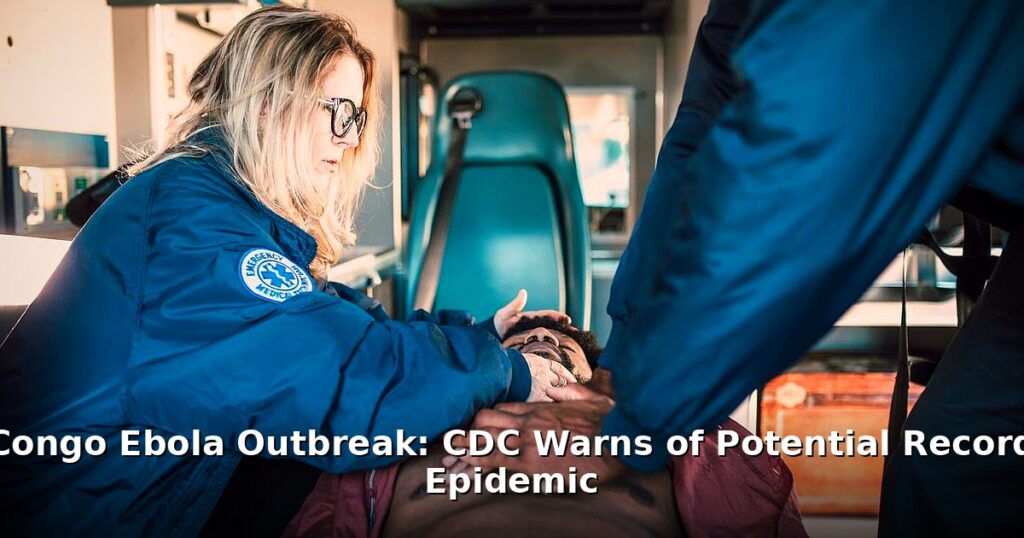

It’s hard to believe that after all we’ve learned, all the advancements in medicine and public health, we’re still facing an Ebola crisis of potentially historic proportions. The recent warnings from the CDC about the Congo Ebola outbreak are truly chilling, suggesting this current situation could rival the largest epidemic we’ve ever seen. That’s a stark reminder of just how fragile our global health security can be, even with significant progress in vaccine development and response strategies.
Table of Contents
- Understanding the Alarming Scale of the Congo Ebola Outbreak
- The Science Behind Ebola: How the Virus Spreads and Its Impact
- Global Response and the Fight Against the Congo Ebola Outbreak
- Challenges in Containment: Conflict, Mistrust, and Access Issues
- What This Means for Global Health and Preparedness
- Frequently Asked Questions
I’ve been tracking this particular outbreak, reading through the reports, and honestly, it’s a lot to take in. When health organizations sound an alarm this loudly, it’s not just a casual warning; it’s a plea for urgent, concerted action. And it makes me think about how interconnected we all are, even if the outbreak is thousands of miles away. No joke.
Understanding the Alarming Scale of the Congo Ebola Outbreak
Let’s talk numbers for a moment, because they really paint a picture of the gravity. The current Ebola outbreak, primarily centered in the Democratic Republic of Congo (DRC), specifically in the North Kivu and Ituri provinces, has been escalating. Thing is, the CDC, alongside the World Health Organization (WHO), has been providing regular updates, and the figures are deeply concerning. We’re talking about thousands of confirmed and probable cases, with a significant percentage of those being fatalities. It’s not just a localized cluster; it’s a widespread and persistent challenge. Check out our guide on Google’s Mosquito Release: Understanding the Health Initiative. We covered this in Easy Protein Tips: Smart Ways to Boost Daily Intake.
What makes this outbreak particularly alarming is how it stacks up against history. You might remember the devastating 2014-2016 West Africa Ebola epidemic that claimed over 11,000 lives across Guinea, Liberia, and Sierra Leone. That outbreak was unprecedented in its scale and complexity, truly a global health emergency that captured the world’s attention. The CDC’s warning isn’t just hyperbole; they’re seeing factors in the DRC that echo the conditions that allowed the West Africa outbreak to spiral out of control. Think about that for a second. We’re potentially looking at something on par with one of the worst public health disasters in recent memory.
Several critical factors are fueling this rapid spread. For one, the affected regions in the DRC are densely populated, making contact tracing and isolation incredibly difficult. But it’s not just population density. There’s a persistent issue of insecurity and conflict in these areas, which significantly hampers the ability of health workers to reach those in need, vaccinate communities, and provide safe treatment. Add to that the deeply ingrained mistrust many communities have towards external health interventions, and you have a perfect storm for a virus like Ebola to thrive. Containing it becomes a Herculean task.
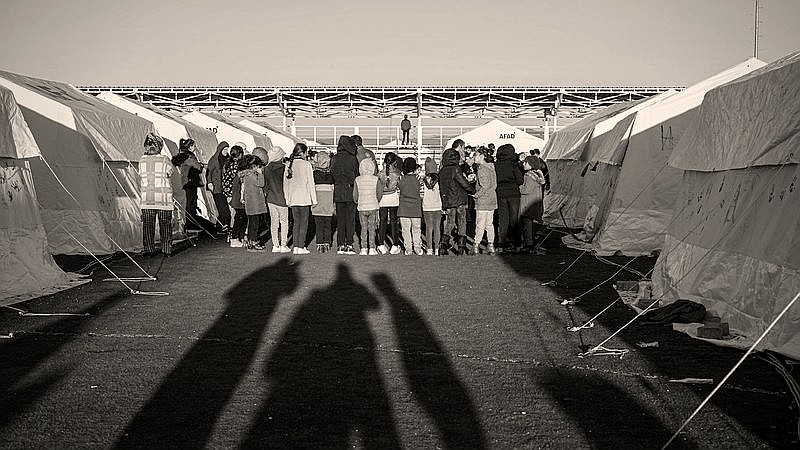
The Science Behind Ebola: How the Virus Spreads and Its Impact
So, what exactly is Ebola? It’s a severe, often fatal illness caused by the Ebola virus. Thing is, it’s a nasty bug. The scientific name for the disease is Ebola Virus Disease (EVD), and it’s one of those zoonotic diseases, meaning it jumps from animals to humans. Fruit bats are often considered natural hosts, but it can also be transmitted from other infected wild animals like chimpanzees, gorillas, monkeys, forest antelope, or porcupines through contact with their blood, secretions, organs, or other bodily fluids. A lot to unpack there.
Once it makes that jump, it spreads among humans through direct contact. We’re talking about contact with the blood, secretions, organs, or other bodily fluids of infected people. And, importantly, contact with surfaces and materials contaminated with these fluids. This includes things like bedding, clothing, or needles. That’s why safe burial practices are so critical; the bodies of those who have died from Ebola remain infectious. It’s not airborne, which is a common misconception, but its contact-based transmission makes it highly contagious in specific settings.
Symptoms and Progression of EVD
The symptoms of EVD can be a bit tricky at first because they often mimic other common illnesses. Typically, a person infected with Ebola will develop sudden onset of fever, intense weakness, muscle pain, headache, and a sore throat. These initial symptoms usually appear between 2 and 21 days after exposure. After that, things get much worse. Vomiting, diarrhea, rash, impaired kidney and liver function, and, in some cases, both internal and external bleeding can follow. It’s a truly horrific progression.
The high fatality rate associated with Ebola is why rapid intervention is absolutely crucial. Without early diagnosis and supportive care, the mortality rate can be as high as 90%. That’s a terrifying statistic. But with prompt medical attention, including rehydration and symptom management, survival rates can significantly improve. The problem, as we’re seeing in the DRC, is that getting that prompt care to everyone who needs it’s incredibly difficult. And that matters.
Global Response and the Fight Against the Congo Ebola Outbreak
Thankfully, the world isn’t standing by idly. The global response to the Congo Ebola outbreak has been , albeit incredibly challenging. International organizations like the WHO, the CDC, and Doctors Without Borders (Médecins Sans Frontières) are on the ground, working tirelessly. They’re deploying rapid response teams, setting up treatment centers, and trying to implement comprehensive public health response measures, including contact tracing and safe burial practices. It’s a monumental effort, often in extremely dangerous conditions.
Advances in Ebola Vaccine Development
You might not expect this, but One of the true beacons of hope in this fight has been the progress in Ebola vaccine development. The rVSV-ZEBOV vaccine has been a . It’s an investigational vaccine, but it has shown remarkable efficacy in preventing the disease in people exposed to the virus. But it’s being deployed through a “ring vaccination” strategy, where contacts of confirmed cases, and contacts of contacts, are vaccinated to create a protective ring around the infection. This strategy was instrumental in bringing previous outbreaks under control relatively quickly.
And it’s working again in the DRC, to some extent, where it has already been administered to hundreds of thousands of people. It’s truly scientific innovation and rapid deployment. But even with an effective vaccine, the logistical challenges of reaching everyone in need are immense. It’s not just about having the vaccine; it’s about getting it into arms in remote, conflict-ridden areas.
Okay, so Another crucial element is community engagement. You can have the best vaccines and the most dedicated health workers, but if the local community doesn’t trust them, none of it matters. Building that trust is slow and painstaking work. It involves listening to local concerns, respecting cultural practices, and working hand-in-hand with community leaders. It’s about making sure people understand that health workers are there to help, not to harm, and that accurate information about Ebola virus disease prevention can save lives.
Challenges in Containment: Conflict, Mistrust, and Access Issues
This is where the DRC’s situation becomes uniquely complex. The ongoing conflict and insecurity in eastern DRC have created an extremely volatile environment. Armed groups frequently attack health facilities and workers, disrupting vaccination campaigns and making it incredibly dangerous to deliver aid. These attacks not only injure and kill health personnel but also breed fear and deepen community mistrust, making future public health initiatives even harder.
Look, I can only imagine the bravery it takes for these health workers to go into these zones every single day. Their commitment is awe-inspiring. But their efforts are constantly undermined by the instability. It’s not just about dodging bullets; it’s about overcoming a deeply entrenched skepticism, fueled by years of conflict and inadequate governance. Misinformation about Ebola and the vaccine spreads like wildfire through these communities, often making people resistant to life-saving interventions.
I’ll be honest — Logistical hurdles are also a huge factor. Many affected areas are remote, with poor infrastructure, making it incredibly difficult to transport medical supplies, maintain the cold chain for vaccines, and deploy personnel. The mere act of reaching these communities safely, let alone providing complex medical care, is an incredible feat. Huge.
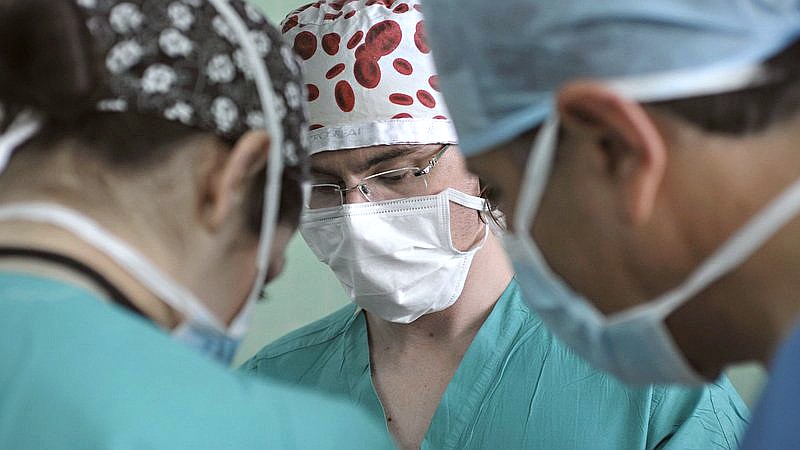
What This Means for Global Health and Preparedness
The Congo Ebola outbreak is more than just a regional crisis; it’s a stark reminder of global health emergencies preparedness. We’ve learned a lot from previous outbreaks, particularly the West Africa one. Those lessons are being applied now: the rapid deployment of a vaccine, the emphasis on community engagement, and the coordinated international response. But this outbreak is also highlighting new challenges, especially how conflict can derail even the best public health strategies.
surveillance systems and rapid diagnostic capabilities are non-negotiable. We need to be able to detect outbreaks early, identify the virus quickly, and respond with lightning speed. This means investing in local health infrastructure, training local health workers, and ensuring that countries have the resources they need to be the first line of defense. Because ultimately, an outbreak anywhere is a potential threat everywhere.
For us, sitting thousands of miles away, what does this mean? It doesn’t mean undue panic, absolutely not. But it does mean staying informed. I make sure to always check reliable news sources like the WHO or CDC websites for updates on global health events. Understanding the risks, without giving in to fear-mongering, is key. It also reinforces the idea that supporting global health initiatives, even financially, is an investment in our collective future. The ongoing efforts in Ebola vaccine development and public health response aren’t just for the DRC; they’re for all of us.
The fight against this Congo Ebola outbreak is far from over. It’s a complex, multi-faceted crisis that requires sustained attention, resources, and cooperation. But with the dedication of frontline workers, the power of science, and a united global effort, there’s hope that this devastating virus can, once again, be contained.
Frequently Asked Questions
Q: what’s Ebola Virus Disease (EVD)? Big difference.
A: Ebola Virus Disease is a severe, often fatal illness caused by the Ebola virus. it’s transmitted to people from wild animals and spreads in the human population through direct contact with the blood, secretions, organs, or other bodily fluids of infected people, and with surfaces and materials contaminated with these fluids.
Q: How is the current Congo Ebola outbreak different from past ones?
I’ll be honest — A: The current outbreak in the Democratic Republic of Congo is particularly challenging due to ongoing conflict in affected regions, which hinders public health responses, and community mistrust. The CDC has warned it could rival the largest Ebola epidemic on record, partly due to these complex factors.
Q: Are there vaccines or treatments for Ebola?
A: Yes, an effective vaccine, rVSV-ZEBOV, has been instrumental in controlling recent outbreaks and is being deployed in the DRC. There are also experimental treatments, such as monoclonal antibodies, that have shown promise in improving survival rates for patients.
Q: What precautions should individuals take regarding the Ebola outbreak?
A: For most people, the risk of contracting Ebola is very low. The best precaution is to stay informed through reliable sources like the WHO and CDC. If you plan to travel to affected regions, consult your doctor for specific advice on vaccinations and preventive measures.