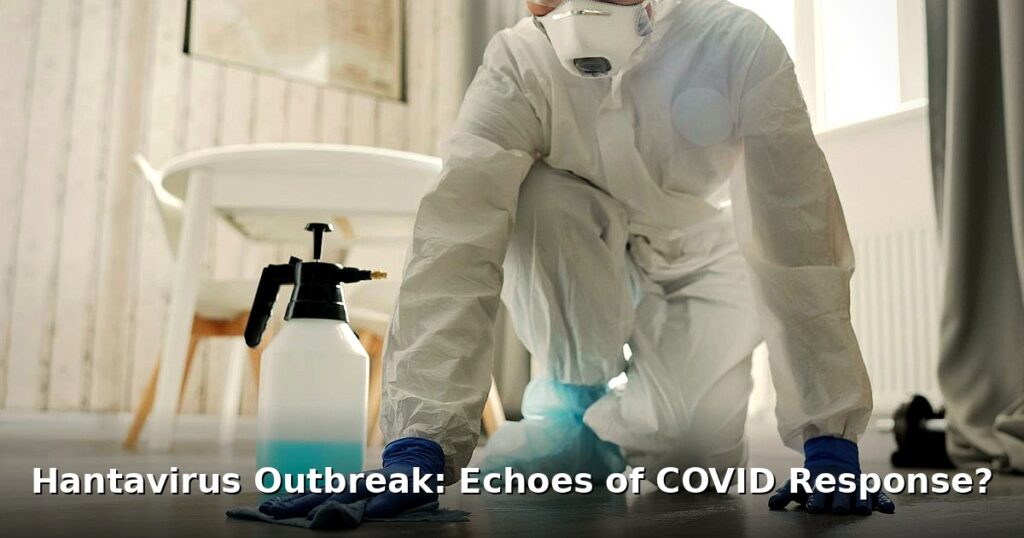

Something’s stirring in public health, and it’s not another variant of COVID. A Hantavirus outbreak is currently testing public health infrastructure, bringing old threats back into the spotlight. And it’s raising crucial questions about preparedness and response, especially in light of recent experiences with a global pandemic.
Table of Contents
- what’s Hantavirus and How Does it Spread?
- The Current Hantavirus Outbreak: Where and Why?
- Official Response to the Hantavirus Outbreak
- Lessons Learned from COVID-19: Applying Them to Hantavirus
- Hantavirus Prevention and Treatment: What You Can Do
- Addressing Concerns and Future Preparedness
- Frequently Asked Questions
what’s Hantavirus and How Does it Spread?
Okay, let’s break it down. Hantavirus isn’t a single virus, but rather a group of related viruses. These viruses can cause severe diseases in humans. Two of the most well-known illnesses caused by hantaviruses are Hantavirus Pulmonary Syndrome (HPS) and Hemorrhagic Fever with Renal Syndrome (HFRS).
The primary way hantavirus spreads is through rodents. Specifically, you can get it by inhaling air contaminated with the virus from rodent droppings, urine, or saliva. Think about cleaning out a dusty shed or cabin that’s been closed up for the winter – that’s a prime situation for potential exposure. Person-to-person transmission is extremely rare, though some strains have shown evidence of this. Still, rodent contact is the biggie. Check out our guide on Hantavirus Cruise Quarantine: What Passengers Need to Know. We covered this in Fungus Storms: Lung Damage, Brain Infections, and What You Need.
Different strains of Hantavirus are found in different geographic regions. Sin Nombre virus, for example, is common in North America. This is what causes HPS. Other strains are more prevalent in Europe and Asia, where they can cause HFRS. Knowing the geographic distribution helps in diagnosing and understanding the potential risks.
Early hantavirus symptoms often mimic the flu. Think fever, muscle aches (especially in the thighs, hips, and back), fatigue, and headaches. Some people experience dizziness, chills, and abdominal problems too. Recognizing these early signs is crucial for seeking timely medical attention, though I know that’s easier said than done when half of those symptoms describe how I feel after a tough workout!

The Current Hantavirus Outbreak: Where and Why?
Details on the specific location and affected population are still emerging, and it’s important to get your information from reliable sources like the CDC or WHO. But it’s safe to say that any outbreak raises concerns, given what we’ve all been through recently. Keep an eye on updates from your local and national health authorities.
What causes these outbreaks? Several factors can contribute. Environmental changes, like increased rainfall or warmer temperatures, can lead to a boom in rodent populations. Increased human encroachment on rodent habitats is another factor. Basically, when we move into their territory, the risk of contact goes up.
For context, there have been previous Hantavirus outbreaks. A notable one occurred in 1993 in the Four Corners region of the United States. Comparing the current situation to past outbreaks helps public health officials understand patterns and implement effective control measures. Hopefully.
Tracking the spread involves careful monitoring of new cases, identifying affected areas, and understanding the demographics of those infected. This data is essential for implementing targeted interventions and preventing further spread of the disease.
Official Response to the Hantavirus Outbreak
I’ll be honest — When an outbreak happens, quick action is key. Public health measures typically include rodent control programs. Think trapping, poisoning (done carefully, of course), and educating the public on how to prevent infestations.
Awareness campaigns are also crucial. These campaigns inform people about the risks of Hantavirus, how it spreads, and what they can do to protect themselves. Clear and consistent messaging is vital for managing public anxiety and promoting responsible behavior.
Government agencies play a vital role. The Centers for Disease Control and Prevention (CDC) and local health departments are usually at the forefront. They’re responsible for investigating outbreaks, conducting testing, and providing guidance to healthcare providers and the public. See the CDC’s website for more info: https://www.cdc.gov/
Testing and diagnosis are critical. Early detection can improve outcomes. Diagnostic procedures typically involve blood tests to detect antibodies or the virus itself. Turnaround time for these tests can be a major factor in controlling the spread.

Resource allocation is always a challenge. Funding is needed for testing, treatment, public education, and rodent control programs. Efficient allocation of resources ensures that the response is effective and that affected communities receive the support they need.
Lessons Learned from COVID-19: Applying Them to Hantavirus
Let’s be real, the COVID-19 pandemic was a brutal learning experience for everyone. But, hopefully, it taught us some valuable lessons that can be applied to other outbreaks, like this current Hantavirus outbreak. What did we learn? Pretty wild, right?
Comparing the initial responses to COVID-19 and the current Hantavirus outbreak reveals some stark differences. For one thing, we knew a lot more about viral transmission going into this than we did when COVID first hit. Hopefully, that means a faster, more effective response this time. And that matters.
Improvements in testing and contact tracing are essential. We got better at this during the pandemic, though it was a bumpy ride. Rapid and accurate testing, combined with effective contact tracing, can help to quickly identify and isolate cases, preventing further spread.
Effective communication is paramount. During COVID, misinformation spread like wildfire. Clear, consistent, and transparent communication from public health officials is crucial for building public trust and ensuring that people follow recommended guidelines.
Addressing misinformation is just as important. Combating false or misleading information requires a multi-pronged approach. This includes fact-checking, engaging with social media platforms, and educating the public on how to identify credible sources of information. Easier said than done, though.
Hantavirus Prevention and Treatment: What You Can Do
Okay, so what can you do to protect yourself and your family? Let’s talk practical steps for Hantavirus prevention.
I’ll be honest — Rodent-proofing your home is priority number one. Seal up any cracks or holes in your foundation, walls, and around pipes. Cover garbage cans tightly. Store food in airtight containers. Basically, make your home less attractive to rodents.
Cleaning up rodent-infested areas requires caution. Before you start, ventilate the area for at least 30 minutes. Wear gloves and a mask. Spray the area with a disinfectant solution before sweeping or vacuuming to avoid stirring up dust. Double-bag and seal any contaminated materials before disposing of them.
Avoiding contact with rodents is pretty self-explanatory. But think about it – that means being careful when hiking or camping. Don’t disturb rodent nests or burrows. Store food properly to avoid attracting them. Simple steps can make a big difference.
Early detection and treatment are key. If you develop symptoms of Hantavirus, seek medical attention immediately. There’s no specific cure, but supportive care can improve your chances of survival. Don’t wait and see – get checked out.
Speaking of seeking medical attention, I can’t stress this enough: if you think you’ve been exposed, see a doctor. It’s always better to be safe than sorry. Plus, they can rule out other potential causes of your symptoms.
Addressing Concerns and Future Preparedness
Outbreaks like this one naturally cause anxiety. Managing public fear requires transparency, empathy, and clear communication. Tell people what’s happening, what’s being done, and what they can do to protect themselves.
Investing in research is essential. We need to better understand Hantavirus, develop more effective treatments, and improve our ability to predict and prevent outbreaks. Research also helps us develop better diagnostic tools and surveillance methods.
Rapid response plans are crucial for future outbreaks. These plans should outline the steps to be taken in the event of an outbreak, including testing protocols, contact tracing procedures, and resource allocation strategies. Being prepared can save lives.
Proactive measures are always better than reactive ones. This includes ongoing surveillance of rodent populations, public health education campaigns, and community engagement programs. Prevention is always the best medicine.
International collaboration is also important. Viruses don’t respect borders. Sharing information, coordinating research efforts, and providing assistance to affected countries can help to prevent outbreaks from becoming global crises. We learned that the hard way.
Hantavirus symptoms can be scary, but knowledge is power. By staying informed, taking preventive measures, and supporting public health efforts, we can all help to protect ourselves and our communities. So, stay vigilant, stay informed, and don’t panic. We’ll get through this.
Frequently Asked Questions
What are the first signs of Hantavirus?
Early symptoms of Hantavirus often include fever, muscle aches (especially in the thighs, hips, back, and sometimes shoulders), fatigue, headaches, dizziness, chills, and abdominal problems. It’s crucial to consult a doctor if you experience these symptoms, especially if you’ve been exposed to rodents or their droppings.
How is Hantavirus transmitted to humans?
Hantavirus is primarily transmitted to humans through the inhalation of air contaminated with the urine, droppings, or saliva of infected rodents. Less commonly, it can be transmitted through a rodent bite or by touching contaminated surfaces and then touching your eyes, nose, or mouth. And that matters.
Is Hantavirus contagious between people?
While rare, some strains of Hantavirus can be transmitted from person to person, but this isn’t the common mode of transmission. Most cases are acquired through contact with infected rodents or their waste.
what’s the treatment for Hantavirus infection?
there’s no specific cure for Hantavirus infection. Treatment focuses on supportive care, such as managing fever and providing respiratory support if the lungs are affected. Early medical attention and intensive care can improve the chances of survival.
How can I protect myself from Hantavirus?
The best way to protect yourself from Hantavirus is to avoid contact with rodents and their droppings. Seal up entry points in your home, practice safe cleaning methods in areas where rodents may be present, and use appropriate personal protective equipment when cleaning rodent-infested areas. Always consult a medical professional for health concerns.