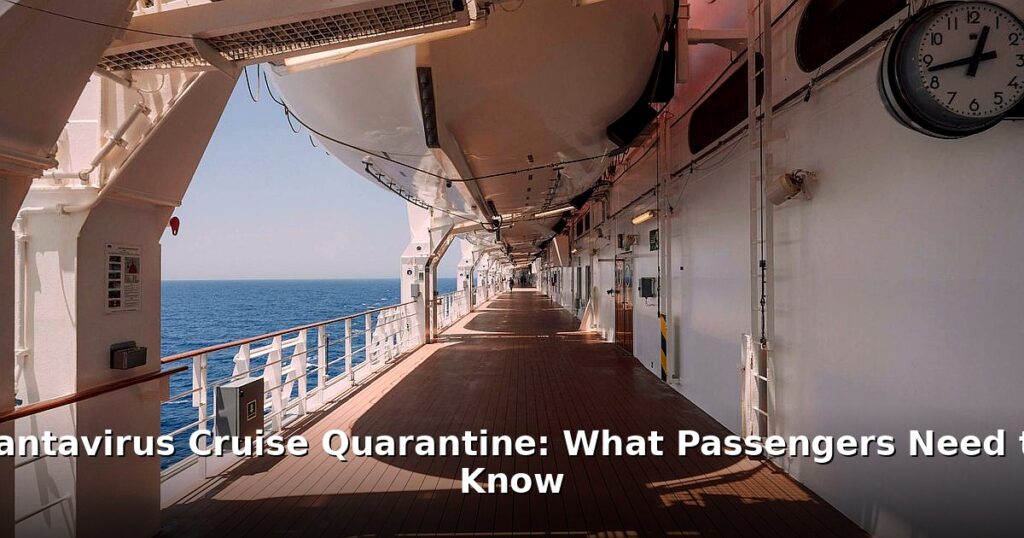

Imagine being trapped on a cruise, not by choice, but by quarantine. That’s the reality some passengers faced after a recent hantavirus cruise quarantine situation. It sounds like something out of a medical thriller, doesn’t it? But it’s very real, and understanding what hantavirus is, how it spreads, and what happens during a quarantine is crucial if you’re planning any kind of travel – especially cruises or trips to areas where rodents might be prevalent.
Table of Contents
- what’s Hantavirus and How Does It Spread?
- The Recent Hantavirus Outbreak on a Cruise Ship
- Understanding the Hantavirus Cruise Quarantine Process in the U.S.
- Symptoms of Hantavirus: What to Watch For
- Preventing Hantavirus Exposure: Tips for Travelers
- Long-Term Health Implications After Hantavirus Cruise Quarantine
- Frequently Asked Questions
what’s Hantavirus and How Does It Spread?
Hantavirus isn’t just one virus; it’s actually a group of related viruses. These viruses are primarily carried by rodents – deer mice, cotton rats, rice rats, and voles are common carriers in the Americas. Different strains of hantavirus exist, and the specific rodent carrier often varies by geographic location. This is important to keep in mind.
So, how do humans get it? It’s not a pretty picture, unfortunately. We contract hantavirus through contact with infected rodent droppings, urine, or saliva. This usually happens when we inhale dust contaminated with the virus. Think sweeping out a dusty cabin, or disturbing rodent nests in a shed. Direct contact, like touching contaminated surfaces and then your face, can also lead to infection – though it’s less common. And no, you can’t get it from another person, which is a small comfort. Check out our guide on Fungus Storms: Lung Damage, Brain Infections, and What You Need. We covered this in Norovirus Outbreak on Princess Cruise: Symptoms, Prevention.
Hantavirus thrives in environments where rodents do – rural areas, farms, forests, and even some urban settings if there’s a rodent population. Overcrowding and poor sanitation make things worse. Think about old cabins, storage sheds, and even construction sites. These are prime spots for rodent activity.
There are two main forms of hantavirus disease to be aware of. The most well-known is Hantavirus Pulmonary Syndrome (HPS). HPS causes severe respiratory distress and has a high mortality rate. Other forms, more common outside the Americas, cause Hemorrhagic Fever with Renal Syndrome (HFRS). HFRS affects the kidneys and causes bleeding disorders. Big difference.

The Recent Hantavirus Outbreak on a Cruise Ship
Now, let’s get to the specifics of the cruise ship incident. Details are still emerging, but here’s what we know. A cruise ship, let’s call it the “Rodent Roamer” (not its real name), experienced a confirmed hantavirus outbreak among its passengers. Several passengers started exhibiting flu-like symptoms that quickly progressed to respiratory distress.
The timeline is crucial. Initially, passengers reported feeling unwell. Medical staff on board treated them for what they thought were common respiratory infections. As more passengers fell ill, and symptoms worsened, hantavirus was suspected. Testing confirmed the presence of the virus. The cruise line then notified health authorities and began implementing quarantine measures on board.
Okay, so The geographic location of the cruise is significant. The cruise sailed through coastal regions known to have rodent populations carrying hantavirus. It’s suspected that rodents might have boarded the ship at one of the ports of call, or were already present. How they got there’s still under investigation. The cruise line is probably not thrilled about this.
Passenger demographics varied, but reports indicate that older adults were disproportionately affected. This could be due to a number of factors, including weakened immune systems or pre-existing health conditions. Makes sense, right?
Understanding the Hantavirus Cruise Quarantine Process in the U.S.
Once the ship docked in the U.S., federal health authorities took over. The CDC (Centers for Disease Control and Prevention) and local health departments implemented strict quarantine procedures to prevent further spread of the virus. This is standard protocol for containing infectious diseases.
Affected passengers were transported to designated quarantine facilities – often local hospitals or specially equipped centers. These facilities provide medical care and monitoring while ensuring that the individuals don’t come into contact with the general public. Conditions in quarantine can vary, but generally include private rooms, medical monitoring equipment, and access to basic amenities.
What surprised me was that Medical monitoring is intensive. Quarantined individuals undergo regular temperature checks, blood tests, and respiratory assessments. Treatment focuses on supportive care – managing symptoms and providing oxygen therapy or mechanical ventilation if needed. There’s no specific antiviral drug for hantavirus, so the focus is on keeping patients comfortable and helping their bodies fight the infection. It’s all about supportive care.
Legally, quarantine is a complex issue. Individuals have the right to medical care and humane treatment during quarantine. They also have the right to legal representation and the ability to challenge the quarantine order if they believe it’s unwarranted. That said, public health concerns often outweigh individual rights in these situations. It’s a balancing act.

Symptoms of Hantavirus: What to Watch For
Knowing the symptoms of hantavirus is critical, especially if you’ve been in an area where rodents are common. Early symptoms often mimic the flu: fever, muscle aches (especially in the back, hips, and thighs), fatigue, and headache. Some people also experience gastrointestinal symptoms like nausea, vomiting, and abdominal pain. These can appear one to eight weeks after exposure.
As the infection progresses, more severe symptoms develop. The hallmark of HPS is shortness of breath. This happens because the virus causes fluid to leak into the lungs (pulmonary edema). Coughing is also common. And this is where it gets really serious.
Early detection is key. If you experience flu-like symptoms after potential rodent exposure, see a doctor immediately. Don’t wait. Hantavirus can progress rapidly, and early intervention can significantly improve your chances of survival. Mention your potential exposure to rodents, as this will help your doctor make an accurate diagnosis.
When should you seek immediate medical attention? Any shortness of breath or difficulty breathing warrants a trip to the emergency room. Don’t try to tough it out. Hantavirus is a serious illness, and prompt medical care is essential.
Preventing Hantavirus Exposure: Tips for Travelers
Okay, so how do you avoid this whole mess in the first place? Prevention is always better than cure, right? Especially with hantavirus.
Here’s the lowdown for travelers. Avoid contact with rodents and their habitats. This means staying out of abandoned buildings, sheds, and areas with signs of rodent activity (droppings, nests, etc.). If you must enter such areas, take precautions: wear a mask and gloves, and ventilate the space thoroughly before cleaning.
Proper food storage and hygiene are also important. Store food in sealed containers to prevent attracting rodents. Clean up spills immediately and wash your hands frequently, especially after being outdoors. It’s just good practice.
Cruise lines also have a responsibility to prevent outbreaks. They should implement rigorous pest control measures, regularly inspect ships for signs of rodent activity, and educate passengers about hantavirus risks. It’s their duty of care.
Here are some specific things you can do:
- Air out cabins or buildings before entering, for at least 30 minutes.
- Use disinfectants to clean surfaces that may have been contaminated.
- Wear gloves and a mask when cleaning areas with rodent droppings.
- Avoid sweeping or vacuuming dry rodent droppings, as this can aerosolize the virus. Wet cleaning is better.
Long-Term Health Implications After Hantavirus Cruise Quarantine
Even after surviving a hantavirus infection, there can be long-term health consequences. Some individuals experience persistent respiratory problems, fatigue, and muscle weakness. The severity of these effects varies depending on the individual and the severity of their initial infection. It’s hard to predict.
Follow-up medical care and monitoring are essential. Survivors should undergo regular check-ups to assess their lung function, kidney function, and overall health. Doctors can then manage any long-term complications that arise. It’s all about keeping an eye on things.
The psychological impact of quarantine can also be significant. Isolation, fear, and uncertainty can lead to anxiety, depression, and post-traumatic stress. Resources like counseling and support groups can help individuals cope with these challenges. Don’t underestimate the mental toll.
Research on hantavirus is ongoing. Scientists are working to develop better diagnostic tools, treatments, and vaccines. Studies are also underway to understand the long-term effects of hantavirus infection and to identify risk factors for severe disease. The more we know, the better prepared we can be.
The CDC is a great resource for the latest information and recommendations regarding hantavirus. Check out their website for detailed guidance: CDC Hantavirus Information. It’s worth a look.
Frequently Asked Questions
Q: what’s hantavirus and how is it transmitted?
A: Hantavirus is a virus transmitted to humans through contact with rodent droppings, urine, or saliva. Inhalation of airborne particles containing the virus is the most common route of infection.
Q: What are the symptoms of hantavirus infection?
A: Early symptoms include fever, muscle aches, fatigue, and headache. As the infection progresses, individuals may experience shortness of breath, coughing, and fluid buildup in the lungs.
Q: How is hantavirus treated?
A: there’s no specific cure for hantavirus. Treatment focuses on supportive care, such as oxygen therapy and mechanical ventilation, to manage the symptoms and support breathing.
Q: What are the quarantine procedures for hantavirus exposure?
Okay, so A: Quarantine involves isolating individuals who may have been exposed to prevent further spread of the virus. During quarantine, individuals are monitored for symptoms and provided with medical care if needed.
Q: Can I get hantavirus from another person?
A: Hantavirus isn’t typically transmitted from person to person. The primary route of infection is through contact with infected rodents or their droppings.
The hantavirus cruise quarantine situation serves as a stark reminder of the potential health risks associated with travel and preventative measures. While the chances of contracting hantavirus on a cruise are relatively low, understanding the risks and taking precautions can help protect you and your loved ones. If you’re planning a trip, do your research, be aware of potential rodent exposure, and talk to your doctor about any concerns you might have. Staying informed is the best defense. And maybe pack some extra hand sanitizer, just in case!