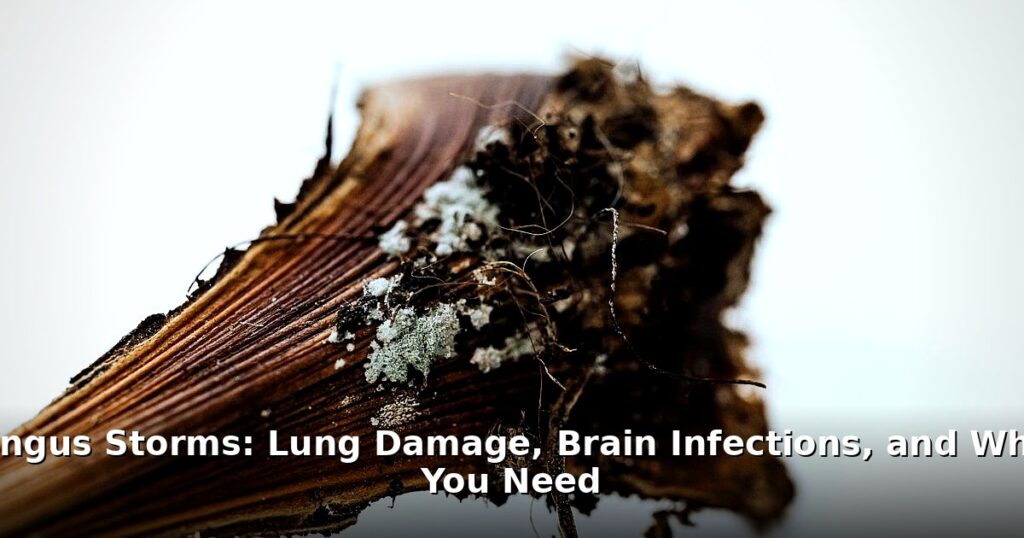

The air feels different these days, doesn’t it? Thicker, somehow. And it’s not just my imagination. We’re facing a growing threat: fungus storms. These aren’t your garden-variety mold problems; we’re talking about a surge in airborne fungal spores that can wreak havoc on your lungs, and in rare cases, even your brain and spinal cord. One in ten people exposed could face long-term lung damage. That’s a statistic that got my attention. It should get yours, too.
Table of Contents
Understanding Fungus Storms and Their Impact
So, what exactly are fungus storms? Think of them as periods of dramatically increased concentrations of fungal spores in the air. More spores mean a higher risk of inhaling them, leading to potential infections, especially in the lungs.
Why are these events on the rise? Climate change is a major factor. Warmer temperatures and altered weather patterns – more floods, more droughts – create ideal breeding grounds for fungi. Construction and demolition can stir up fungal spores, too. It’s a perfect storm, really. Check out our guide on Norovirus Outbreak on Princess Cruise: Symptoms, Prevention. We covered this in Hantavirus Cruise Outbreak: 2 Texas Residents Confirmed.
That statistic – one in ten facing potential long-term lung damage – is sobering. And while the risk of a fungal infection spreading to the brain or spinal cord is thankfully rare (around 1%), the consequences can be devastating. We’re talking fungal meningitis or brain abscesses. Not good. At all.

How Fungus Storms Affect Your Lungs
Let’s talk lungs. When you inhale fungal spores, your body usually does a pretty good job of clearing them out. But if you’re exposed to a high concentration, or if your immune system isn’t up to par, an infection can take hold. It often starts subtly – a cough that won’t quit, maybe some shortness of breath.
The infection can then progress, leading to conditions like aspergillosis. Aspergillosis is a type of pulmonary fungal infection that can cause persistent lung damage, and it’s just one example. Other chronic fungal infections can also develop, leaving you with lasting respiratory issues.
What should you be looking out for? Common aspergillosis symptoms and other fungal lung infection symptoms include:
- A persistent cough (dry or with mucus)
- Shortness of breath, even with minimal exertion
- Fatigue that just won’t go away
- Fever
- Chest pain
Now, some people are more at risk than others. If you have a weakened immune system – perhaps due to chemotherapy, organ transplant, or HIV/AIDS – you’re more susceptible. Underlying lung diseases like COPD or cystic fibrosis also increase your risk. Talk to your doctor about your specific risk profile.
When Fungal Infections Spread: Brain and Spinal Cord Risks
Okay, this is where things get really serious. While rare, fungal infections can sometimes spread beyond the lungs and travel to the brain and spinal cord. This is what we call an invasive fungal infection. How does this happen? The fungus can enter the bloodstream and cross the blood-brain barrier, which normally protects the brain from infections.
When a fungal infection reaches the brain or spinal cord, it can cause fungal meningitis (inflammation of the membranes surrounding the brain and spinal cord) or brain abscesses (pus-filled pockets in the brain). These are life-threatening conditions that require immediate medical attention. Just something to think about.
So, what are the warning signs? Symptoms of fungal infection brain or spinal cord involvement can include:
- Severe headache
- High fever
- Stiff neck
- Confusion or altered mental state
- Seizures
- Sensitivity to light
- Neurological changes, such as weakness, numbness, or vision problems
If you experience any of these symptoms, especially if you also have a weakened immune system or a history of fungal lung infection, seek medical help immediately. Don’t delay.
Diagnosing these types of infections usually involves a lumbar puncture (spinal tap) to collect cerebrospinal fluid for analysis. Imaging tests like MRI or CT scans can also help identify brain abscesses or other abnormalities. Go figure.

Diagnosing and Treating Fungal Infections
Look, Early diagnosis is key to successfully treating fungal infections. The longer you wait, the more damage the fungus can do. So, how do doctors figure out what’s going on?
Several diagnostic tests can help identify fungal infections. These include:
- Sputum culture: Examining a sample of your mucus to identify the specific fungus.
- Blood tests: Looking for fungal antigens or antibodies in your blood.
- Imaging tests: X-rays, CT scans, or MRI to visualize lung damage or brain abnormalities.
- Bronchoscopy: A procedure where a thin, flexible tube with a camera is inserted into your airways to collect samples.
Once a fungal infection is diagnosed, antifungal medications are the primary treatment. Common antifungal drugs include azoles (like voriconazole and itraconazole), amphotericin B, and echinocandins. The specific medication and duration of treatment will depend on the type of fungus, the severity of the infection, and your overall health.
Don’t expect a quick fix. Treatment can take weeks, months, or even longer. It’s crucial to follow your doctor’s instructions carefully and complete the full course of medication, even if you start feeling better. Stopping treatment early can lead to relapse or the development of drug-resistant fungi.
The truth is, Complex cases, especially those involving the brain or spinal cord, often require the expertise of specialists, such as pulmonologists (lung doctors), infectious disease specialists, and neurologists. These specialists can help develop a comprehensive treatment plan and manage any complications that may arise.
Protecting Yourself from Fungus Storms
Okay, so what can you actually do to protect yourself? Here are some practical tips for reducing your exposure to fungal spores:
- Wear a mask in dusty environments: This is especially important if you’re doing yard work, construction, or cleaning out moldy areas.
- Improve indoor air quality: Use air purifiers with HEPA filters to remove fungal spores from the air in your home. Make sure your ventilation system is working properly.
- Avoid areas with high fungal contamination: This might include construction sites, damp basements, or areas with visible mold growth.
- Maintain a healthy immune system: Eat a balanced diet, exercise regularly, get enough sleep, and manage stress.
Speaking of masks, I’ve made it a habit to wear one while gardening. I love getting my hands dirty, but I also know that soil can be a breeding ground for fungi. A simple N95 mask gives me peace of mind.
If you have concerns about your risk of fungal infection, especially if you have a weakened immune system or underlying lung disease, talk to your doctor. They can assess your individual risk and recommend appropriate preventive measures. You can also check the CDC website for the latest recommendations on preventing fungal infections: www.cdc.gov No joke.
Fair warning: Ultimately, protecting yourself from fungus storms is about being aware of the risks and taking simple steps to reduce your exposure. Knowledge is power, as they say.
Frequently Asked Questions
Q: What exactly are fungus storms?
Look, Fungus storms are periods with increased airborne fungal spores, raising the risk of fungal infections, especially in the lungs.
Q: How can I protect myself from fungal infections?
What surprised me was that You can reduce your risk by wearing masks in dusty areas, improving indoor air quality with air purifiers, and maintaining a healthy immune system through diet and exercise. Not even close.
Q: What are the symptoms of a fungal lung infection?
Symptoms can include a persistent cough, shortness of breath, fatigue, fever, and chest pain. Consult a doctor if you experience these.
Q: Can fungal infections spread to the brain?
Rarely, yes. If left untreated, fungal infections can spread from the lungs to the brain or spinal cord, leading to serious complications like meningitis.
Q: When should I see a doctor about a possible fungal infection?
If you have a weakened immune system, underlying lung disease, or experience persistent respiratory symptoms, consult a doctor promptly for evaluation and testing.
Fungus storms are a real and growing threat. Pay attention to air quality alerts in your area, and take precautions, especially if you’re at higher risk. We can – and should – protect ourselves. Stay informed, stay vigilant, and stay healthy. And don’t hesitate to reach out to your healthcare provider with questions. It’s always better to be safe than sorry.