
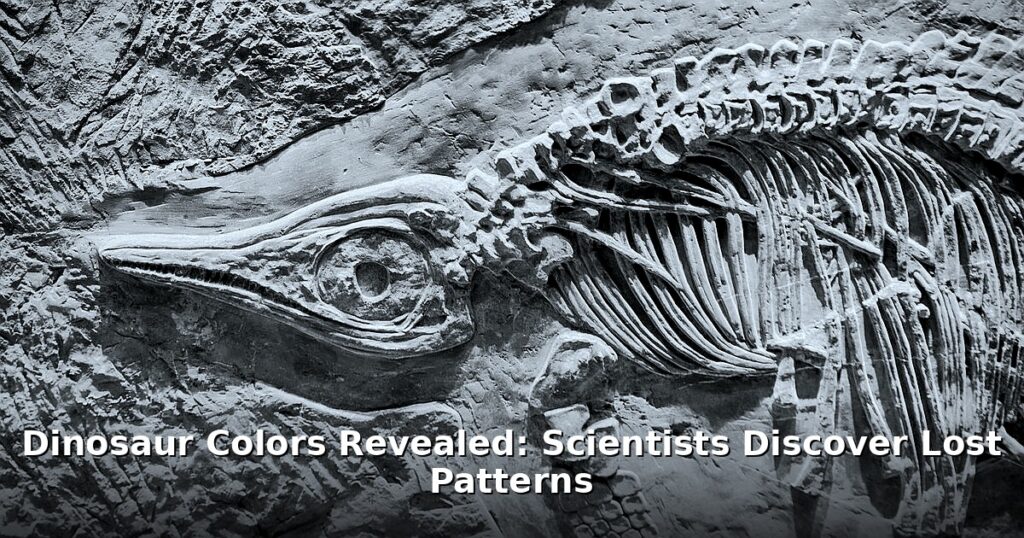

If you’ve been looking into dinosaur colors, for years, I pictured dinosaurs as dull, scaly beasts – variations on gray, green, and brown. Makes sense, right? They’re reptiles, after all! Turns out, I (and pretty much everyone else) was wrong. Dead wrong.
Table of Contents
Scientists are now unearthing the secrets of dinosaur colors, revealing a vibrant world of prehistoric hues and patterns we never imagined. And frankly, it’s blowing my mind. Gone are the days of drab dinos. Get ready for ginger stripes, iridescent feathers, and countershading camouflage. It’s a whole new Mesozoic era.
Unearthing the Past: The Mystery of Dinosaur Colors
I’ll be honest — Remember those classic dinosaur documentaries? Always the same: giant, lumbering reptiles blending into equally drab landscapes. That’s how I, and probably you, envisioned them. But the truth is, determining the actual coloration of dinosaurs from fossilized remains has always been a huge challenge. Bones don’t exactly hold a lot of clues about skin pigment. Check out our guide on Earth’s Mantle Hole: Record Drill Resolves Debate!. We covered this in Giant Octopus Discovery: Kraken-Like Creature Found?.
Fossilization rarely preserves soft tissues like skin, feathers, or scales – the very things that would tell us about color. So, for decades, paleontologists relied on educated guesses, drawing inspiration from modern reptiles and birds. Reasonable, but not exactly scientific.
Now? New scientific techniques are completely revolutionizing our understanding of prehistoric animal colors. We’re talking microscopic analysis, imaging, and a whole lot of scientific ingenuity. It’s like CSI: Jurassic Park, but with more lab coats and fewer car chases.
Melanosomes: The Key to Unlocking Dinosaur Colors
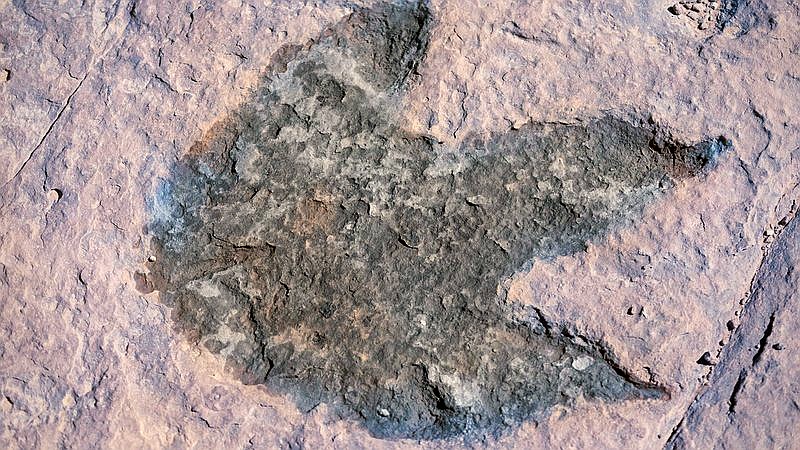
So, how are scientists figuring out what colors these long-extinct creatures were? The answer lies in melanosomes. These tiny structures are the key to unlocking the secrets of dinosaur skin pigment. And no, I hadn’t heard of them before either!
Melanosomes are organelles found within animal cells. Their primary function? To produce and store melanin, the pigment responsible for everything from our skin and hair color to the vibrant hues of bird feathers. In short, they’re the color factories of the animal kingdom. Pretty important.
Here’s the cool part: under the right conditions, melanosomes can be preserved in fossilized feathers and skin. Even after millions of years! And that’s where the detective work really begins. By carefully examining the shape and arrangement of these fossilized melanosomes, scientists can infer the original color of the dinosaur.
Turns out, the shape of a melanosome is directly linked to the color it produces. Long, narrow melanosomes tend to produce black or brown pigments, while rounder ones are associated with reddish or yellowish hues. Big difference. It’s like reading a color code written in the language of cells. Amazing!
Groundbreaking Discoveries: Vivid Examples of Dinosaur Colors
This research has led to some truly groundbreaking discoveries. We’re not just talking about subtle shades of beige anymore. We’re talking full-blown color palettes. Mind. Blown.
- Sinosauropteryx: This little guy was the first dinosaur whose color pattern was identified. And what a pattern it was! Scientists believe it sported ginger and white stripes along its tail – possibly for camouflage. Who knew a dinosaur could be a redhead?
- Microraptor: Forget dull gray feathers. This small, winged dinosaur was likely iridescent, with glossy black feathers that shimmered in the light. Think crow, but way cooler.
- Psittacosaurus: This is where it gets really interesting. Researchers reconstructed the coloration of a Psittacosaurus based on fossilized skin, revealing a dark back and a lighter belly – a pattern known as countershading. This type of camouflage is common in modern animals and helps them blend into their environment.
And those are just a few examples. Scientists are constantly uncovering new evidence of dinosaur color patterns, painting a much more colorful picture of the prehistoric world. A feathered dinosaur covered in bright colors? I’d pay to see that.
How Scientists Determine Dinosaur Colors
Alright, let’s get down to the nitty-gritty. How exactly do scientists pull all this information from ancient fossils? What methods do they use?
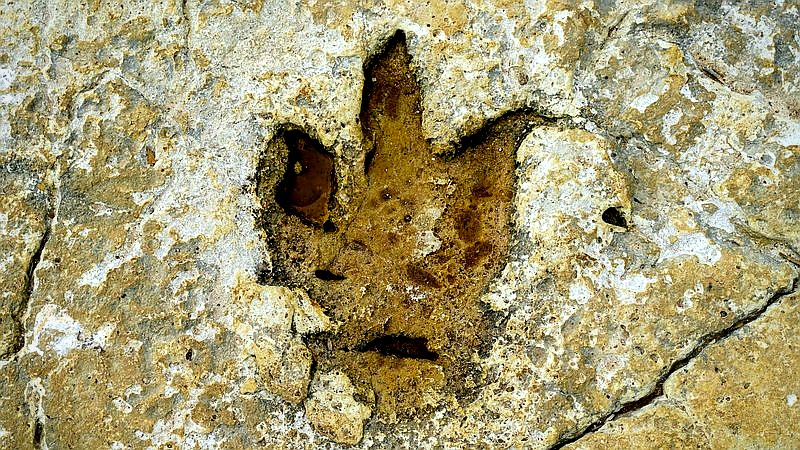
The primary technique is microscopic analysis of melanosome shape and arrangement in fossils. By using powerful microscopes, researchers can examine the tiny structures in detail and compare them to melanosomes found in modern animals. This comparison allows them to infer the original color of the dinosaur.
Chemical analysis of fossilized pigments is also possible, though rare. However, this method is extremely challenging due to the degradation of pigments over millions of years. But when it works, it provides direct evidence of the dinosaur’s coloration. Pretty cool, huh?
Of course, these methods aren’t without their limitations. Fossil degradation, incomplete information, and the challenges of interpreting ancient data all pose significant hurdles. That’s why scientists rely on multiple lines of evidence – combining melanosome analysis with anatomical studies and ecological considerations – to build the most accurate picture possible.
The Impact of Dinosaur Colors on Our Understanding
Look, So, what does all this mean? Why does it matter if we know what color dinosaurs were? It’s more than just an aesthetic upgrade, I promise.
Understanding dinosaur colors can provide valuable insights into their behavior. Color patterns could have influenced everything from camouflage and communication to thermoregulation and mate selection. For instance, a dinosaur with bold stripes might have used them to startle predators, while one with drab colors might have relied on camouflage to ambush prey.
This new understanding of dinosaur coloration is also leading to revised artistic depictions. Goodbye, boring brown dinosaurs. Hello, vibrant, colorful creatures that reflect the latest scientific findings! Modern documentaries already incorporate the new research. Watch an older one and it’s like looking at a completely different species.
But perhaps the most significant impact of this research is its implications for understanding dinosaur evolution and ecology. By studying their colors, we can learn more about how dinosaurs interacted with their environment, how they adapted to different ecological niches, and how they evolved over millions of years. It’s like unlocking a secret chapter in the history of life on Earth. A lot to unpack there.
And the future of fossil color research is bright (pun intended!). As new techniques and technologies emerge, we can expect even more exciting discoveries about the colors and patterns of these amazing creatures. Who knows what other secrets are waiting to be unearthed?
One thing’s for sure: the age of the dinosaur is far from over. In fact, it’s just getting started. And it’s turning out to be a lot more colorful than anyone ever imagined. National Geographic is a great source for keeping up on the latest paleontological discoveries.
Frequently Asked Questions
How do scientists know what color dinosaurs were?
Scientists study fossilized melanosomes, tiny structures that contain pigment. The shape of melanosomes can indicate the color a dinosaur once was.
Were all dinosaurs colorful?
It’s likely that many dinosaurs had specific color patterns, possibly for camouflage, display, or thermoregulation, but not all of them may have been brightly colored.
Can dinosaur colors change our understanding of their behavior?
Yes! Knowing their color patterns can provide insights into how dinosaurs interacted with their environment, such as using camouflage to hide from predators or bright colors to attract mates. This research is ongoing. The Natural History Museum has great exhibits and research updates on this topic.
Which dinosaur’s color is the best understood?
Sinosauropteryx is one of the dinosaurs whose color pattern is well-understood. Scientists believe it had ginger and white stripes.
Are the colors shown in movies accurate?
Older movies generally weren’t accurate. Modern documentaries incorporate the latest color research, depicting them with more realistic coloration.