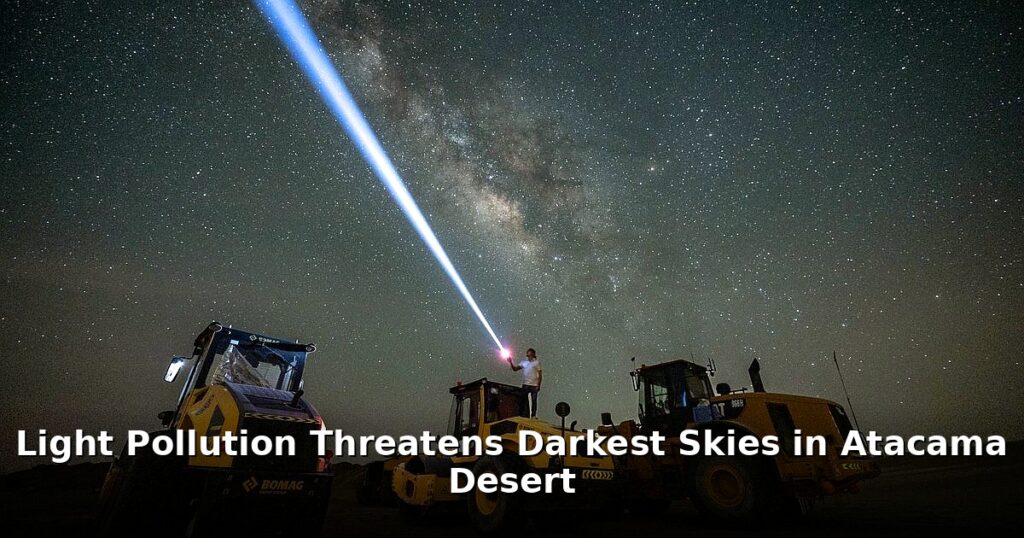

If you’ve been looking into light pollution, stargazing. It’s something that connects us to the vastness of the universe, a humbling experience that puts our little lives into perspective. But what happens when that connection fades, obscured by the glow of artificial light? That’s the looming threat facing one of the most extraordinary places on Earth: the Atacama Desert.
Table of Contents
- The Atacama Desert: A Natural Observatory
- Sources of Light Pollution in the Atacama
- The Impact of Light Pollution on Astronomical Research
- Ecological Consequences of Light Pollution
- Protecting the Atacama’s Dark Skies: What Can Be Done?
- Supporting Dark Sky Initiatives in Chile
- Frequently Asked Questions
The Atacama Desert: A Natural Observatory
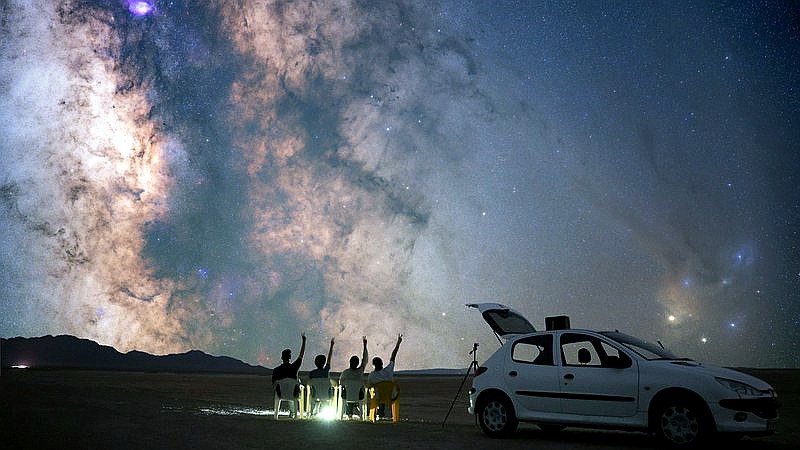
Imagine a place so dry, so high, that the atmosphere above it’s thinner and clearer than almost anywhere else on the planet. That’s the Atacama Desert in Chile. Its unique atmospheric conditions make it an absolute haven for astronomers. We’re talking about some seriously unparalleled viewing conditions, folks.
High altitude, minimal cloud cover, and exceptionally dry air all contribute to the light pollution-free environment. It’s no wonder that major international observatories have set up shop here, including the European Southern Observatory (ESO) and the Atacama Large Millimeter/submillimeter Array (ALMA). These facilities are making groundbreaking discoveries, peering into the deepest reaches of space and time. Check out our guide on Mirrors in the Sky: Outrage Over Proposed Night Brightening. We covered this in Zombie Worms Revived: Ancient Arctic Worm Reproduction!.
But it’s not just about the science. The dark skies of the Atacama also hold immense cultural importance for indigenous communities, who have long used the stars for navigation, agriculture, and spiritual practices. Losing these dark skies would be a loss for both scientific advancement and cultural heritage.
Sources of Light Pollution in the Atacama
So, what’s casting a shadow (or, more accurately, a glow) over this pristine environment? Several culprits are contributing to the increasing levels of light pollution in the Atacama.
- Urban Sprawl and Increasing Development: As towns and cities grow, so does their demand for lighting. More houses, more streetlights, more everything.
- Mining Operations and Industrial Lighting: The Atacama is rich in minerals, and mining is a major industry. These operations often require intense, 24/7 lighting, which spills out into the surrounding environment.
- Road Infrastructure and Vehicle Headlights: New roads and increased traffic mean more headlights cutting through the darkness.
- The Surprising Impact of Distant Cities: It’s easy to think the problem is only local, but even light from cities hundreds of miles away can contribute to the overall glow in the night sky.
Trust me, I know about bad lighting. I once put up a motion-sensor floodlight in my backyard, thinking I was being all secure and responsible. Instead, it triggered every time a moth flew by, turning my yard into a miniature stadium. Not great.
The Impact of Mining Operations
Mining operations in the Atacama are a significant concern. The scale of these projects, combined with their need for constant illumination, creates a substantial source of light pollution. It’s a delicate balance between economic development and environmental preservation — one that needs careful consideration.
The Impact of Light Pollution on Astronomical Research
Here’s the thing — For astronomers, light pollution is more than just an inconvenience — it’s a serious obstacle to their work. Think of it as trying to listen to a faint whisper in a crowded room. The fainter the celestial object, the harder it’s to see against the background glow of artificial light. It can have devastating consequences.
- Reduced Visibility: The obvious one. Faint celestial objects become harder or impossible to see.
- Increased Background Noise: Light pollution increases the overall background noise in astronomical data, making it harder to distinguish real signals from interference.
- Compromised Research: All this can lead to compromised research and delayed discoveries. Scientists might miss crucial data or misinterpret observations due to the interference of artificial light.
Look, And that’s before you even start thinking about the cost of advanced light pollution mitigation technologies. Observatories have to invest in specialized equipment and techniques to try to filter out the unwanted light, adding to the already substantial expense of astronomical research. No joke.
Ecological Consequences of Light Pollution
It’s not just the astronomers who suffer from light pollution. The natural world is also profoundly affected. After all, night is night for a reason. Creatures have evolved to behave in certain ways under the cover of darkness, and artificial light can throw everything out of whack.
Consider this: nocturnal animals rely on darkness for hunting, navigation, and reproduction. Light pollution can disrupt these behaviors, making it harder for them to find food, avoid predators, and find mates. And it’s not just animals; plant life cycles can also be affected by artificial light. Some plants rely on specific periods of darkness to regulate their growth and flowering.
Don’t forget the birds! Migratory birds, in particular, are vulnerable to light pollution. They use stars to navigate, and artificial light can disorient them, leading them to stray off course or collide with buildings. According to the National Audubon Society, light pollution is a major threat to birds. Learn more about how to help birds.
It all adds up to a significant impact on local ecosystems and biodiversity. And we’re only just beginning to understand the full extent of the damage. A lot to unpack there.
Protecting the Atacama’s Dark Skies: What Can Be Done?
Okay, so the situation sounds pretty grim. But there’s still hope! We can take action to protect the Atacama’s dark skies and mitigate the effects of light pollution. It’s going to take a concerted effort from governments, industries, and individuals, but it’s definitely achievable.
Here’s what most people miss: Here are some key steps we can take:
- Stricter Regulations on Outdoor Lighting: Governments need to implement and enforce regulations that limit the amount and type of outdoor lighting allowed, particularly near observatories and sensitive ecosystems.
- Promoting Responsible Mining Practices: Mining companies can adopt best practices to minimize light pollution, such as using shielded lighting and reducing unnecessary illumination.
- Encouraging Eco-Tourism and Dark Sky Tourism: Promoting tourism that values the dark skies can create economic incentives for protecting them. People will pay to see a truly dark sky!
- Raise Awareness: Education is key. The more people understand the impact of light pollution, the more likely they’re to support efforts to reduce it.
And we can’t forget about individual actions to reduce light pollution at home. You’d be surprised how much of a difference it can make.
- Use shielded outdoor lighting fixtures that direct light downwards.
- Reduce the amount of outdoor lighting you use. Do you really need that floodlight on all night?
- Use warmer-colored light bulbs (lower color temperature) for outdoor lighting. These are less disruptive to wildlife.
I’ll admit, I used to be a sucker for those super-bright, cool-toned LED lights. Thought they looked modern and sleek. But now I know better. Warm light is the way to go, both for ambiance and for the environment.
Supporting Dark Sky Initiatives in Chile
There are already organizations working hard to protect dark skies in Chile and around the world. Supporting these initiatives is a great way to make a difference. Look for opportunities to donate, volunteer, or advocate for policy changes. Even participating in citizen science projects can help gather valuable data on light pollution levels. The International Dark-Sky Association (IDA) is a great place to start. Visit their website to learn more and get involved.
We need to amplify their voices and demand action from our leaders. We can do this by:
- Staying informed about dark sky issues
- Contacting elected officials to voice concerns
- Supporting policies that promote responsible lighting
Protecting the Atacama’s dark skies isn’t just about preserving a beautiful view. It’s about safeguarding scientific progress, cultural heritage, and the health of our planet. Let’s work together to keep the stars shining bright for generations to come.
Frequently Asked Questions
What exactly is light pollution?
Light pollution is excessive or misdirected artificial light. It obscures the night sky, disrupts ecosystems, and has adverse health effects on humans and animals.
Why is the Atacama Desert so important for astronomy?
The Atacama Desert’s high altitude, dry climate, and minimal cloud cover create exceptionally clear and dark skies, ideal for astronomical observations.
What are the main sources of light pollution in the Atacama?
The primary sources include urban and industrial development, especially from mining operations, and increased road infrastructure.
How can I help reduce light pollution?
You can use shielded outdoor lighting, reduce unnecessary lighting, advocate for dark sky-friendly policies, and support organizations working to protect dark skies.
What are dark sky initiatives?
Dark sky initiatives are efforts to protect and preserve naturally dark environments by reducing light pollution through education, responsible lighting practices, and policy changes.