
Is SpaceX IPO a question of “if” or “when?” For years, the financial world has buzzed about the possibility of Elon Musk’s groundbreaking space exploration company making its debut on the public market. It’s a tantalizing prospect, imagining the average investor having a chance to own a piece of a company aiming for Mars. But, so far, it’s largely been speculation. What’s the real story, and how can you position yourself to potentially invest?
Table of Contents
The Buzz Around a Potential SpaceX IPO
The rumors surrounding a potential SpaceX going public event have been circulating for years. Elon Musk, however, hasn’t always been enthusiastic about the idea. He’s often expressed concerns about the pressures and short-term focus that come with being a publicly traded company. Remember when he tried to take Tesla private? It didn’t work out so well.
Despite Musk’s reservations, the persistent speculation suggests that a SpaceX IPO might be inevitable, particularly as the company continues to mature and require significant capital for its ambitious projects. One of the biggest catalysts for a potential IPO is the performance of Starlink, SpaceX’s satellite internet service. If Starlink proves to be a consistent and profitable revenue stream, it could significantly boost SpaceX’s valuation and make an IPO more attractive. A successful Starlink could mean a higher SpaceX stock price. Check out our guide on Amazon Spring Sale: Top Deals Under $25 Worth Buying. We covered this in China Factory Activity Surges: What It Means For You.
So, what should you look for? Keep an eye on official announcements from SpaceX itself. These are rare, but definitive. Also, track SEC filings. Any indication of a registration statement would be a strong signal that an IPO is in the works. These filings are publicly accessible through the SEC’s EDGAR database: www.sec.gov/edgar/search/
Understanding SpaceX’s Business and Valuation
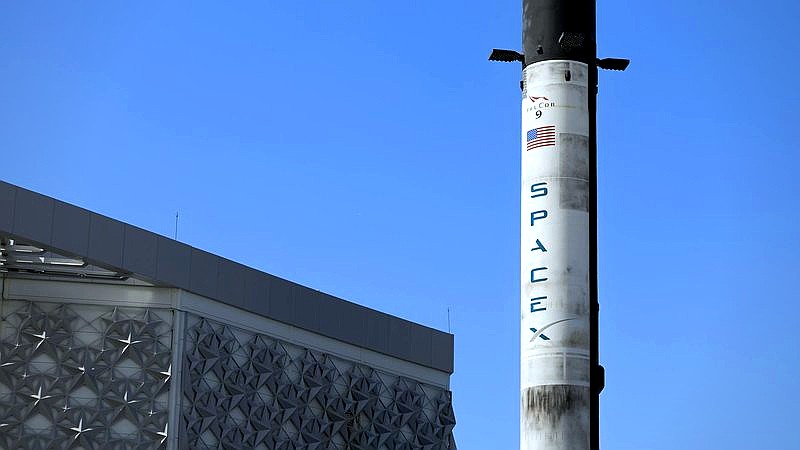
SpaceX isn’t just about rockets. While the Falcon 9 and Falcon Heavy rockets are the workhorses of its launch business, carrying satellites and cargo into orbit, they represent only a portion of the company’s overall activities. Its Starlink internet service aims to provide global broadband access, and its Starship program is focused on deep-space exploration, including missions to the Moon and Mars. These various ventures contribute to how we estimate a SpaceX valuation.
Estimating SpaceX’s worth is tricky because it’s a private company. But analysts often look at revenue, growth prospects, and comparable companies (though there aren’t many truly comparable) to arrive at a potential valuation. Some estimates put SpaceX’s valuation at over $100 billion, and some suggest it could go much higher as Starship nears operational readiness. Of course, these are just educated guesses. Actual market conditions during an IPO would play a massive role.
Key financial metrics to watch for, if and when pre-IPO reports become available, include: revenue growth, profitability (or at least a clear path to profitability), cash flow, and the size of its backlog of launch contracts. Keep your eye on metrics related to Starlink subscriptions, too. They’ll tell a story about the viability of that business unit.
SpaceX Competitors
- Blue Origin (Jeff Bezos)
- Virgin Galactic (Richard Branson)
- Rocket Lab
- United Launch Alliance (Boeing and Lockheed Martin)
How a SpaceX IPO Might Work: Structure and Timing
When (or if) SpaceX decides to go public, it will have to choose between different IPO structures. A traditional IPO involves working with investment banks to underwrite the offering and sell shares to institutional and retail investors. A direct listing, on the other hand, allows the company to list its existing shares on an exchange without raising new capital. Spotify and Palantir chose the direct listing route. Each has its pros and cons.
I’ll be honest — A traditional IPO provides the company with a fresh injection of cash, which could be used to fund further expansion or R&D. But it also involves higher fees and more regulatory scrutiny. A direct listing is simpler and cheaper, but it doesn’t raise new capital, and it can be more volatile in the early days of trading.
Predicting the exact timeline for a SpaceX going public event is impossible. It depends on market conditions, the company’s financial performance, and Musk’s own preferences. That said, if SpaceX does decide to pursue an IPO, the process could take several months, from the initial filing to the actual listing. Investment banks will play a crucial role in advising SpaceX on the IPO structure, pricing the shares, and marketing the offering to investors.

Investing in SpaceX Before an IPO: Alternative Options
Since you can’t directly buy SpaceX stock right now, are there other ways to get in on the action? Possibly. One option is to invest in companies that have already invested in SpaceX. For example, some venture capital funds hold shares of SpaceX. By investing in these funds, you could indirectly gain exposure to SpaceX. This can be tricky, as you’re also investing in all the other companies in the fund.
Investing in private companies carries significant risks. Information is often limited, and it can be difficult to sell your shares. Liquidity is a major concern. These investments are generally more suitable for accredited investors—individuals with a high net worth or income—who can better withstand the potential losses. If you’re not an accredited investor, your options may be limited, and you should proceed with extreme caution. This isn’t a get-rich-quick scheme.
The Risks and Rewards of Investing in SpaceX Stock
The potential upside of investing in SpaceX stock is enormous. The company is at the forefront of space exploration, a field with virtually unlimited growth potential. Its Starlink internet service could global communications, and its government contracts provide a stable revenue stream. These factors could drive significant appreciation in the stock price over time.
> Buter, there are also significant risks. Space exploration is inherently challenging, and SpaceX faces technological hurdles, competition from other space companies, and potential regulatory hurdles. Launch failures, delays in Starlink deployment, or changes in government priorities could all negatively impact the company’s performance. And let’s not forget that it’s tied to the vision of one man: Elon Musk. This can be a great strength, but also a weakness.
I wish I knew this sooner: investing should align with your risk tolerance. If you’re a conservative investor, a high-growth, speculative stock like SpaceX might not be the right fit. But if you’re comfortable with risk and believe in the long-term potential of space exploration, it could be an exciting opportunity.
Disclaimer: I’m not a financial advisor, and this isn’t financial advice. Investing in stocks involves risk, and you could lose money. Consider your own financial situation and consult with a qualified professional before making any investment decisions.
Frequently Asked Questions
Q: Is SpaceX publicly traded right now?
A: No, SpaceX is currently a private company. There’s speculation about a potential IPO, but nothing is confirmed.
Q: How can I invest in SpaceX?
A: Currently, you can’t directly buy SpaceX stock. You might be able to invest indirectly through venture capital funds that hold SpaceX shares. Seriously.
Q: what’s SpaceX’s potential valuation?
A: Estimates vary widely, but some analysts suggest SpaceX could be valued at over $100 billion, based on its revenue and growth potential.
Q: What are the risks of investing in SpaceX?
A: Like any investment, SpaceX carries risks, including technological challenges, competition from other space companies, and potential regulatory hurdles.
Q: When will SpaceX go public?
A: The timing of a potential SpaceX IPO is uncertain. Keep an eye on official announcements from the company or SEC filings. And that matters.
The possibility of a SpaceX IPO is undeniably exciting. It represents a chance to invest in the future of space exploration and potentially reap significant rewards. But remember: do your homework, assess your risk tolerance, and don’t invest more than you can afford to lose. The journey to the stars may be thrilling, but it’s not without its bumps along the way.