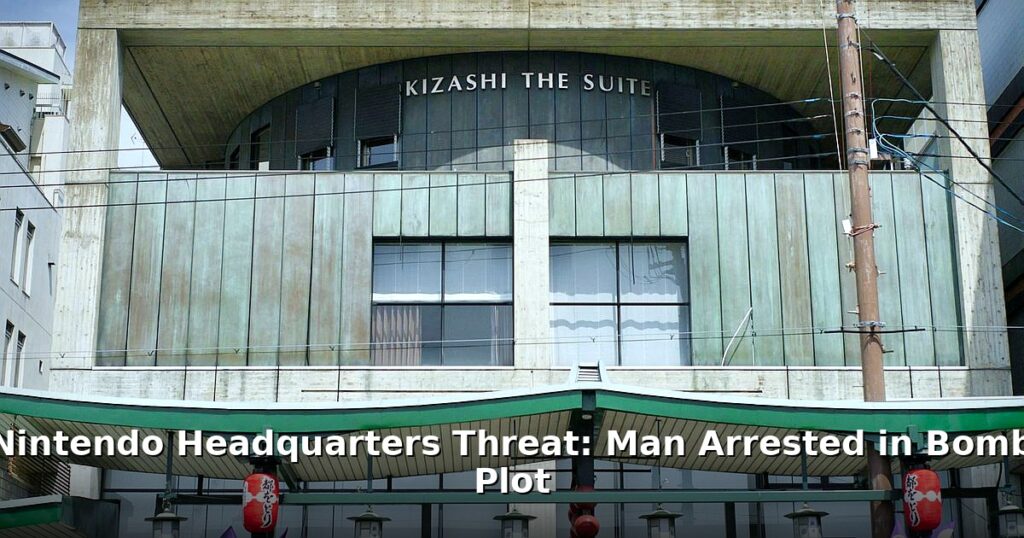

Imagine waking up to the news that someone threatened to blow up Nintendo headquarters threat. That’s exactly what happened recently, sending shockwaves through the gaming world and raising serious questions about security in the industry. It’s not just about protecting buildings; it’s about the safety of employees and the future of our favorite games. So, what exactly went down, and what does it mean for Nintendo and the rest of us?
Table of Contents
- Man Arrested for Nintendo Headquarters Threat: What Happened?
- Inside the Nintendo Security Response to the Threat
- Previous Security Concerns and Incidents at Nintendo
- The Aftermath: What Does This Mean for Nintendo and Its Fans?
- Broader Implications: Security in the Gaming Industry
- Frequently Asked Questions
Man Arrested for Nintendo Headquarters Threat: What Happened?
Reports started trickling in late last week: a man had been arrested in connection with a threat against Nintendo’s Kyoto headquarters. The alleged threat involved a claim that explosives had been planted and would be detonated. Police immediately launched an investigation to assess the credibility of the threat and, crucially, to ensure the safety of everyone involved.
Details are still emerging, but authorities believe the threat was communicated via a phone call to Nintendo’s switchboard. Can you imagine being the employee who answered that call? Not something you’d expect during your shift. The suspect’s identity hasn’t been fully released, but early reports suggest a history of minor offenses and a possible obsession with a particular Nintendo franchise. It’s a mess. Check out our guide on Zelda Tears of the Kingdom Mineru Amiibo Release Finally Happening!. We covered this in Lamborghini Fenomeno Roadster: Most Powerful Convertible EVER!.
As for motive, speculation is rife. Was this a disgruntled fan angry about a game release? Was it an attempt at extortion? Or something else entirely? Investigators are keeping their cards close to their chest, but we can expect more information to surface as the case progresses.

Inside the Nintendo Security Response to the Threat
How does a massive corporation like Nintendo react to something like this? You can bet they didn’t take it lightly. Their immediate response involved close coordination with local law enforcement. The Kyoto police department, along with Nintendo’s internal security team, worked together to sweep the building and assess any potential dangers.
Security measures were immediately ramped up at the Kyoto headquarters, including increased patrols, stricter access control, and enhanced surveillance. Nintendo understandably wants to project an image of calm and control, but behind the scenes, I imagine it was a frantic scramble to ensure everyone was safe. The impact on Nintendo employees must have been significant. Imagine going to work under that cloud of uncertainty. Nintendo likely offered counseling and support to help employees cope with the stress and anxiety caused by the threat. Nobody wants to think about explosives when they’re trying to debug the next Zelda.
Operational impacts are harder to quantify. While Nintendo hasn’t disclosed any specific disruptions, it’s reasonable to assume that some projects were temporarily delayed or rerouted as a result of the incident. Employee safety has to be the top priority.
Was there a Nintendo security breach?
While this event involved a physical threat rather than a Nintendo security breach in the digital sense, it still highlights vulnerabilities. A determined individual can cause significant disruption and fear, even without successfully breaching digital defenses. The lines between physical and cyber security are increasingly blurred. And it’s a trend that gaming companies need to take seriously.
Previous Security Concerns and Incidents at Nintendo
This isn’t the first time Nintendo has faced security issues. Like any major tech company, they’re constantly battling cyberattacks, including attempts to steal confidential information and disrupt online services. Distributed denial-of-service (DDoS) attacks, for example, have plagued Nintendo’s online gaming platforms in the past, causing frustration for players worldwide.
The truth is, The gaming industry, as a whole, is an attractive target for malicious actors. Why? Because it’s a multi-billion dollar industry with valuable intellectual property, millions of customer accounts, and a passionate fanbase. This combination makes gaming companies prime targets for everything from ransomware attacks to data breaches.

Nintendo has a long history of dealing with security issues, from tackling piracy to combating online cheating. They’ve invested heavily in security technologies and procedures to protect their assets and their customers. But this latest incident underscores the ever-present need for vigilance and adaptation. It makes you wonder what’s next.
The Aftermath: What Does This Mean for Nintendo and Its Fans?
What’s the long-term impact of this Nintendo bomb threat? It’s difficult to say for sure, but it’s likely to have several effects. First, there’s the potential damage to Nintendo’s reputation and brand image. While most people understand that the company was a victim in this situation, negative publicity can still take a toll. And let’s be real, reputation matters.
You can also expect Nintendo to further strengthen its security protocols and preventative measures. This will likely involve increased investment in physical security, cybersecurity, and employee training. Things like active shooter drills, enhanced background checks, and more sophisticated threat detection systems are all possibilities. A DHS resource on active shooter preparedness highlights the need for these measures.
The gaming community’s reaction has been a mix of shock, anger, and concern. Many fans have expressed their support for Nintendo and condemned the threat. Others have used the incident as an opportunity to criticize the company’s handling of certain issues, such as game pricing or online services. But that’s the internet for you.
Broader Implications: Security in the Gaming Industry
This incident isn’t just about Nintendo; it’s a wake-up call for the entire gaming industry. Other major gaming companies, like Sony (PlayStation) and Microsoft (Xbox), also face significant security threats. They’ve invested heavily in protecting their networks, data centers, and employees. But the threat landscape is constantly evolving, and new vulnerabilities are always emerging. Keeping up is hard.
The increasing threat landscape for the gaming industry includes everything from nation-state actors to individual hackers. These actors may be motivated by financial gain, political agendas, or simply the desire to cause chaos. The methods they employ range from sophisticated malware attacks to social engineering scams. It’s a constant arms race.
Proactive security measures and employee training are essential for mitigating these risks. Companies need to invest in firewalls, intrusion detection systems, and data encryption technologies. They also need to educate their employees about security and how to recognize and respond to potential threats. The human element is often the weakest link.
But here’s the thing: security isn’t just about technology; it’s about culture. Gaming companies need to foster a culture of security awareness, where employees feel empowered to report suspicious activity and take responsibility for protecting sensitive information. It’s a team effort.
Ultimately, the recent Nintendo headquarters threat serves as a stark reminder of the challenges facing the gaming industry. It highlights the need for constant vigilance, proactive security measures, and a strong commitment to protecting employees, customers, and intellectual property. The stakes are high, and the consequences of failure can be devastating. And it’s not just about games; it’s about trust. Can gaming companies maintain that trust in an increasingly dangerous world?
Frequently Asked Questions
What exactly was the Nintendo headquarters threat?
A man allegedly threatened to blow up Nintendo’s headquarters in Kyoto, Japan. The suspect was later arrested after police investigated the credibility of the Nintendo Kyoto threat.
Why would someone threaten Nintendo?
The truth is, The exact motives are still under investigation, but speculation includes disgruntled fans, mental health issues, or even attempts at extortion. More details are expected as the case unfolds.
What security measures does Nintendo have?
Like most major corporations, Nintendo likely has a multilayered security approach, including physical security, cybersecurity protocols, and employee training. They probably increased security after the threat.
Has Nintendo been threatened before?
While this particular bomb threat is a serious incident, gaming companies have faced other security issues in the past, like hacking attempts and DDoS attacks. Companies are targets due to valuable IP.
What happens to the person arrested for the Nintendo threat?
The suspect will face legal proceedings in Japan, potentially including charges related to making threats, disrupting business operations, and any other relevant crimes. The specifics depend on the investigation.