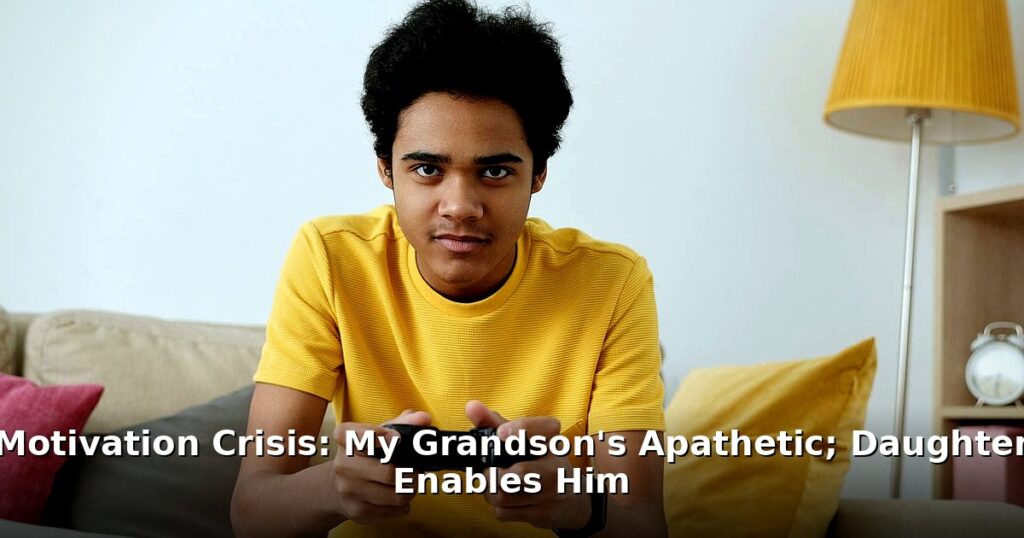

Eric, I’m writing to you out of desperation. My grandson, bless his heart, has a serious lack of motivation. He’s 16, and frankly, he acts like he’s 6. He barely attends his online classes, his grades are slipping, and he spends nearly all his time glued to his phone or computer. The real kicker? My daughter, his mother, enables him completely. She lets him stay up all night gaming, doesn’t enforce any rules about screen time, and makes excuses for him to his teachers. It’s creating so much stress in our family. What can I do? We’re worried sick about his future and the constant fighting is tearing us apart.
The Unmotivated Grandson and the Enabling Daughter
This situation isn’t unique. Grandparents often see things with a clarity that parents, caught in the daily grind, sometimes miss. What you’re describing is a confluence of issues, and it’s tough. Your grandson’s lack of motivation is the symptom, but the root causes are likely far more complex. First, let’s acknowledge the elephant in the room: the enabling behavior of your daughter. It’s coming from a place of love (presumably), but it’s ultimately harming her son. Allowing excessive screen time, avoiding discipline, and shielding him from the consequences of his actions only perpetuates the cycle of apathy. Think of it like this: if you keep giving a plant fertilizer but never water it, it’ll still wither. He needs more than just comfort; he needs structure and accountability.
And then there’s the impact on the family. Stress, strained relationships, sleepless nights – the emotional toll is heavy. You’re right to be concerned, not just for your grandson’s academic performance, but for his overall well-being. Apathy at 16 can easily snowball into bigger problems down the line. It’s about more than just grades; it’s about his ability to function as a healthy, productive adult. That’s a big deal. You might also enjoy: Quantum-Proof HTTPS: Google’s Data Compression Breakthrough. You might also enjoy: Resident Evil: Requiem Day One Patch & amiibo Date Revealed!.

Unpacking the Root Causes of Apathy
So, why the lack of motivation? It’s rarely one single thing. Technology overuse is a HUGE factor. Those screens are engineered to be addictive. The constant stream of notifications, the endless scroll, the dopamine hits from likes and new levels – it’s designed to keep him hooked. It’s like feeding him candy all day and expecting him to crave broccoli. The instant gratification of screens makes real-world activities seem… boring by comparison. Big difference.
Consider also the lack of real-world engagement. Is he involved in any hobbies, sports, or clubs? Does he have a part-time job or volunteer work? These activities provide opportunities for social interaction, skill development, and a sense of purpose. Without them, he’s missing out on crucial experiences that build confidence and resilience. And let’s not forget parenting styles. Overprotective parenting (often stemming from good intentions!) can inadvertently stifle a child’s independence and motivation. When kids are constantly shielded from challenges and failures, they don’t learn how to cope with adversity or develop a sense of self-efficacy.
Now, I want to be clear: it’s also essential to consider possible underlying issues. Is your grandson experiencing anxiety or depression? Does he have a learning disability that makes schoolwork particularly challenging? These are things you can’t diagnose on your own. If you suspect any of these issues, seeking professional help is crucial. A therapist or counselor can provide valuable insights and support. Worth it.
Practical Steps for Breaking the Cycle
Alright, enough diagnosis. Let’s talk solutions. You need a multi-pronged approach to break this cycle. First and foremost: limit screen time. This will be a battle, no doubt. Implement strict rules and consistently enforce them. Parental control apps can be your friend here (I personally like Bark), but don’t rely solely on technology. Open communication is key. Explain to your grandson why you’re setting these limits and how they will benefit him in the long run. (Easier said than done, I know.) Not ideal.
Next, encourage real-world activities. This might require some detective work to discover his hidden interests. Does he like animals? Maybe volunteering at a local shelter would be a good fit. Is he creative? Consider art classes or a photography club. The goal is to find something that sparks his curiosity and provides a sense of accomplishment. Don’t push too hard, though. Let him explore different options and find what resonates with him. And promote responsibility. Assign him chores around the house, ensure he completes his homework on time, and encourage him to take care of his personal hygiene. These seemingly small tasks can instill a sense of ownership and accountability.
Crucially, have an open and honest conversation with your daughter. This is delicate, I understand. Frame it as offering support, not criticism. Suggest that you both work together to create a consistent approach to parenting. Emphasize that you share the same goal: helping her son thrive. Maybe suggest family therapy? A neutral third party can sometimes facilitate communication and help everyone understand each other’s perspectives. It could be worth a shot.
Technology: A Tool, Not a Crutch
Let’s be real: technology isn’t going anywhere. The key is to transform your grandson’s relationship with it. Instead of just being a source of mindless entertainment, can it be a tool for learning and skill development? Absolutely! Educational apps, online courses, coding programs – the possibilities are endless. Find ways to channel his tech savvy into something productive.
Beyond that, establish healthy boundaries. Designate tech-free zones in the house (e.g., the dinner table, bedrooms) and set specific times when technology is off-limits (e.g., an hour before bedtime). And this is HUGE: lead by example. Parents and grandparents need to demonstrate healthy tech habits themselves. Put your own phones down during meals and family time. Show him that there’s more to life than staring at a screen. And don’t forget to share stories about your own experiences growing up before the internet and smartphones. What did you do for fun? What challenges did you face? Did you ever experience a lack of motivation, and if so, how did you overcome it? Sometimes, just hearing about the “old days” can provide a valuable perspective.
When to Seek Professional Help
You might not expect this, but Sometimes, despite our best efforts, professional intervention is necessary. If you observe persistent mood changes, social withdrawal, academic decline, or other concerning behaviors, don’t hesitate to seek help. A therapist, counselor, or educational psychologist can provide a comprehensive assessment and develop a tailored treatment plan. They can also offer support and guidance to the entire family. Think of it like taking your car to a mechanic when it’s making strange noises. You might be able to tinker with it yourself, but sometimes you need an expert to diagnose the problem and fix it properly. There’s no shame in it. None whatsoever.
Fostering Motivation for the Long Haul
Ultimately, the goal is to cultivate intrinsic motivation – that internal drive that comes from within. Encourage your grandson to explore his interests, develop his talents, and pursue his passions. Celebrate his successes, no matter how small, and provide positive reinforcement. Help him build self-esteem by focusing on his strengths and accomplishments. And teach him resilience. Life is full of setbacks and disappointments. The ability to cope with adversity and learn from mistakes is essential for long-term success and happiness.
Most importantly, create a supportive family environment characterized by open communication, empathy, and unconditional love. Let your grandson know that you’re there for him, no matter what. Listen to his concerns, validate his feelings, and offer encouragement and guidance. Show him that you believe in him, even when he doesn’t believe in himself. Because that’s what families are for. And sometimes, a little bit of faith can make all the difference.
Frequently Asked Questions
How much screen time is too much for a teenager?
The American Academy of Pediatrics recommends no more than two hours of recreational screen time per day. That said, it’s not just about the quantity of screen time, but also the quality. Consider the content being consumed and ensure that screen time doesn’t interfere with sleep, schoolwork, or physical activity.
What are some signs of technology addiction in teenagers?
Signs include preoccupation with technology, withdrawal symptoms when access is limited, neglecting responsibilities, lying about usage, and using technology to escape from problems. If you notice these signs, it’s important to address the issue early on.
How can I encourage my child to pursue activities outside of technology?
Expose them to different experiences, such as sports, arts, music, or volunteering. Support their interests and provide opportunities for them to connect with peers who share similar passions. Sometimes, all it takes is a little encouragement to discover a new hobby or interest.