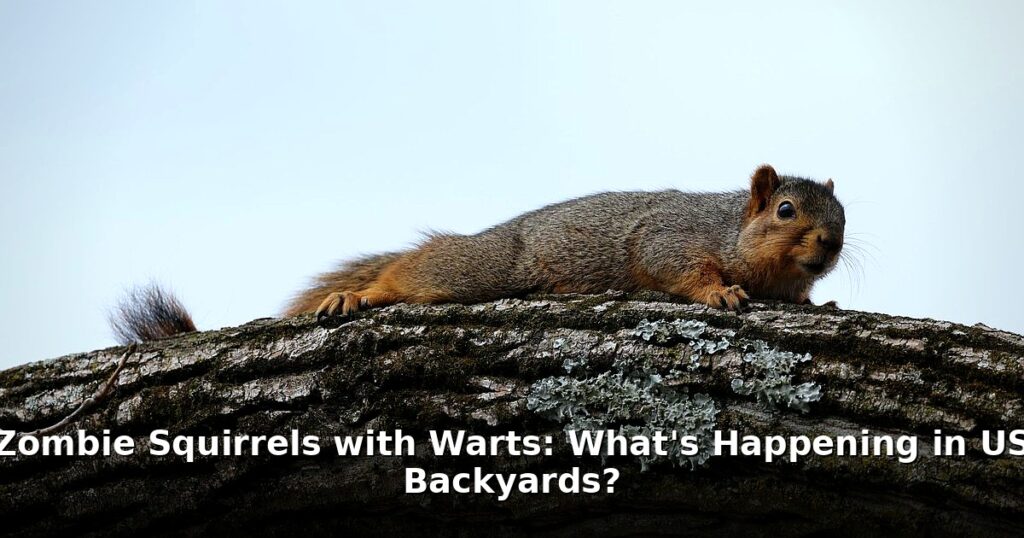

Imagine looking out into your backyard, expecting to see the usual fluffy-tailed acrobats chasing each other up trees, and instead, you spot something… else. Something unsettling. A squirrel, yes, but one covered in grotesque, oozing warts, giving it a truly nightmarish appearance. It’s no wonder people are calling these creatures zombie squirrels. They’ve been popping up in backyards across the US, and frankly, they look like something out of a horror movie.
Table of Contents
- Those ‘Zombie Squirrels’: Unpacking the Mystery of Squirrel Warts
- Is It Dangerous? Understanding the Risk to Pets and Humans
- What to Do If You Spot a Squirrel with Fibromas
- Squirrel Fibromas vs. Other Wildlife Bumps: Know the Difference
- Living Alongside Wildlife: Promoting a Healthy Backyard Ecosystem
- Frequently Asked Questions
But before you grab your zombie apocalypse survival kit, let’s take a deep breath. While their appearance is certainly alarming, there’s a scientific explanation behind these spooky sightings, and understanding it can help us react appropriately and without unnecessary panic.
Those ‘Zombie Squirrels’: Unpacking the Mystery of Squirrel Warts
The phenomenon is quite striking. We’re talking about growths that can range from small bumps to massive, cauliflower-like masses, often concentrated around the squirrel’s face, eyes, and limbs. They can make the poor animal look disfigured, almost unrecognizable as the cute critters we’re used to seeing. And yes, sometimes these growths can look a bit wet or even ‘oozing,’ contributing to the unsettling ‘zombie’ descriptor. Check out our guide on Recognize Stroke Signs FAST: Act Immediately to Save a Life. We covered this in Ebola Cases Soar in DR Congo: Children Face Escalating Risks.
The culprit behind these disturbing growths is a specific pathogen: the squirrel fibroma virus (SFV). This virus belongs to the poxvirus family, and it causes benign skin tumors known as fibromas or cutaneous warts. Think of them like warts humans get, but on a much more dramatic scale for squirrels. It’s a natural occurrence in squirrel populations, and while it might be new to your backyard, it’s not a new disease to science. No joke.
How does this virus spread among squirrel populations? Well, much like many other viruses, it’s primarily through direct contact. That means squirrels touching each other, but also through indirect contact, such as shared feeding areas or even possibly through insect bites – think mosquitoes or fleas. A tiny scratch or break in the skin is often enough for the virus to gain entry. Once a squirrel is infected, these fibromas can begin to grow, sometimes quite rapidly.
The good news? For many squirrels, these fibromas are more unsightly than deadly. They often regress on their own over several weeks or months, and the squirrel can make a full recovery. But the initial phase? Not pretty. Not pretty at all.
Is It Dangerous? Understanding the Risk to Pets and Humans
This is usually the first question people ask when they see something so unusual in their yard: are squirrel warts contagious to me or my pets? And I’m happy to report, the general consensus from the scientific community is largely reassuring. The squirrel fibroma virus is highly species-specific. This means it primarily affects squirrels and closely related rodents. It’s not known to be transmissible to humans, dogs, or cats. So, you can breathe a sigh of relief – your furry friend isn’t going to turn into a zombie dog after sniffing a sick squirrel.
However, while SFV itself isn’t a direct threat to us or our household pets, there are potential secondary concerns for the affected squirrels. Those large fibromas, particularly around the face, can impair a squirrel’s vision. Imagine trying to navigate a complex tree canopy with limited sight. Not great. They can also make eating difficult, especially if the growths obstruct the mouth or jaw movement. And if a squirrel can’t see well or forage effectively, it becomes weaker and more vulnerable to predators, like hawks, owls, or even stray cats. It’s a tough life out there for wildlife, and an illness like this just makes it tougher.
This brings me to a crucial point: not handling sick wildlife without proper precautions. Even if SFV isn’t a direct threat, wild animals can carry other diseases or parasites that are transmissible to humans or pets. Think rabies (though rare in small rodents), salmonella, or various parasites. If you encounter a sick animal, the best advice is always to keep your distance. Admire nature, but respect its boundaries. Big difference.
What to Do If You Spot a Squirrel with Fibromas
So, you’ve seen a zombie squirrel in your yard. What now? My general advice, and what most wildlife experts recommend, is to observe from a distance. don’t intervene. Wild animals are just that—wild. Interfering can cause them undue stress, and as we discussed, there’s always a risk of transmission for other, less benign pathogens.
When should you contact local wildlife rehabilitation or animal control? This is where it gets a little nuanced. If the squirrel appears severely incapacitated—say, it can’t move, is easily catchable, or is clearly suffering in a way that suggests it won’t recover naturally—then a call to a local wildlife rehabilitator or animal control might be appropriate. They have the expertise and equipment to assess the situation safely and humanely. But for a squirrel that’s still active, foraging, and just looks a bit lumpy? Let nature take its course. It sounds harsh, but it’s part of the natural process.
Preventing the spread of diseases like SFV among wildlife in your backyard is a proactive step you can take. Good backyard hygiene is key. I’m a big proponent of keeping bird feeders and water sources clean. My personal routine? I always give my bird feeders a good scrub with a diluted bleach solution once a month, especially after a period of heavy rain or if I notice a lot of bird traffic. It’s a simple habit that can make a big difference in preventing the buildup of bacteria, fungi, and yes, even viruses that could contribute to disease transmission among backyard visitors. Clean water dishes daily too. It’s just good practice for promoting good squirrel health and overall wildlife well-being.
Squirrel Fibromas vs. Other Wildlife Bumps: Know the Difference
It’s important to remember that not every lump or bump on a wild animal is a fibroma. There are other common animal skin conditions out there. Ticks, for example, can look like small, dark bumps, especially when engorged. Mites can cause skin irritation, hair loss, and scabbing. Then there are benign cysts or even abscesses from injuries. Big difference.
So, what are the visual cues for identifying fibromas specifically? they’re typically firm, rounded, and often hairless growths. They can be singular or clustered, and as mentioned, sometimes they can grow quite large. They’re usually distinct from the surrounding skin, not just a patch of irritated skin or a tiny insect. If you’re really curious, a quick image search for “squirrel fibroma” will show you what to look for, though I warn you, they’re not pretty.
Why does accurate identification matter for public understanding? Because understanding what you’re seeing can prevent unnecessary alarm. If you know it’s likely SFV, you know it’s generally not a threat to you or your pets. This knowledge empowers you to react calmly and appropriately, rather than panicking or trying to intervene in a way that could be harmful to yourself or the animal.
Living Alongside Wildlife: Promoting a Healthy Backyard Ecosystem
Wildlife diseases, while distressing to witness, are a natural part of the ecosystem. Natural selection and disease play a significant role in wild populations, culling weaker individuals and, in some ways, strengthening the overall genetic health of a species. It’s a harsh reality, but it’s how nature works. We often want to help every animal we see, but sometimes, our best intentions can disrupt natural processes.
Creating a balanced environment that supports wildlife without encouraging disease transmission is a goal we can all strive for. This means providing natural food sources (like native plants that produce nuts and seeds), clean water, and shelter, while also being mindful of congregation points like feeders that can become hotspots for disease if not properly maintained. It’s about balance—inviting nature in, but responsibly.
Ultimately, encouraging responsible wildlife viewing and education is key. Learn about the creatures that share your space. Understand their behaviors, their challenges, and their diseases. The more we know, the better we can appreciate the wild world around us and make informed decisions about how we interact with it. The sight of a zombie squirrel might be startling, but with a bit of knowledge about the squirrel fibroma virus, it becomes a fascinating, albeit slightly gross, lesson in backyard biology.
Frequently Asked Questions
Q: What causes the ‘warts’ on zombie squirrels?
A: The grotesque growths seen on these squirrels are caused by the squirrel fibroma virus (SFV). This virus leads to benign skin tumors, commonly referred to as fibromas or warts.
Q: Can squirrel fibroma virus spread to humans or pets?
Okay, so A: Generally, no. The squirrel fibroma virus is highly species-specific and isn’t known to be transmissible to humans, dogs, or cats. It primarily affects squirrels and related rodent species.
Q: Are ‘zombie squirrels’ in pain?
A: While the fibromas can look disturbing, they’re usually benign and often don’t cause significant pain unless they grow large enough to obstruct vision, breathing, or eating. Many squirrels recover spontaneously.
Q: What should I do if I see a squirrel with fibromas in my yard?
A: It’s best to observe from a distance and avoid direct contact. You can help by keeping bird feeders and water dishes clean to prevent disease transmission among wildlife. If the squirrel appears severely incapacitated, you may contact a local wildlife rehabilitator, such as your local humane society for guidance.