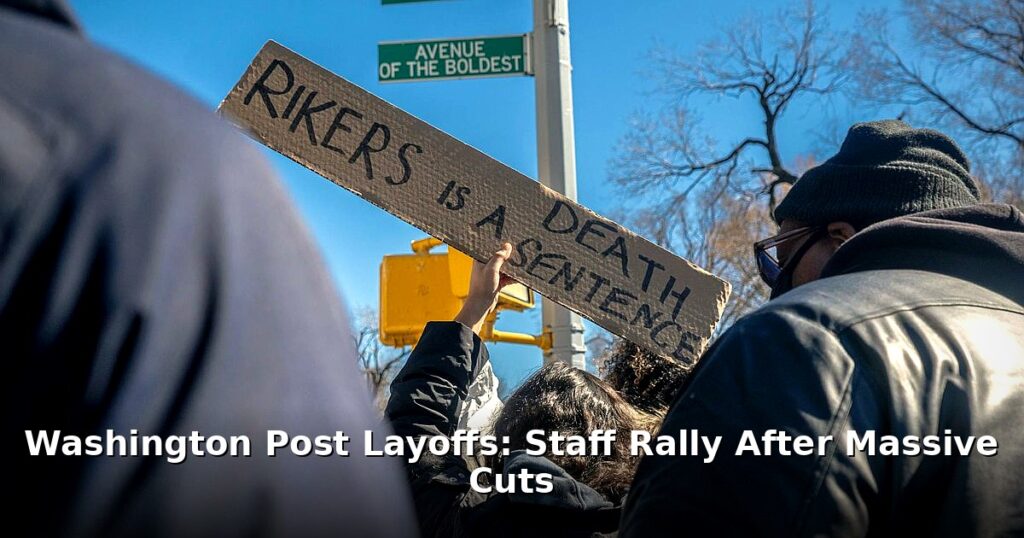

The air outside The Washington Post headquarters in downtown DC was thick with more than just humidity. It was frustration, anxiety, and a palpable sense of betrayal. Just days after Christmas, hundreds of employees learned their positions were being eliminated as part of a major restructuring. And so, they rallied.
The Washington Post layoffs sent shockwaves through the industry, a stark reminder that even the most respected institutions aren’t immune to the economic pressures reshaping news media. It wasn’t just about losing a job; it was about the future of journalism itself.
The Layoff Announcement at The Washington Post
The announcement came swiftly, delivered in a series of memos and meetings. Over 200 positions were cut, impacting various departments, including news, technology, and advertising. While some were offered buyouts, many others were simply let go. The Washington Post Guild, the union representing the newsroom employees, expressed outrage, calling the move “a devastating blow” to the organization. They argued that the cuts would undermine the Post’s ability to serve its readers and hold power accountable.
The layoffs weren’t a secret, per se. There’d been rumblings, whispers in the hallways, and that familiar knot of dread in the stomach that comes with uncertainty. But knowing something might happen is different from the gut punch of the actual announcement. People lost their jobs right before the holidays. It’s rough.

Why the Layoffs? Economic Pressures on News Media
To understand the Washington Post layoffs, you’ve gotta look at the broader economic forces at play in the news industry. The decline in print advertising revenue has been a slow-motion train wreck for decades. As readers migrate online, advertisers follow, leaving newspapers scrambling to find new revenue streams. Digital advertising, while growing, hasn’t fully compensated for the losses in print.
And then there’s the competition. The Washington Post isn’t just competing with The New York Times and The Wall Street Journal anymore. It’s battling for attention with every blog, social media platform, and content creator on the internet. That’s a lot of noise.
Beyond that, general economic headwinds, like inflation and fears of a recession, have further squeezed news organizations. Companies are cutting marketing budgets, which directly impacts advertising revenue for publications like The Post. These factors combine to create a perfect storm of financial challenges for the entire news industry.
Wish I knew this sooner: Even the most established, respected news organizations are vulnerable to these economic pressures. The old business models simply aren’t cutting it anymore.
The Staff Rally and Protest Outside Headquarters
The response to the Washington Post layoffs was immediate and passionate. Staff members, union representatives, and supporters gathered outside the Post’s headquarters, holding signs and chanting slogans. “Save Our Post,” “Quality Journalism Matters,” and “Invest in News, Not Layoffs” were just a few of the messages on display.
The mood was a mix of anger and sadness. People shared stories of their time at The Post, their commitment to journalism, and their fears for the future. One reporter, who had been with the paper for over 20 years, said, “This isn’t just about losing a job. It’s about losing a voice. It’s about losing the ability to hold those in power accountable.” Another staff member stated, “We’re fighting for the future of local news in DC. The Post is a vital institution, and we can’t let it be diminished.”
The Washington Post Guild has been vocal in its criticism of the layoffs, demanding that management reconsider the cuts and invest in the newsroom. They’ve also called for greater transparency and communication regarding the company’s financial situation.

Impact on the Washington Post’s Coverage and Future
What does all this mean for the future of The Washington Post? Layoffs of this magnitude inevitably impact the type and depth of news coverage the paper can provide. With fewer reporters and editors, the remaining staff will be stretched thin, potentially leading to a decline in investigative reporting and local news coverage.
Morale is another critical factor. When people are worried about their jobs, it affects their productivity and creativity. A newsroom operating under a cloud of anxiety isn’t going to produce its best work. The Post’s management has outlined plans for restructuring and adapting to the digital age, focusing on online subscriptions and new forms of content. But success hinges on investing in the remaining staff and fostering a culture of innovation.
It’s also worth considering the long-term implications for local DC news. The Washington Post plays a crucial role in informing the public and holding local government accountable. If its capacity is diminished, the consequences could be significant for the city.
My two cents: Layoffs usually mean increased workloads for those who remain. That’s just a reality. And when people are overworked and stressed, quality often suffers. It’s not a sustainable model.
Broader Implications for the News Industry
The Washington Post layoffs are just one example of a larger trend in the news industry. Similar cuts have been announced at other major news organizations, including CNN, BuzzFeed News (which shuttered), and Gannett, the largest newspaper chain in the US. These layoffs reflect the ongoing challenges of the changing business model of journalism.
The traditional advertising-based model is broken, and news organizations are struggling to find sustainable alternatives. Some are experimenting with paywalls, subscriptions, and membership models. Others are exploring new forms of funding, such as philanthropic donations and government subsidies.
Technology also plays a crucial role. News organizations need to embrace innovation and find new ways to reach audiences on digital platforms. This includes investing in data analytics, artificial intelligence, and new storytelling formats. Supporting quality journalism is more critical than ever. That means subscribing to your local newspaper, donating to non-profit news organizations, and actively seeking out reliable sources of information.
What’s Next for Affected Washington Post Employees?
For the hundreds of Washington Post employees affected by the layoffs, the future is uncertain. The company has offered severance packages and job placement services to help them transition to new roles.
Opportunities may exist in other media outlets, public relations, communications, or related fields. Networking is crucial. Connecting with former colleagues, attending industry events, and reaching out to potential employers can open doors. Developing new skills is also essential. Taking courses in data analytics, digital marketing, or content creation can make job seekers more competitive in the current market.
These are challenging times for journalism. The industry is evolving rapidly, and those who adapt and embrace new skills will be best positioned for success. It’s a tough situation, no doubt about it.
Disclaimer: I’m not a financial advisor, and this isn’t financial advice. Always consult with a qualified professional before making financial decisions.
The rally outside The Washington Post wasn’t just a protest; it was a statement. A statement that journalism matters. A statement that communities need reliable information. And a statement that the fight for a sustainable future for news isn’t over. It’s going to take creativity, innovation, and a collective commitment to supporting the vital role that journalism plays in a healthy democracy. The story of the Washington Post layoffs is a microcosm of the larger challenges facing the media layoffs and newspaper industry. Let’s hope it also becomes a catalyst for change.
Frequently Asked Questions
Q: Why did the Washington Post have layoffs?
A: The Washington Post, like many news organizations, is facing financial pressures due to declining print revenue and increased competition from digital media. These economic challenges forced the company to make difficult decisions regarding staffing.
Q: What impact will the layoffs have on the Washington Post’s coverage?
A: Layoffs can potentially affect the depth and breadth of news coverage. With fewer staff members, the remaining employees may face increased workloads, potentially impacting the time and resources available for in-depth reporting.
Q: Is the news industry struggling?
A: Yes, the news industry is facing significant challenges, including declining revenue and changing consumption habits. Many news organizations are exploring new business models and adapting to the digital age to remain sustainable.