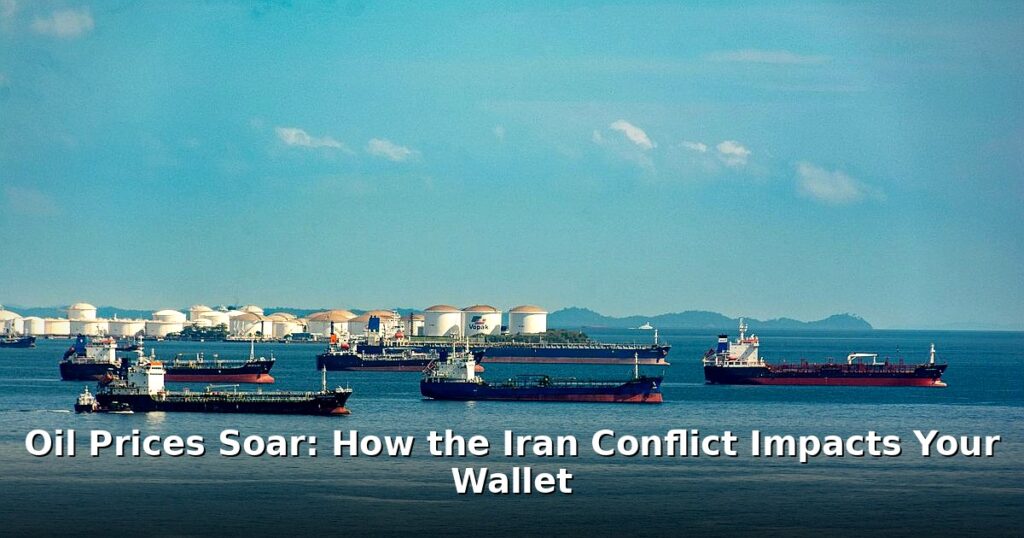

Your commute just got a little scarier. Not because of traffic (though that’s probably still awful), but because of what you’re paying at the pump. Oil prices are on the rise, and geopolitical tensions involving Iran are a major reason why. But how worried should you really be? Let’s break down what’s happening, why it matters to your wallet, and what, if anything, you can do about it. This isn’t financial advice, of course — just a friendly heads-up about the forces shaping your bank account.
Why Oil Prices Are Spiking Right Now
The short answer? Iran. More specifically, the potential for a wider Iran conflict and its impact on the already delicate energy market. Tensions in the Middle East are always a factor in global oil prices, but recent events have ratcheted up the anxiety.
Here’s what most people miss: We’re talking about concerns that conflict could disrupt vital oil supply routes, especially the Strait of Hormuz. This narrow waterway is a critical chokepoint, and any threat to its stability sends shivers through the market. It’s a matter of speculation versus actual supply disruption. Traders are pricing in the possibility of a major disruption, even if one hasn’t happened yet. Think of it as an “uncertainty tax” on every barrel. You might also enjoy: Iran Conflict: How Trump’s Actions Could Impact Your Wallet. You might also enjoy: Nvidia Stock: Analyst’s Shocking Post-Earnings Message.
And don’t forget OPEC+. This group of oil-producing nations, led by Saudi Arabia and Russia, constantly juggles production levels to influence global supply and demand. Their decisions (or lack thereof) can amplify or dampen the effects of geopolitical events. For example, if they decided to significantly increase production, it could help offset some of the upward pressure on oil prices caused by the Iran conflict. But if they hold steady or even cut production, expect prices to climb further. Talk about a balancing act.
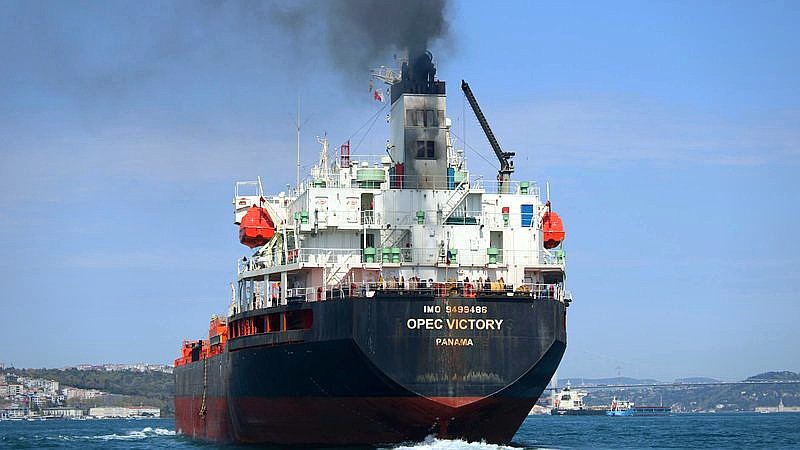
Something I wish I understood earlier? It’s not just about Iran’s own oil production. While Iran is a significant oil producer, their real power lies in their regional influence. They can exert pressure on other countries and non-state actors, potentially disrupting oil flows from multiple sources. It’s like a game of geopolitical chess, and oil is a key piece.
How the Iran Conflict Directly Impacts Oil Supply
What surprised me was that Let’s zoom in on the Strait of Hormuz, because this is where the rubber meets the road (or, more accurately, where the tankers meet the sea). As mentioned, it’s a crucial chokepoint for global oil supply. Imagine a highway narrowing to a single lane – that’s essentially what the Strait of Hormuz is for oil tankers. A huge amount of oil passes through it every day.
How much exactly? Estimates vary, but around 20 million barrels per day transit the Strait. That’s a significant chunk of the world’s oil supply. Any disruption there, even a temporary one, can have major consequences for global oil prices and the energy market. Think about the ripple effects. It’s a big deal.
Now, what are the potential scenarios? A naval conflict is the most extreme, of course. But even short of that, attacks on tankers are a real possibility. Increased insurance costs for ships transiting the area is another consequence. Insurers would demand higher premiums to cover the increased risk, and those costs would ultimately be passed on to consumers in the form of higher gas prices. Not fun.
Here’s what most people miss: Are there alternative supply routes? Yes, but they’re limited and often more expensive. Pipelines exist, but they don’t have the capacity to replace the volume of oil that flows through the Strait. Plus, building new pipelines takes time and money. So, for the foreseeable future, the Strait of Hormuz remains the most efficient and cost-effective route.
History offers some clues here. Previous disruptions in the region, whether due to wars, sabotage, or political instability, have always led to spikes in oil prices. The 1973 oil crisis, the Iran-Iraq War in the 1980s, and the 1990 Iraqi invasion of Kuwait are all stark reminders of how geopolitical events can send shockwaves through the energy market.
Gas Prices at the Pump: What to Expect
Here’s the thing — Here’s what you’re probably really wondering: How much higher will gas prices go? There’s a pretty direct correlation between crude oil prices and gasoline prices. When crude oil gets more expensive, so does the gas you pump into your car. But the connection isn’t always immediate.
Typically, it takes about 2-4 weeks for changes in crude oil prices to fully reflect at the pump. This is because gasoline retailers buy their fuel in advance, so there’s a time lag before they have to adjust their prices to reflect higher costs. Think of it as the fuel already in the pipeline. But rest assured, the adjustment will happen.
Regional variations also play a role. Gas prices tend to be higher in states with higher gas taxes or stricter environmental regulations, like California. Local market conditions, such as competition among gas stations, can also influence prices. So, your experience might vary depending on where you live.
Are there factors that could mitigate the impact? Absolutely. Increased domestic oil production in the US could help offset some of the price increases. Government intervention, such as releasing oil from strategic reserves, is another possibility (though often a temporary fix). But ultimately, the extent to which gas prices rise depends on the severity and duration of the disruption caused by the Iran conflict.
Let’s put some numbers on it. As a hypothetical example, a $10 increase in the price of a barrel of crude oil could translate to a roughly 25-cent increase in the price of a gallon of gasoline. But remember, this is just an illustration. Many factors influence the final price at the pump. (Disclaimer: This isn’t financial advice. These are illustrative examples only.) Not even close.
Inflation and the Broader Economic Effects
Rising oil prices don’t just hurt your wallet at the gas station. They contribute to overall inflation. Transportation costs rise, as companies have to pay more to ship goods. Energy costs for businesses also increase, which can lead to higher prices for consumers. Pretty wild, right?
This can have a ripple effect on consumer spending. When people spend more on gas and energy, they have less disposable income for other goods and services. This can slow down economic growth. And that’s never good.
The Federal Reserve pays close attention to inflation, and rising oil prices could prompt them to take action. One common response is to raise interest rates, which can help cool down the economy and curb inflation. But higher interest rates can also make it more expensive for businesses to borrow money, potentially leading to slower job growth.
There’s even the potential for stagflation – a combination of high inflation and slow economic growth. This is a particularly nasty scenario, as it’s difficult for policymakers to address. they’re damned if they do, damned if they don’t. Just something to think about.
I’ll be honest — Speaking of inflation, the latest Consumer Price Index (CPI) showed inflation running at around 3.5% annually. Energy prices played a noticeable role in that figure. (Disclaimer: This isn’t financial advice. Always consult official sources for the latest economic data.)
Investing in Energy: Opportunities and Risks
So, what about the investment angle? Rising oil prices can create opportunities in the energy market, but they also come with risks.
Oil and gas stocks might seem like an obvious beneficiary. But remember that these companies are also exposed to geopolitical risks. A sudden resolution of the Iran conflict, for example, could cause oil prices to fall, hurting their profitability. Renewable energy companies could also benefit, as higher fossil fuel prices make alternatives like solar and wind more attractive.
Diversification is key. Don’t put all your eggs in one basket, or in this case, one oil barrel. Spreading your investments across different sectors and asset classes can help mitigate the risks associated with fluctuating oil prices.
Consider ETFs and mutual funds focused on the energy sector. These funds allow you to invest in a basket of energy companies, rather than trying to pick individual winners and losers. It’s a less risky approach, but still comes with inherent market volatility.
What surprised me was that Disclaimer: This isn’t financial advice. Consult with a qualified financial advisor before making any investment decisions. Your personal financial situation and risk tolerance should guide your choices. I’m just a friendly blogger, not a fortune teller (though I sometimes wish I were!).
Frequently Asked Questions
How does the Iran conflict affect gas prices?
Real talk: The conflict raises concerns about oil supply disruptions, potentially leading to higher crude oil prices. These increased crude oil prices then translate into higher gas prices at the pump for consumers.
Will high oil prices cause a recession?
Real talk: Sustained high oil prices can contribute to inflation and slow economic growth, increasing the risk of a recession. However, it’s just one factor among many that determine the overall health of the economy.
How can I protect myself from rising gas prices?
Consider fuel-efficient driving habits, carpooling, public transportation, and exploring alternative transportation options. Monitoring your energy consumption at home can also help offset the impact of higher energy costs.
The situation with oil prices and the potential Iran conflict is complex and constantly evolving. While it’s impossible to predict the future with certainty, understanding the underlying dynamics can help you make informed decisions about your finances and your life. Keep an eye on the headlines, stay informed, and drive safely (and maybe a little slower to save on gas!).