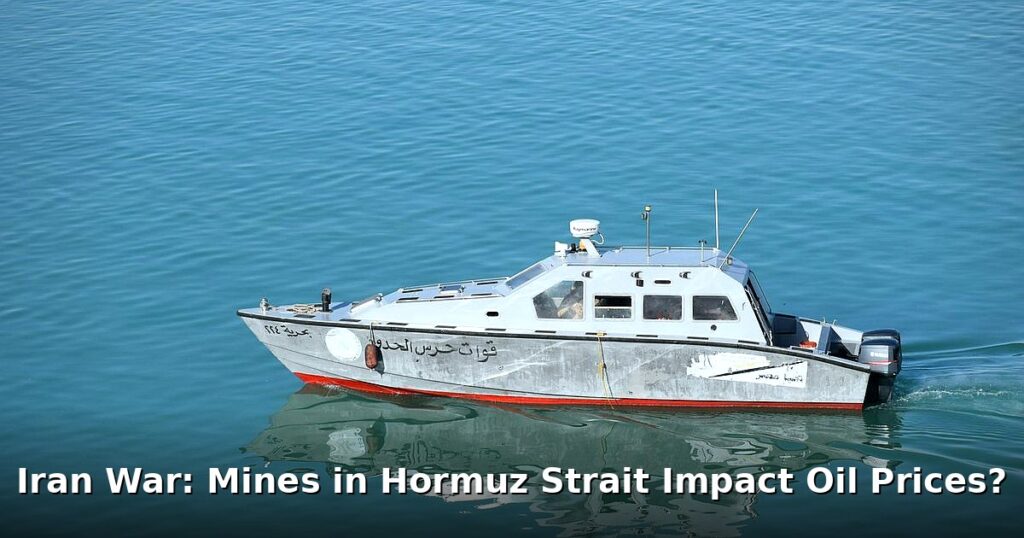

If you’ve been looking into Iran War, tensions in the Middle East are spiking again. Reports are surfacing that Iran has been laying mines in the Strait of Hormuz, a critical chokepoint for global oil supplies. The immediate question on everyone’s mind: how will this impact our wallets?
Table of Contents
- Iran Mines Strait of Hormuz: Tensions Escalate
- U.S. Military Response and Diplomatic Reactions to the Iran War
- Oil Price Shock: Market Reaction to the Hormuz Strait Crisis
- Global Economic Consequences of the Iran War
- Historical Context: Past Conflicts and Tensions in the Region
- Frequently Asked Questions
Iran Mines Strait of Hormuz: Tensions Escalate
The news is still developing, but the allegations are serious. Several sources, including maritime intelligence firms, are reporting increased Iranian naval activity within the Strait of Hormuz. This activity reportedly includes the deployment of naval mines – a move that directly threatens maritime traffic.
So far, confirmation from official international sources remains patchy. Intelligence agencies are likely working overtime to verify the claims. The U.S. Navy, which maintains a significant presence in the region, hasn’t yet issued a formal statement confirming the mining, but that doesn’t mean it isn’t happening. Check out our guide on Oil Price Drops: Trump Signals De-escalation, Markets React. We covered this in Dow Futures Tumble: Oil Prices Near $120 – Market Analysis.
The Strait of Hormuz is arguably the most strategically important waterway in the world for the energy market. It connects the Persian Gulf – home to some of the world’s largest oil producers – to the Gulf of Oman and the Arabian Sea. Millions of barrels of crude oil transit this narrow passage every single day. Disruptions here have a ripple effect on global energy markets and, consequently, on just about everything else.
A closure, or even a partial disruption, of the Strait would send shockwaves through the global economy. Think higher gasoline prices, increased shipping costs, and potential disruptions to supply chains. Not ideal.
- Roughly 21 million barrels of oil pass through the Strait daily.
- That’s about 21% of global petroleum liquids consumption.
- Alternative routes are limited, and significantly increase shipping times and costs.
Consider this: even a temporary blockage could send oil prices soaring. And sustained disruption? We’re talking potential recessionary pressures.
U.S. Military Response and Diplomatic Reactions to the Iran War
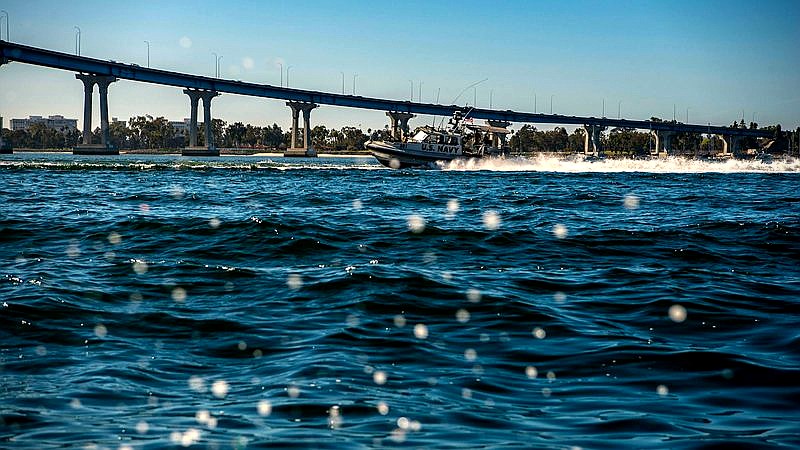
Here’s what most people miss: The U.S. military response is being closely watched. While details are still emerging, we can expect a multi-pronged approach. This likely includes increased naval patrols, enhanced surveillance, and potentially, the deployment of mine-countermeasure vessels. The goal? To deter further Iranian action and ensure freedom of navigation.
Statements from the White House and the Pentagon will be crucial. A strong, decisive message is intended to signal U.S. resolve and deter further escalation. But rhetoric can also inflame the situation. It’s a delicate balancing act.
Reactions from other countries are equally important. Key allies in the region, such as Saudi Arabia and the UAE, will likely condemn the Iranian actions and call for international action. European powers and China will probably urge restraint and a return to diplomatic negotiations. The UN Security Council could also get involved, potentially leading to resolutions and sanctions.
But diplomatic efforts are complicated. Decades of mistrust and failed negotiations haven’t made things easy. The potential for miscalculation is high, and any misstep could lead to further escalation. Nobody wants a full-blown conflict, but the risk is real.
The US response to Strait of Hormuz mining is complicated by a number of factors, including:
- The existing US military posture in the Middle East
- The potential for escalation with Iran
- The need to maintain freedom of navigation in the Strait
Oil Price Shock: Market Reaction to the Hormuz Strait Crisis
Almost immediately upon hearing the news, crude oil prices jumped. Brent crude, the international benchmark, surged several dollars per barrel. Futures markets are reflecting increased volatility and risk premiums. Not even close.
A lot of factors drive these price fluctuations. Fear, for one. Traders are pricing in the risk of supply disruptions. Speculation also plays a role. Some traders are betting that prices will go even higher, further fueling the rally. And then there are the fundamentals: actual supply and demand. If the Strait is blocked, supply will be constrained, pushing prices up.
We’ve seen similar oil price shocks before. The 1973 oil crisis, the Iran-Iraq War in the 1980s, and the 1990 Iraqi invasion of Kuwait all led to significant spikes in oil prices. Each event had its own unique characteristics, but they all underscore the vulnerability of the global economy to disruptions in the Middle East.
What’s the long-term outlook for oil prices? That’s the million-dollar question (or, more accurately, the trillion-dollar question). Some analysts believe that prices will remain elevated for the foreseeable future, given the geopolitical risks. Others argue that increased production from other sources, such as the U.S., will eventually offset any supply disruptions. It’s really anyone’s guess.
Global Economic Consequences of the Iran War
Higher oil prices translate to higher inflation. Transportation costs increase, which in turn drives up the price of goods and services. Consumers feel the pinch at the pump and in the grocery store. Businesses face higher input costs, squeezing their profit margins.
This can also slow down economic growth. Consumers have less disposable income to spend, and businesses may postpone investments due to uncertainty. The overall effect is a drag on the economy. Not fun.
Certain industries are particularly vulnerable. Transportation, airlines, and manufacturing are all heavily reliant on oil. These sectors could face significant challenges if prices remain high for an extended period. Supply chains are also at risk. Disruptions to shipping routes could lead to delays and shortages of goods.
So, how can investors protect their portfolios in the face of this geopolitical risk oil prices? Diversification is key. Consider allocating some of your assets to safe-haven investments, such as gold or government bonds. Review your portfolio’s exposure to energy stocks and other sectors that are sensitive to oil price fluctuations. And remember, this isn’t financial advice. Consult with a qualified professional before making any investment decisions. It’s your money, treat it with respect.
The potential impact on global markets is huge. Everything from stock prices to currency values could be affected. It’s a time for caution and careful planning.
Historical Context: Past Conflicts and Tensions in the Region
Fair warning: The Strait of Hormuz has been a flashpoint for decades. Iran and other regional powers have a long history of disputes over maritime rights and territorial claims. There have been numerous incidents involving attacks on tankers, naval skirmishes, and other provocations.
A key factor is the underlying instability in the region. Sectarian conflicts, political rivalries, and economic grievances all contribute to the tensions. And then there’s the role of external powers. The U.S., Russia, and China all have strategic interests in the Middle East, and their involvement further complicates the situation.
What lessons can we learn from past conflicts? One is that miscalculations can have devastating consequences. Another is that diplomacy is essential, even when it seems impossible. And a third is that there are no easy solutions. The Middle East is a complex and volatile region, and finding a path to lasting peace will require sustained effort and compromise.
Here’s the thing — To understand the complexities, consider this timeline of past incidents:
- 1984-1988: Tanker War during the Iran-Iraq War
- 2008: U.S. Navy confronts Iranian speedboats
- 2019: Attacks on oil tankers in the Gulf of Oman
These events highlight the constant threat to maritime security in the region.
Frequently Asked Questions
Q: Why is the Strait of Hormuz so important?
A: The Strait of Hormuz is a narrow waterway connecting the Persian Gulf to the Gulf of Oman and the Arabian Sea. A significant percentage of the world’s oil supply passes through it, making it a vital strategic chokepoint.
Q: How will this conflict impact oil prices?
A: Escalating tensions in the Strait of Hormuz typically lead to increased oil prices due to concerns about supply disruptions. The extent of the price increase depends on the severity and duration of the crisis. Not even close.
Q: what’s the US military’s role in the region?
A: The US Navy maintains a strong presence in the Persian Gulf to ensure freedom of navigation and protect US interests. Their response to the mining of the Strait of Hormuz is likely aimed at deterring further aggression and securing the waterway.
Q: Could this escalate into a larger conflict?
A: there’s a risk of escalation if miscalculations or provocations occur. Diplomatic efforts and international pressure are crucial to preventing a wider conflict. Then again, predicting the future is always difficult and outcomes are rarely assured.
Q: How can investors protect their portfolios?
A: During periods of geopolitical uncertainty, diversification is key. Investors may consider allocating to safe-haven assets like gold or government bonds, and reviewing their portfolio’s exposure to sectors sensitive to oil price fluctuations. This isn’t financial advice, consult with a professional.
This situation underscores the interconnectedness of global events and our own financial well-being. The Iran War and its associated risks can feel distant, but the potential impact on your wallet is very real. Staying informed, diversifying your investments, and seeking professional financial advice are crucial steps to protect yourself.
You can follow developments from trusted sources, such as the U.S. Energy Information Administration (EIA) and Reuters (Reuters), for reliable updates. And of course, consult your financial advisor.