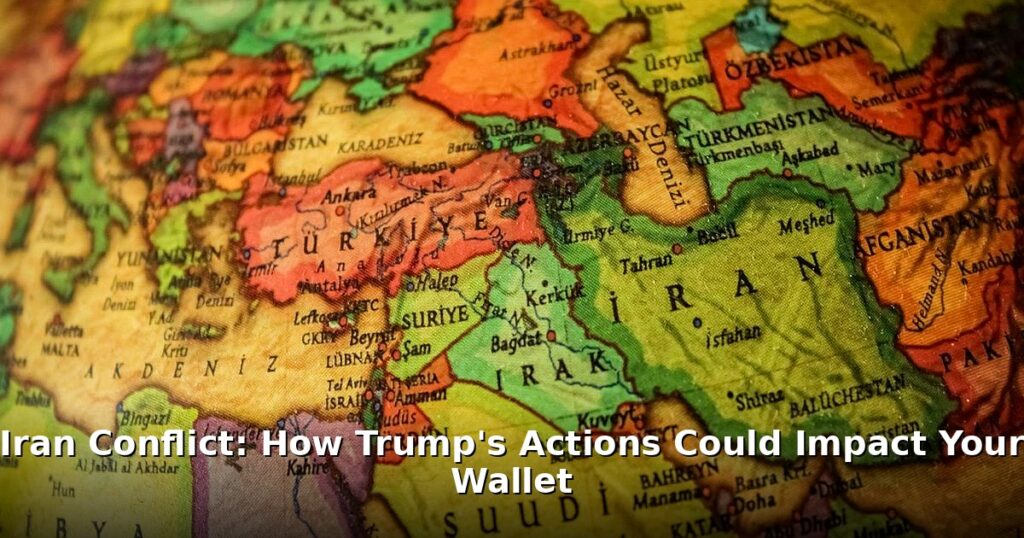

The headlines are alarming: escalating tensions, military posturing, threats of retaliation. The Iran conflict, simmering for years, is threatening to boil over. But beyond the geopolitical headlines, what does this all mean for your wallet?
It’s easy to feel disconnected from international affairs. Airstrikes in faraway lands? That’s someone else’s problem, right? But globalization means that conflicts thousands of miles away can have a surprisingly direct impact on your everyday life. From the price of gas to the stability of your retirement savings, the repercussions of a prolonged Iran conflict could be significant.
The Escalating Tension: A Quick Recap
The US-Iran relationship has been fraught for decades, marked by periods of cautious diplomacy and outright hostility. The Trump administration’s withdrawal from the Iran nuclear deal in 2018 and subsequent imposition of sanctions ratcheted up tensions considerably. The stated goal? To curb Iran’s nuclear ambitions and regional influence. Motivation? Complex, involving national security concerns, strategic alliances, and domestic political considerations. Sources like the Associated Press and Reuters have consistently covered these developments. You might also enjoy: Nvidia Stock: Analyst’s Shocking Post-Earnings Message. You might also enjoy: Paramount+ WBD Merger Faces Antitrust Probe: What’s Next?.
Iran, for its part, has responded with defiance, gradually reducing its compliance with the nuclear deal and engaging in regional activities that the US and its allies view as destabilizing. We’ve seen attacks on oil tankers in the Persian Gulf, alleged support for proxy groups in regional conflicts, and advancements in its nuclear program. The regional implications are immense, potentially drawing in countries like Saudi Arabia, Israel, and others.
Oil Prices Surge: Why This Matters to You
Here’s where things start to hit home. Geopolitical instability, particularly in the Middle East – a region responsible for a significant chunk of global oil production – almost always sends oil prices soaring. Why? Because the fear of disruption to supply outweighs actual barrels lost. Traders react to uncertainty, and uncertainty is the name of the game right now.
History offers some stark examples. The 1973 oil crisis, triggered by the Yom Kippur War and the Arab oil embargo, saw prices quadruple, leading to widespread economic hardship. The 1990 Iraqi invasion of Kuwait similarly caused a sharp spike. And let’s not forget the more recent, albeit smaller, price fluctuations following attacks on Saudi oil facilities. These events underscore a simple truth: when the Middle East sneezes, the global economy catches a cold.
The immediate impact? Gasoline prices. According to AAA data, the national average for a gallon of regular gasoline typically jumps at the mere whisper of conflict in the Middle East. Even a relatively small increase can put a strain on household budgets, especially for those who rely heavily on their cars for commuting or work. But it doesn’t stop there. Higher oil prices ripple through the entire economy, impacting transportation costs for goods and services, airline fares, and even the price of your groceries.
Inflation on the Horizon? The Potential Impact
Higher energy costs are a major ingredient in the recipe for inflation. When it costs more to transport goods, produce food, and heat homes, those costs are inevitably passed on to consumers. We’re already seeing signs of this in certain sectors. Food prices, for instance, have been creeping up, and that’s before any major escalation. A full-blown Iran conflict could accelerate this trend significantly.
Think about it: everything from the clothes you wear to the electronics you use relies on transportation. Increased fuel costs translate directly into higher prices on store shelves. Service industries, too, aren’t immune. Restaurants, for example, face higher costs for food delivery and utilities. It’s a domino effect, and it hits low-income households the hardest.
How might the Federal Reserve respond? Potentially with interest rate hikes. Raising interest rates is a common tool used to combat inflation. It makes borrowing more expensive, which can cool down economic activity and slow price increases. But higher interest rates can also have negative consequences, such as slowing economic growth and potentially triggering a recession. Economists are divided on the likely path of inflation and the Fed’s response. Some predict a modest increase in inflation, while others warn of a more significant surge, especially if the Iran conflict disrupts global supply chains. It’s a guessing game, frankly.

Stock Market Volatility: Investor Anxiety Rises
The stock market hates uncertainty, and geopolitical crises are a prime source of it. Historically, periods of heightened tension have been associated with increased stock market volatility. Investors become jittery, and selling pressure can intensify, leading to sharp declines. This isn’t always a sustained downturn, but it can be unsettling, to say the least.
Some sectors are particularly vulnerable. Airlines, for example, face higher fuel costs and potential travel disruptions. The tourism industry, too, can suffer as people become hesitant to travel to perceived danger zones. On the other hand, certain assets tend to perform well during times of crisis. Gold, for instance, is often seen as a safe-haven asset, as is US Treasury bonds. Investors flock to these assets seeking stability and security. It’s a flight to safety.
What should you do with your portfolio? Analysts often recommend diversifying your investments to mitigate risk. Don’t put all your eggs in one basket, as they say. Consider spreading your investments across different asset classes, sectors, and geographic regions. And, crucially, maintain a long-term perspective. Trying to time the market based on geopolitical events is a risky game.
The Geopolitical Chessboard: Long-Term Economic Implications
The long-term economic implications of a prolonged Iran conflict are complex and far-reaching. It could disrupt global trade, particularly in the energy sector. Worth noting — it could also strain supply chains, leading to shortages and higher prices for various goods. The role of other major powers, such as China and Russia, adds another layer of complexity. These countries have their own strategic interests in the region, and their actions could either exacerbate or help de-escalate the conflict.
Worst-case scenarios? A full-blown regional war could have devastating economic consequences, not just for the Middle East but for the entire world. Think higher energy prices, widespread inflation, and a global recession. But it’s not all doom and gloom. Diplomatic solutions are still possible. De-escalation could lead to a return to stability and a rebound in economic activity.
Protecting Your Finances: Practical Tips for Navigating Uncertainty
So, what can you do to protect your finances in the face of this uncertainty?
- Diversify your investments: As mentioned earlier, diversification is key to mitigating risk.
- Review your budget: Identify areas where you can cut back on spending, particularly if energy prices continue to rise.
- Consider energy-efficient alternatives: Think about switching to a more fuel-efficient car, investing in energy-efficient appliances, or improving your home’s insulation.
These are just a few practical steps you can take to prepare for potential economic challenges. It’s about being proactive and taking control of your financial situation.
Disclaimer: This information is for general knowledge and informational purposes only, and doesn’t constitute financial advice. it’s essential to consult with a qualified financial advisor before making any investment decisions.
Frequently Asked Questions
How does the Iran conflict affect oil prices?
Geopolitical instability in the Middle East, a major oil-producing region, often leads to supply concerns and price increases. Even the threat of disruption can cause spikes.
Could this conflict trigger a recession?
While a recession isn’t guaranteed, a prolonged conflict with significant economic consequences could increase the risk. Rising inflation and decreased consumer spending are key factors to watch.
What investments are considered safe during times of geopolitical uncertainty?
Traditionally, investors turn to safe-haven assets like gold, US Treasury bonds, and the Swiss Franc during periods of global instability.
Navigating these uncertain times requires a clear head and a proactive approach. Staying informed, understanding the potential risks, and taking steps to protect your finances can help you weather the storm. Wish I knew all of this sooner? Probably, but better late than never. Don’t wait for the crisis to hit before you start preparing. The time to act is now.