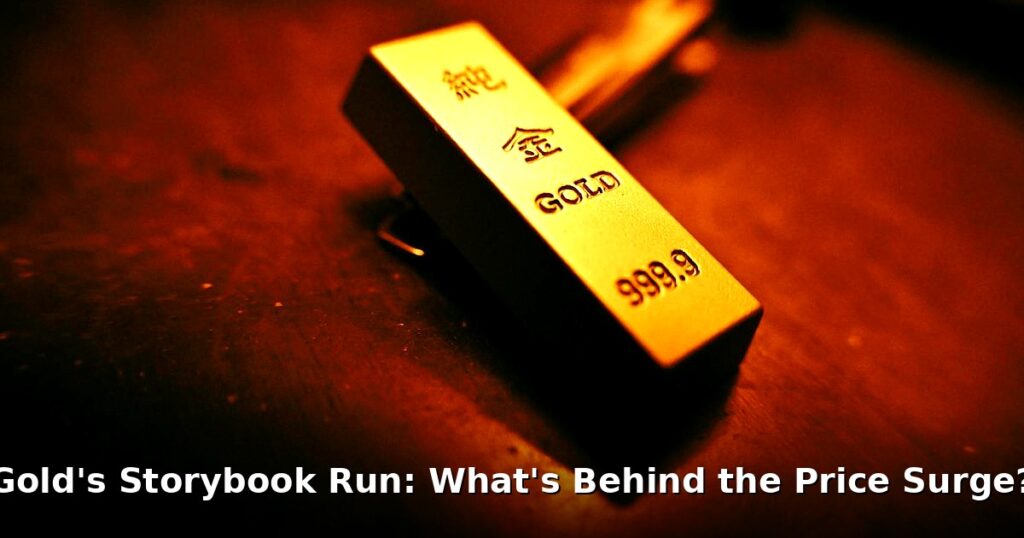

Remember when gold investing was something your grandpa talked about? Well, maybe it’s time to dust off those old ideas. The shiny metal is making headlines again, and this time, it’s not just about jewelry. We’re seeing a real gold price surge, and understanding why is crucial, whether you’re a seasoned investor or just starting to think about your financial future.
Gold’s Recent Price Action: A Golden Era?
Gold has been on a tear. For a long time, $2,000 per ounce felt like a ceiling, something it flirted with but never really broke through decisively. But recently? Boom. We’ve not only punched through that level, but we’ve also established new all-time highs. I remember back in 2020 when gold peaked – it felt exciting then, but this feels different. There’s a sense that this rally has more staying power.
Looking at the numbers, gold has climbed significantly in recent months, surpassing $2,300 per ounce in April 2024. That’s a serious move. And it’s not just a short-term blip. The gold price surge has been building momentum for a while, fueled by a confluence of factors. So what’s driving this golden bull run? Seriously. You might also enjoy: Trump’s JPMorgan Accounts Closed After Jan 6: What Happened?. You might also enjoy: Bay Area Carmaker Layoffs: Value Plummets, Jobs Lost.
- Inflation fears – are they finally translating into gold demand?
- Geopolitical uncertainty – the world feels pretty unstable right now.
- Interest rate expectations – will the Fed play ball and cut rates?
- Central bank buying – are they hoarding gold like it’s the end of the world?
We’ll unpack each of these, but the key takeaway is that it’s not just one thing pushing gold higher. It’s a perfect storm of economic and political forces.
Inflation Fears: Is Gold the Ultimate Hedge?
Gold’s reputation as an inflation hedge is legendary. The idea is simple: as the value of fiat currencies erodes due to inflation, gold, with its limited supply, tends to hold its value or even increase in price. It’s supposed to be a safe haven when your dollars (or euros, or yen) aren’t buying as much stuff.
Fair warning: But here’s the rub: the relationship between gold and inflation hasn’t always been straightforward recently. We’ve seen periods of high inflation where gold hasn’t performed as expected. Why? Several factors can influence this, including real interest rates (more on that later), investor sentiment, and the availability of other inflation-protected assets.
Right now, inflation is still a concern, though it has cooled off from its peak. The latest CPI (Consumer Price Index) data shows inflation running higher than the Fed’s target of 2%. This persistent inflation is definitely contributing to the gold price surge, as investors seek ways to protect their portfolios from losing purchasing power. But is gold the only option? Of course not.
Treasury Inflation-Protected Securities (TIPS) are designed to increase in value along with inflation. Real estate, particularly in certain markets, can also act as an inflation hedge. Commodities, broadly speaking, tend to rise in price during inflationary periods. It’s about diversifying your approach, not putting all your eggs in one golden basket.
Geopolitical Uncertainty: Flight to Safety?
Let’s face it: the world is a pretty anxious place right now. The war in Ukraine, tensions in the South China Sea, and various other global hotspots are creating a climate of uncertainty. And when uncertainty reigns, investors often seek the perceived safety of safe haven assets like gold. This is classic flight-to-safety behavior.
Think of it this way: when geopolitical risks escalate, people get nervous. They worry about the stability of their investments and the potential for economic disruption. Gold, with its history as a store of value, becomes an attractive alternative to riskier assets like stocks or bonds. This increased demand pushes the gold price surge even higher.
It’s tough to put precise numbers on the impact of specific geopolitical events on gold prices, but you can often see a spike in demand (and price) following major events. For example, after Russia’s invasion of Ukraine, gold prices jumped noticeably as investors sought refuge from the turmoil.
And it’s not just individual investors. Central banks, particularly those in countries with strained relationships with the West, have been increasing their gold reserves. This is partly a way to diversify away from the US dollar and reduce their reliance on Western financial systems. China and Russia have been particularly active in this regard, adding significant amounts of gold to their holdings in recent years.

Interest Rate Outlook: A Tailwind for Gold?
Here’s where things get a bit more technical, but stick with me. There’s generally an inverse relationship between interest rates and gold prices. When interest rates rise, gold tends to become less attractive, and vice versa. Why? Because gold doesn’t pay any interest or dividends. So, when interest rates are high, investors can earn a decent return on other assets, like bonds, making gold less appealing.
Conversely, when interest rates are low (or even negative, in some parts of the world), gold becomes more attractive because the opportunity cost of holding it’s lower. And that’s where we’re now. While the Federal Reserve has been raising interest rates to combat inflation, there’s growing expectation that they will eventually start cutting rates. This expectation is acting as a tailwind for gold, contributing to the gold price surge.
Real interest rates – that’s, interest rates adjusted for inflation – are particularly important. If inflation is higher than nominal interest rates, you end up with negative real interest rates. In this scenario, holding cash actually loses you money over time. Gold, in contrast, might hold its value, making it a relatively more attractive option. So, keeping an eye on real interest rates is crucial for understanding gold’s performance.
The Fed’s commentary is also key. Any hints about future rate cuts tend to boost gold prices, while hawkish signals (indicating further rate hikes) can put downward pressure on the metal. Pay attention to what the Fed is saying – it can give you clues about where gold is headed.
Central Bank Demand: The Silent Accumulators?
We touched on this earlier, but it’s worth emphasizing: central banks are buying a lot of gold. This is a significant trend that’s contributing to the gold price surge, and it’s something you need to be aware of. For years, central banks were net sellers of gold, but that trend has reversed dramatically in recent years. Pretty wild, right?
Countries like China, Russia, and Turkey have been particularly active in adding gold to their reserves. But why? Several reasons:
- Diversification: Central banks want to diversify their holdings away from the US dollar and other reserve currencies.
- Hedging against geopolitical risks: Gold is seen as a safe haven asset that can protect a country’s wealth during times of political and economic instability.
- Reducing reliance on Western financial systems: Some countries are seeking to reduce their dependence on the US-dominated financial system.
The numbers are staggering. In 2022 and 2023, central banks bought record amounts of gold, exceeding 1,000 tonnes each year. That’s a huge amount of gold being taken off the market, which naturally puts upward pressure on prices. And, I suspect, they’re not done yet. This sustained central bank demand is a major factor supporting the current gold price surge.
Investing in Gold: Options for Your Portfolio
So, you’re intrigued by the gold price surge and want to get in on the action. How do you actually invest in gold? You’ve got a few options: Just something to think about.
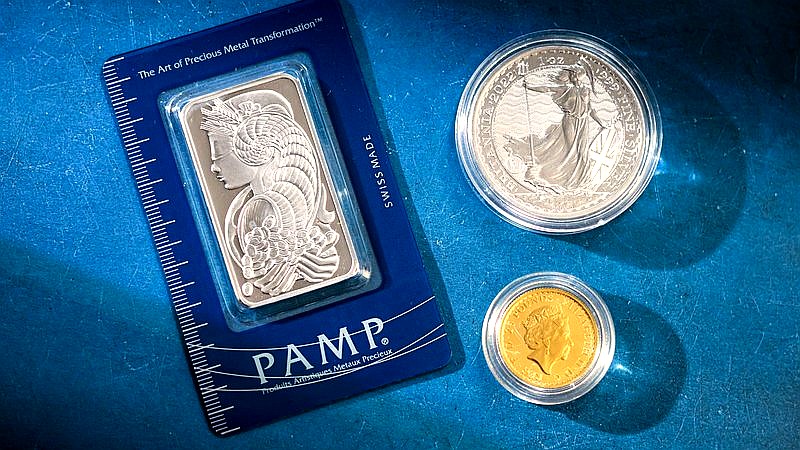
- Physical gold: This means buying gold coins, bars, or jewelry. The pros are that you have direct ownership of the metal, and it can be a tangible store of value. The cons are storage costs, security risks, and the potential for difficulty in selling it quickly.
- Gold ETFs (Exchange-Traded Funds): These are funds that track the price of gold. They offer a convenient and liquid way to invest in gold without the hassle of storing physical metal. Some popular gold ETFs include GLD and IAU.
- Mining stocks: Investing in companies that mine gold can provide to the gold price. If gold prices rise, mining companies’ profits can increase significantly, leading to higher stock prices. But, mining stocks are also subject to company-specific risks, such as operational challenges and political instability in mining regions.
Each option has its own pros and cons, and the best choice for you will depend on your individual circumstances and risk tolerance. I wish I knew this sooner, but diversification is key. Don’t put all your investment dollars into one type of gold investment. Spread it around to manage your risk.
Disclaimer: I’m not a financial advisor, and this isn’t financial advice. Investing in gold involves risks, and you could lose money. Always consult with a qualified financial advisor before making any investment decisions.
Frequently Asked Questions
Why is gold considered a safe haven asset?
Gold has historically maintained its value during times of economic uncertainty and geopolitical instability, making it a safe haven for investors seeking to preserve wealth. Unlike currencies, gold isn’t tied to any specific government and has intrinsic value. And that matters.
How does inflation affect gold prices?
Here’s what most people miss: Gold is often seen as an inflation hedge because its price tends to rise when inflation increases. This is because gold is a limited resource and its value isn’t directly tied to the purchasing power of any particular currency.
What are the risks of investing in gold?
Gold prices can be volatile and are influenced by factors such as interest rates, investor sentiment, and geopolitical events. There are also storage costs associated with physical gold and management fees for gold ETFs.
The gold price surge is a complex phenomenon driven by a variety of factors. While gold may not be a magic bullet for all your investment woes, understanding these drivers can help you make more informed decisions about your portfolio. So, is gold entering a new golden era? Only time will tell. But one thing’s for sure: it’s a story worth watching.