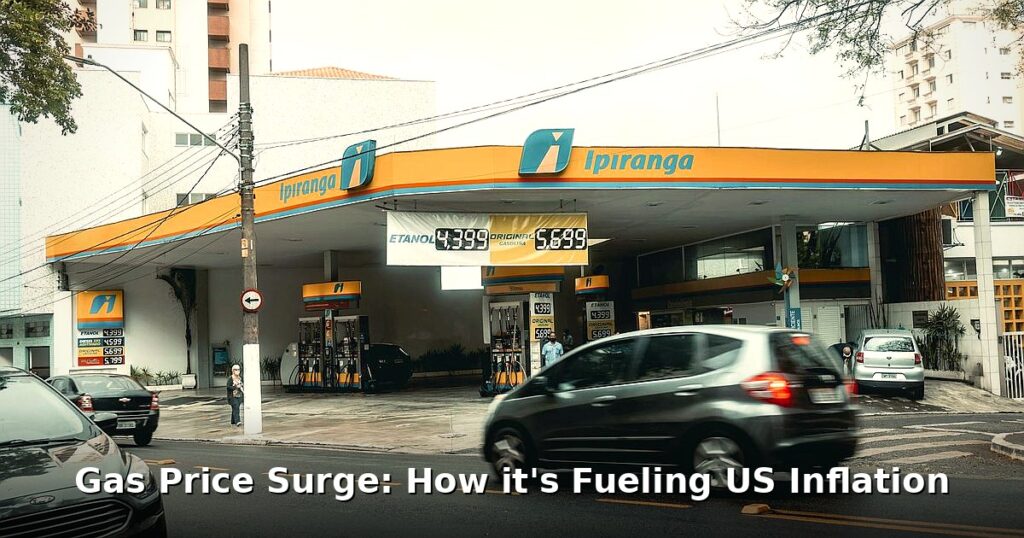

Remember those days when filling up your tank didn’t feel like a gut punch? Yeah, me too. But the recent gas price surge has definitely put a damper on that nostalgia. We’re talking record highs that are squeezing wallets across the country. What’s going on, and how is it impacting everything else we buy?
Table of Contents
The Record Gas Price Surge: A Pain at the Pump
Let’s get down to brass tacks. In the spring of 2022, the national average for regular unleaded hit an all-time high, soaring past $5 a gallon according to AAA. Some states, particularly on the West Coast, saw prices even higher than that. California, for example, often led the charge with prices hovering well above the national average. Ouch.
Okay, so Compared to historical averages, the difference is stark. Just a few years ago, we were paying significantly less – sometimes under $3 a gallon. Even adjusted for inflation, these recent peaks represent a substantial increase in the cost of driving. It’s not just the overall price; it’s the speed at which it climbed that caught many off guard. A steady increase is one thing, but this felt like a rocket launch. Check out our guide on Stock Market News: Dow Climbs, Oil Prices Dip, April 2026. We covered this in US Futures Waver: Iran Ceasefire Violation Impacts Markets.
Regional variations are also significant. Factors like local taxes, refinery capacity, and proximity to oil pipelines all play a role. States with higher gas taxes, like California and Pennsylvania, tend to have higher prices. And areas with limited refinery capacity can be more vulnerable to supply shocks.
Wish I knew this sooner: Turns out, tracking local gas prices can save you some serious cash. Apps like GasBuddy show you real-time prices at nearby stations. Worth a look, right?

How Gas Prices Directly Fuel Inflation
Okay, so high gas prices stink. But how do they translate into broader inflation? The answer lies in the Consumer Price Index (CPI), a key measure of inflation that tracks the average change over time in the prices paid by urban consumers for a basket of consumer goods and services. Gas prices are a direct component of the CPI. When they rise, the CPI goes up. It’s pretty straightforward.
But the impact goes beyond just filling up your car. Transportation costs are baked into the price of almost everything we buy. Think about it: groceries need to be trucked from farms to stores, online orders need to be delivered to your doorstep, and even the raw materials used to make products need to be transported. Higher gas prices increase the cost of all these activities.
I’ll be honest — For example, a grocery store might have to increase prices to cover the higher cost of transporting produce. Delivery services might add fuel surcharges. And manufacturers might pass on their increased shipping costs to retailers, who then pass them on to you. Everyday items become more expensive simply because it costs more to get them to you.
You might not expect this, but And then there’s the concept of ‘sticky’ inflation. Some price increases are hard to reverse quickly, even if gas prices eventually come down. Businesses might be reluctant to lower prices immediately, fearing that gas prices could rise again. Or they might use the higher transportation costs as an excuse to maintain higher profit margins. Not great. The Bureau of Labor Statistics (BLS) tracks the CPI, and analyzing that data can give a clearer picture of these trends. Go figure.
The Ripple Effect: Indirect Inflationary Pressures
The direct impact of high gas prices is just the tip of the iceberg. The ripple effect extends throughout the economy, creating indirect inflationary pressures. Businesses, facing higher transportation costs, often respond by passing those costs on to consumers. It’s a survival tactic, really. They have to maintain profitability somehow.
This can lead to a vicious cycle. As prices rise, consumers have less disposable income. They reduce spending on non-essential items, which can hurt businesses. Businesses then might raise prices further to compensate for the reduced sales volume. It’s a tough situation all around.
You might not expect this, but Consider the impact on supply chains. Higher transportation costs can exacerbate existing bottlenecks and delays. This can lead to shortages of certain goods, which further drives up prices. Logistics companies are forced to make tough choices about routes, delivery schedules, and staffing levels, and guess who ultimately pays for those choices?
Consumer behavior also changes. People might cut back on travel, choose destinations closer to home, or opt for more fuel-efficient vehicles. They might consolidate errands to reduce the number of trips they take. And they might postpone major purchases, like new appliances or furniture. It all adds up. People start making tough choices.
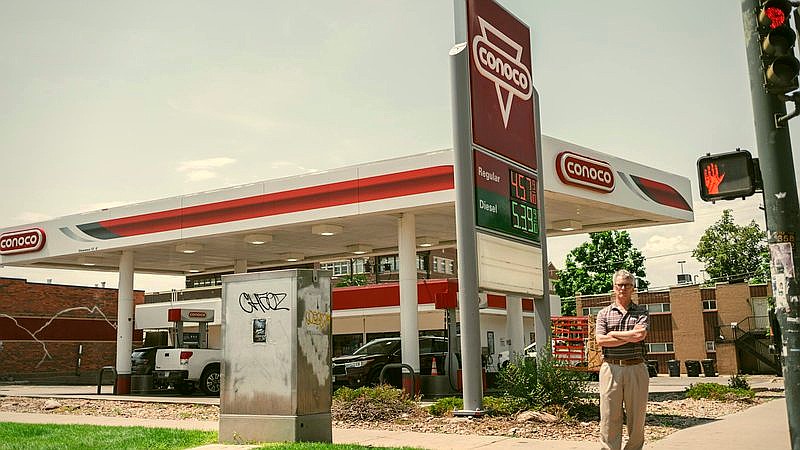
Wish I knew this sooner: Paying attention to fuel-efficient choices in vehicles and driving habits can really add up over time. I’m talking thousands of dollars over the lifespan of a car. Small changes, big impact.
Government Policies and Global Events: Contributing Factors
So, what’s behind these high gas prices? It’s a complex mix of factors. Government policies play a role. Gas taxes, environmental regulations, and energy policies all influence the price at the pump. Higher taxes and stricter regulations can increase the cost of producing and distributing gasoline.
Global events also have a significant impact. Geopolitical tensions, supply disruptions, and decisions made by OPEC and other oil-producing nations can all affect the supply and demand for oil, and thus, the price of gasoline. The Russia-Ukraine war, for example, has sent shockwaves through global energy markets, leading to increased uncertainty and higher prices. Any disruption to oil production or distribution in a major producing country can have ripple effects worldwide.
OPEC’s decisions about production levels are particularly influential. If OPEC decides to cut production, it can drive up prices. If it decides to increase production, it can help lower prices. These decisions are often driven by a complex mix of economic and political considerations.
What Can Be Done to Mitigate the Impact of Gas Price Surge?
The million-dollar question: What can we do about it? On an individual level, there are several strategies to reduce fuel consumption. Carpooling, using public transportation, and walking or biking are all options. Efficient driving habits, like maintaining proper tire pressure and avoiding rapid acceleration, can also make a difference.
Governments can also take action. Releasing strategic petroleum reserves can help increase supply and lower prices, at least temporarily. Investing in alternative energy sources, like solar, wind, and electric vehicles, can reduce our dependence on fossil fuels in the long run. It’s a long game, though. Let’s be real.
Longer-term, a shift toward more sustainable transportation options is essential. This includes investing in public transportation infrastructure, promoting the adoption of electric vehicles, and developing more fuel-efficient technologies.
Disclaimer: This information is for general knowledge and entertainment only. It’s not financial advice. Consult with a qualified professional before making any financial decisions.
Frequently Asked Questions
Q: Why are gas prices so high right now?
A: Several factors contribute to high gas prices, including increased demand, supply chain disruptions, geopolitical tensions, and government policies.
Q: How do high gas prices affect inflation?
A: Higher gas prices directly increase the cost of transportation, which is reflected in the prices of goods and services, thus contributing to overall inflation.
Q: What can I do to save money on gas?
A: Consider carpooling, using public transportation, driving more efficiently (e.g., maintaining proper tire pressure, avoiding rapid acceleration), and consolidating errands.
Q: Will gas prices go down soon?
A: Predicting future gas prices is difficult, as they’re influenced by many variables. Keep an eye on economic news and trends for possible changes.
The gas price surge has had a significant impact on inflation and consumer spending. While predicting the future is impossible, understanding the factors that contribute to high gas prices and taking steps to reduce fuel consumption can help mitigate the impact on your wallet. What steps are you taking?