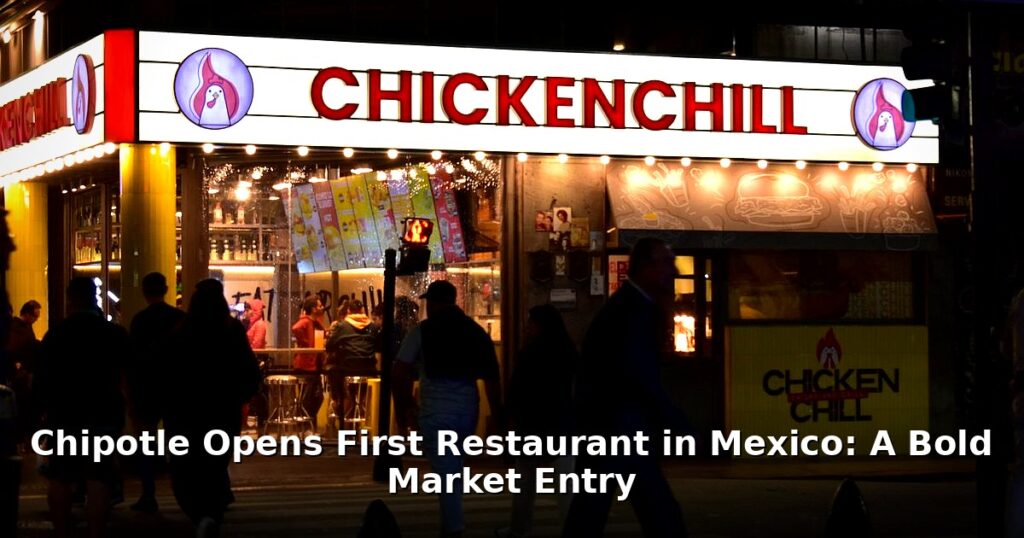

Well, this is an interesting one. After years of speculation, whispers, and a few false starts, it seems like Chipotle Mexico is finally becoming a reality. The beloved fast-casual giant, known for its build-your-own burritos and bowls, is officially set to open its first location in Mexico City. Specifically, we’re talking about the swanky Polanco neighborhood, a strategic choice for sure. This isn’t just another restaurant opening; it’s a significant moment for the company’s international expansion strategy and a big test of its global appeal.
Table of Contents
You know, Chipotle has tried to crack the international nut before, with mixed results. They dipped their toes into markets like London and Paris, and while those have seen some success, it hasn’t been the explosive growth story many investors hoped for. The company even had a brief, ill-fated venture in Toronto that shuttered quickly. So, why Mexico now? What makes this different?
I think it comes down to timing and a deeper understanding of market readiness. Mexico’s fast-casual market has matured considerably in recent years. There’s a growing middle class with disposable income, a strong appreciation for quality ingredients, and a familiarity with American brands, yet a fierce loyalty to local flavors. It’s a nuanced dance. Check out our guide on Aldi’s Budget Takeover: How $4 Almond Butter is Disrupting US Groceries. We covered this in Apple Sues OpenAI: Allegations of Trade Secret Theft Explained.
And let’s be honest, the irony isn’t lost on anyone. A U.S. chain, famous for its “authentic” Mexican-inspired food, is finally heading to the place where that food originated. It’s a bold move, potentially a brilliant one, but certainly not without its challenges. The company has to walk a fine line between maintaining its brand identity and respecting the rich culinary traditions of Mexico. Huge.
The Business Case for Chipotle Mexico: Market Potential and Hurdles
When you look at the demographics, Mexico City just makes sense. It’s a massive urban center, incredibly dense, with a youthful population that’s increasingly open to diverse dining experiences. The fast-casual sector in Mexico has been on an upward trajectory, fueled by busy professionals and younger generations seeking convenient, high-quality meal options beyond traditional fast food. They’re looking for value, but also fresh ingredients and customization—all hallmarks of the Chipotle brand.
Then again, the competitive landscape isn’t empty. Far from it. Mexico City boasts a vibrant food scene, from incredible street food to high-end dining, and a strong presence of local and international restaurant chains. Think about the likes of Alsea-operated brands (a major player in Latin America), homegrown taquerias that are legendary, and other international players like McDonald’s, Starbucks, and Dominos that have firmly established themselves. Chipotle won’t be waltzing into an open field. They’ll face intense competition on price, speed, and flavor.
Operational challenges are also a big consideration. Supply chain management in a new country can be a nightmare. Sourcing the right quality ingredients, ensuring consistency, and navigating local logistics all require significant investment and expertise. Labor is another factor—finding, training, and retaining staff who understand the Chipotle “culture” while also adapting to local labor laws and expectations. And real estate in Polanco? Not cheap. Not by a long shot. They’ll need to secure prime locations at reasonable rents to make the unit economics work.
The biggest question, perhaps, is brand adaptation and menu localization. Will the menu be identical to the US? Probably not entirely. While the core concept of burritos, bowls, tacos, and salads will likely remain, I fully expect to see some thoughtful localization. Maybe different protein options, a wider array of salsas that reflect regional Mexican flavors, or even different beverages. They can’t just copy-paste; they need to show they understand the market. It’s a delicate balance of maintaining the brand’s identity while embracing local preferences. This is where Chipotle global strategy really gets tested.
Financial Implications: What This Means for CMG Stock and Investors
From a financial perspective, this Chipotle international expansion into Mexico is a big deal for CMG stock. Investors are always looking for new avenues of growth, especially as the US market matures. Mexico represents a significant, untapped revenue stream. If successful, it could provide a substantial boost to the company’s top line in the long term.
Initial investment costs, of course, will hit short-term earnings. Opening new stores in a foreign market involves considerable capital outlay—rent, build-out, supply chain infrastructure, marketing, and training. Profitability timelines for international ventures often extend beyond those of domestic openings. It’s not a flip of a switch; it’s a grind. Investors will be scrutinizing early sales figures, customer reception, and unit economics very closely.
Analyst reactions have been cautiously optimistic. Many see the potential, acknowledging the risks but also the strategic sense of entering such a large, dynamic market. The key, as always, will be execution. Can Chipotle replicate its US success, adapting its model without diluting its brand? That’s the million-dollar question.
This move reminds me of something I wish I knew sooner about investing: diversified international revenue streams for long-term stock stability. Companies that rely solely on their home market can be vulnerable to local economic downturns or saturation. Spreading your bets across different geographies, if done well, can provide a buffer and open up new growth vectors. It’s not just about bigger numbers; it’s about more resilient numbers.
Chipotle’s Global Strategy: Beyond Mexico’s Borders
Mexico isn’t just an isolated expansion; it’s a critical piece of Chipotle’s broader global strategy. For years, the company has wrestled with how to effectively expand beyond North America. Its prior European ventures, while still active, haven’t been runaway successes on the scale of its US growth. They’ve learned hard lessons about market entry, cultural nuances, and operational complexities.
What lessons, specifically? I’d bet they’ve realized strong local partnerships, a deep understanding of consumer preferences (not just assuming what works elsewhere will work everywhere), and perhaps a more patient, measured approach to growth. The fast-casual market in Mexico specifically presents a unique opportunity, given the culinary connection.
Okay, so If Chipotle Mexico proves successful, it could serve as a blueprint for future expansion into other Latin American markets. Brazil, Colombia, and Argentina all have large, growing economies and an increasing appetite for global brands. Asia, particularly markets like Japan or South Korea with their strong fast-casual cultures, could also be on the radar, but that feels like a much bigger leap.
The company seems to be taking a more strategic, less aggressive approach this time around. They’re focusing on one key market, learning from it, and then potentially scaling. It’s a smarter way to handle US restaurant chains Mexico ambitions.
What Consumers Can Expect from Chipotle in Mexico
So, what will it actually be like walking into a Chipotle in Polanco? I’d imagine the core menu items will be there: the burritos, the bowls, the tacos, the quesadillas. That’s their bread and butter. But, as I mentioned, I fully expect some thoughtful localization. Will they have different types of beans? Perhaps a wider variety of chili-based salsas? Maybe some regional cheeses? Huge.
The pricing strategy will be crucial. They can’t price themselves out of the market, nor can they cheapen the brand too much. They’ll need to find a sweet spot that reflects the quality of their ingredients and the fast-casual experience, while still being accessible to their target demographic. Mexican consumers are savvy; they know good value when they see it.
And what about the ‘Chipotle experience’ itself? That assembly-line model, the open kitchen, the fresh ingredients laid out before you. That’s a huge part of their appeal. It creates transparency and a sense of control for the customer. I don’t think they’ll mess with that fundamental experience. But how it’s executed, how the staff interacts, even the music playing—these are all subtle elements that contribute to cultural adaptation. It’s about respecting the local culture while maintaining the brand’s essence. It’s a delicate balance.
This move feels different. It feels more intentional. And if Chipotle can challenges, respect the local palate, and deliver on its promise of fresh, high-quality food, then Chipotle Mexico could very well be a massive success story. It’s definitely one to watch, both for foodies and investors alike.
Frequently Asked Questions
When is Chipotle opening its first restaurant in Mexico?
Chipotle is set to open its first location in Mexico in the Polanco neighborhood of Mexico City. While an exact grand opening date isn’t always public far in advance, the company has confirmed the move is happening, signaling preparations are well underway.
Has Chipotle tried to enter the Mexican market before?
Yes, Chipotle has explored the Mexican market previo. Butever, past attempts faced various challenges, leading to delays. This new venture marks a more concerted and strategic effort to establish a presence.
How might this expansion affect Chipotle’s stock (CMG)?
International expansion, especially into a significant market like Mexico, is generally viewed positively by investors as it offers new avenues for revenue growth. Initial investment costs might impact short-term earnings, but successful execution could lead to long-term stock appreciation.
Will the Chipotle menu in Mexico be different from the US?
It’s common for international restaurant chains to adapt their menus to local tastes and ingredient availability. While core items like burritos and bowls will likely remain, there might be subtle adjustments or localized specials to appeal to the Mexican palate.