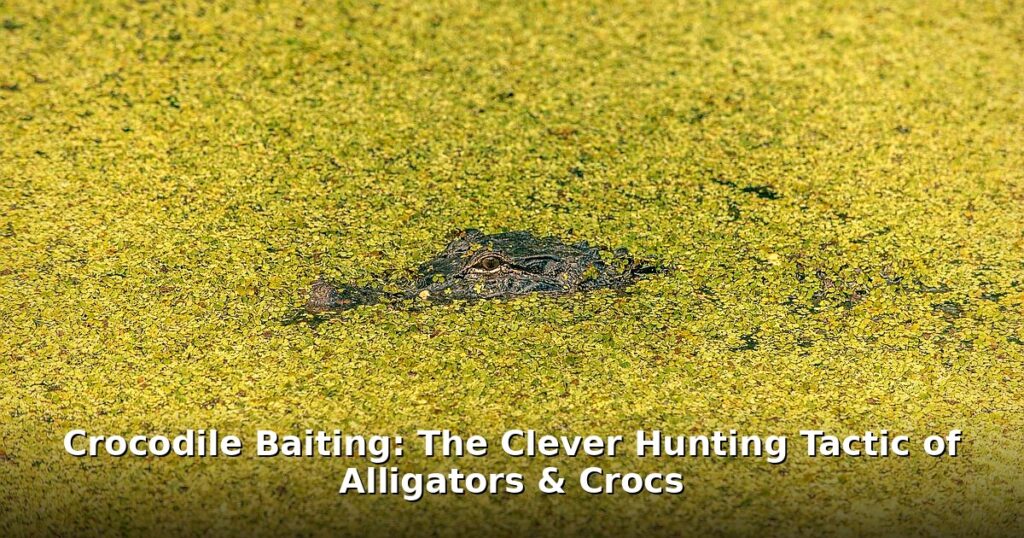

Alright, so I’ve been a homeowner for a good long while now, and in that time, I’ve seen my share of clever critters trying to make a living off my property. Raccoons are basically furry masterminds breaking into trash cans, and don’t even get me started on squirrels and bird feeders. But nothing, and I mean nothing, prepared me for the wild discovery I stumbled upon recently: crocodilians, those ancient, scaly giants, might actually be using tools. Not, like, wrenches or anything, but they’re apparently engaging in something called crocodile baiting.
Table of Contents
Yeah, you heard that right. It’s not just a fancy term; researchers have actually observed mugger crocodiles and American alligators pulling off a tactic so cunning, it makes my attempts at DIY pest control look positively amateur. They’re positioning sticks and twigs on their snouts during bird nesting season, seemingly using these bits of wood as bait to lure unsuspecting birds within striking distance. It’s a for how I think about reptile intelligence, and honestly, a little bit terrifying.
The Surprising Tactic: Crocodilians as Tool Users
When I first read about this, my jaw dropped. We’re talking about animals that are often perceived as ancient, instinct-driven predators, not master strategists. But the evidence paints a different picture. Scientists, like those whose work was published in the journal Ethology, Ecology & Evolution, have been documenting these behaviors for years. They’ve watched both mugger crocodiles in India and American alligators in the southeastern U.S. displaying this specific behavior. Check out our guide on China’s Moon Mission: Hunting for Lunar Ice at the South Pole. We covered this in San Andreas Fault: Faster Slip Means What for Homeowners?.
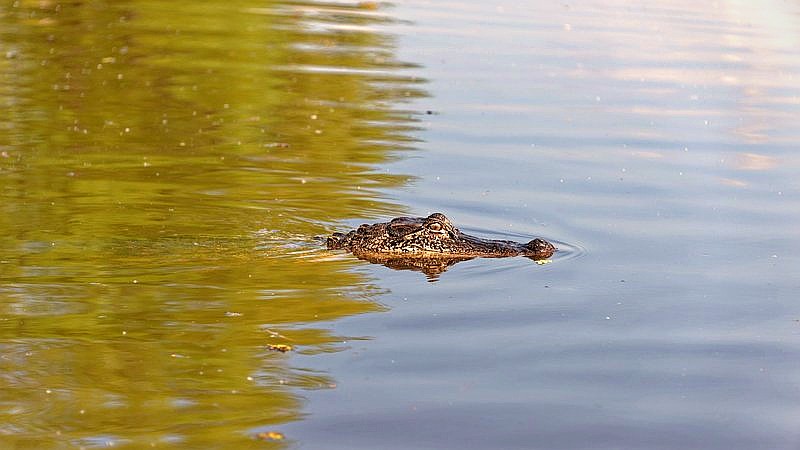
The core of it’s simple: these large reptiles will submerge themselves in the water, leaving just their snouts poking out, often with a carefully placed stick or twig resting right across their nose. It’s not random. It’s precise. And it’s timed.
The concept of tool use in the animal kingdom has always been a hot topic. For a long time, it was thought to be a hallmark of higher intelligence, something mostly seen in primates or a few smart birds like crows. But every now and then, a discovery comes along that totally upends our assumptions. This crocodilian behavior? It definitely falls into that category. It suggests a level of planning, understanding of cause and effect, and even deception that we just didn’t attribute to these reptiles before. It’s not just a lucky accident; it implies they understand what a bird wants and how to get it.
Why Sticks? Understanding the Crocodile Baiting Method
So, why sticks? And why is the timing so crucial? It all boils down to basic biology and the incredible drive of birds during a specific time of year: nesting season. This isn’t some year-round behavior; it’s highly synchronized.
Here’s the thing — Think about it from a bird’s perspective. Building a nest is a monumental task. It requires countless trips to gather materials – twigs, leaves, mud, grass, and yes, small sticks. These materials are essential for creating a safe, sturdy home for their eggs and chicks. And often, the best, most accessible materials are found near water bodies, where trees and shrubs thrive.
Now, imagine you’re a bird, frantically searching for that perfect twig. You spot one, seemingly floating or resting innocently on the water’s surface, right by what appears to be a log or a bit of debris. It looks safe. It looks easy. It looks like exactly what you need. That’s the lure factor the crocodilians are banking on. They’re basically setting out a free sample, knowing full well the target audience can’t resist.
This clever baiting strategy makes perfect sense when you consider the energy expenditure of birds during nesting season. They’re under immense pressure to build nests quickly and efficiently. Any shortcut, any easy grab, is incredibly appealing. And that’s precisely what the stick on a crocodilian’s snout represents: an irresistible, seemingly low-risk opportunity for a much-needed nesting material.
The Setup: How Crocs & Alligators Execute Their Plan
It’s not just about having a stick; it’s about the execution. These predators aren’t just haphazardly floating around with a twig on their nose. Oh no. There’s a method to their madness, a strategic approach that maximizes their chances of success.
First off, strategic positioning is key. They’ll typically settle in shallow water or right at the water’s edge, often near known bird nesting sites or flight paths. They’re not out in the middle of a wide-open lake where a bird would easily spot them. They’re in the reeds, under an overhang, or pressed against a bank – places where they can blend in ly with their surroundings. Their mottled skin and still posture make them almost indistinguishable from a submerged log or a clump of vegetation. It’s really excellent camouflage.
Then comes the stillness. Utter, complete stillness. These animals are masters of patience. They’ll remain motionless for extended periods, sometimes hours, just waiting. Any sudden movement, any ripple, and the jig is up. The stick, carefully balanced on their snout, appears to be just another piece of natural debris, gently bobbing in the water.
But the moment a curious bird gets too close, lured by that tempting twig, that stillness shatters. The quick strike is almost instantaneous. A sudden lunge, a powerful snap of those massive jaws, and it’s over. The bird, which thought it was snagging a free piece of nesting material, becomes a meal. It’s a brutal but incredibly effective example of alligator hunting tactics. And it really makes you think twice about grabbing that “free” stick floating in the water when you’re out near a swamp.
Broader Implications: Reptile Intelligence and Behavior
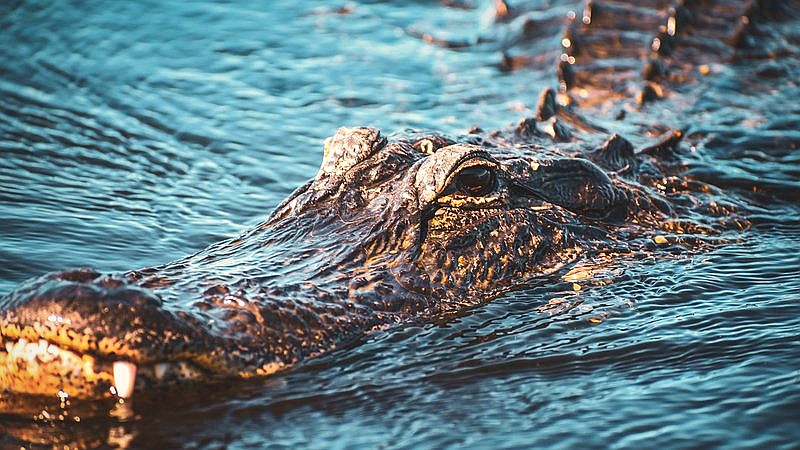
This discovery of crocodilian tool use isn’t just a cool anecdote; it has profound implications for how we view reptile intelligence. For a long time, reptiles were considered to have relatively simple brains, driven mostly by instinct. Their cognitive abilities were often underestimated, placed far below mammals and birds.
But this kind of sophisticated behavior challenges those traditional views. Using bait requires more than just instinct. It suggests several complex cognitive processes: forward planning (knowing that placing a stick now will lead to food later), an understanding of another animal’s needs and desires (what a bird needs for nesting), and the ability to adapt behavior to specific environmental conditions (only doing this during nesting season). That’s not simple. That’s problem-solving. But that’s pretty darn smart. Seriously.
And it’s not the only example of complex crocodilian behavior that researchers have documented. We know these animals exhibit surprisingly intricate parental care, with mothers fiercely guarding their nests and even carrying their hatchlings to the water in their mouths. They communicate through a variety of vocalizations, from deep rumbles to hisses. Some species have been observed coordinating hunts, working together to corner prey. These aren’t just cold-blooded, mindless predators; they’re creatures with a rich, complex behavioral repertoire.
What this discovery means for our understanding of animal smarts is huge. It reminds us that intelligence comes in many forms, and we shouldn’t be so quick to judge an animal’s cognitive abilities based on its evolutionary lineage or brain structure. Every species has developed unique ways to survive and thrive, and sometimes, those ways are far more cunning than we ever imagined.
Observing Nature’s Cleverness (from a Safe Distance!)
While the idea of observing this kind of cunning nesting season predators behavior might be tempting, it’s absolutely crucial to remember that these are wild, powerful animals. If you’re in an area with alligators or crocodiles, whether it’s the Florida Everglades, a bayou in Louisiana, or a river in India, maintaining a safe and respectful distance is paramount. Seriously. You don’t want to become part of their research, or their dinner.
Look for these behaviors from designated viewing platforms, guided tours, or through binoculars. Areas around bird rookeries or nesting islands during spring and early summer would be prime locations to potentially witness such a tactic. But never approach a wild crocodilian. Ever. they’re incredibly fast and powerful, and their natural instincts will always take over if they feel threatened or see an opportunity.
This whole thing makes me think about my own experiences with unexpected animal cleverness. I mentioned the raccoons earlier. I built what I thought was an impenetrable fort around my bird feeders once, a regular DIY masterpiece. Used bungee cords, heavy-duty latches, the works. Came out the next morning to find it disassembled, pieces scattered, and a perfectly clean bird feeder. Those masked bandits had clearly worked together, or at least one of them had figured out a multi-step solution. My defeat was total. And then there was the time a squirrel managed to chew through a metal squirrel baffle I’d installed. A metal baffle! I swear, sometimes it feels like they’re just showing off. Seriously.
Okay, so Nature is full of surprises, and often, the creatures we least expect are the ones demonstrating truly remarkable intelligence. The crocodilian baiting tactic is just another amazing example of the intricate and often startling ways animals adapt and survive in their environments. It’s a good reminder to always keep an open mind about what animals are capable of, and to always give them a wide berth.
Frequently Asked Questions
Do alligators really use bait to catch birds?
Yes, research has documented both American alligators and mugger crocodiles strategically placing sticks on their snouts during bird nesting season to lure birds looking for nesting materials.
What kind of birds do crocodiles bait with sticks?
The specific bird species can vary by region, but the tactic is effective against birds that seek twigs and small branches for building their nests, often near water bodies where these predators live.
Is this a common hunting strategy for alligators and crocodiles?
While not every individual uses this method, it’s a documented, specialized hunting strategy observed in specific populations, particularly during periods when birds are actively nesting and gathering materials. Pretty wild, right?
Does this mean alligators and crocodiles are intelligent?
The use of tools, even simple ones like sticks, demonstrates a level of cognitive complexity and planning that challenges older views of reptiles. It suggests problem-solving abilities and an understanding of cause and effect.