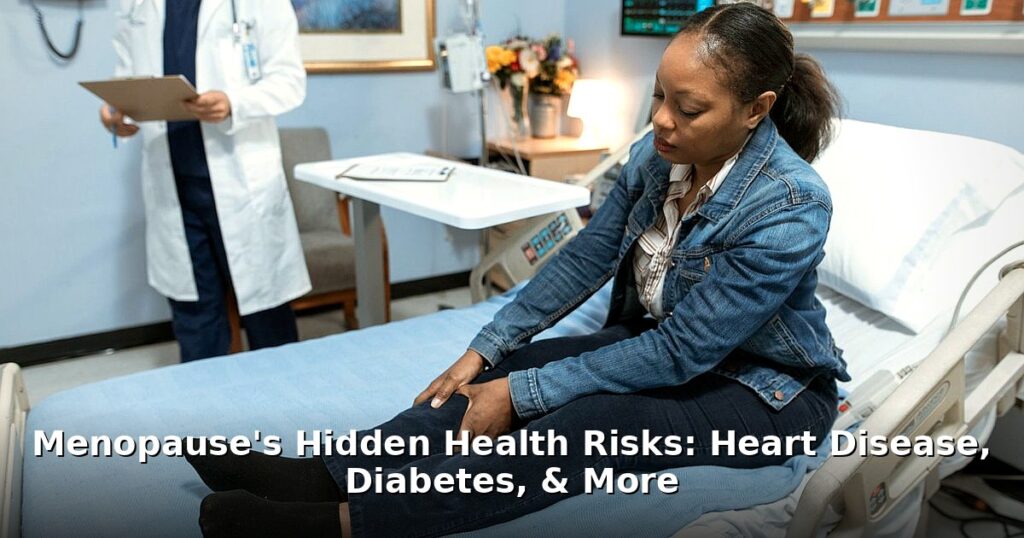

If you’ve been looking into menopause health risks, when we talk about menopause, what usually comes to mind? Hot flashes, night sweats, maybe some mood swings. And, of course, the end of periods. For so long, that’s been the prevailing narrative, both in popular culture and often in medical conversations too. But here’s the thing: menopause is so much more than just the absence of menstruation. It’s a profound physiological shift that impacts nearly every system in a woman’s body, often with significant, long-term implications for her overall health.
Table of Contents
I’ve spent a lot of time poring over research papers, and it’s clear we need to broaden our understanding. The decline in estrogen, the hallmark of menopause, doesn’t just affect your reproductive system. Estrogen is a powerhouse hormone, doing everything from protecting your heart to maintaining bone density and even influencing brain function. When its levels drop, it leaves a noticeable void, and that’s where many of the hidden menopause health risks begin to emerge.
Understanding these deeper changes isn’t about fear-mongering. Not at all. It’s about empowerment. It’s about equipping ourselves with the knowledge to proactively manage our health during this crucial life stage and well beyond. Because while menopause is a natural transition, it also presents a unique window of opportunity to safeguard our future well-being. Check out our guide on Breast Cancer Risk Under 50: Are Current Checks Missing You?. We covered this in Columbia’s Alzheimer’s Research: Unraveling the Disease’s Causes.
The Cardiovascular Connection: How Menopause Health Risks Impact Your Heart
Let’s start with the heart, arguably one of the most critical areas where the impact of declining estrogen is felt. Before menopause, women generally have a lower risk of heart disease compared to men of the same age. Estrogen plays a huge role in this protection. It helps keep your blood vessels flexible, supports healthy cholesterol profiles by lowering LDL (“bad”) cholesterol and increasing HDL (“good”) cholesterol, and even helps regulate blood pressure.
Here’s what most people miss: But when estrogen levels plummet during perimenopause and full menopause, that protective shield starts to weaken. Suddenly, we see an increased risk of high blood pressure, our LDL cholesterol tends to creep up, and our blood vessels can become less elastic. All of these factors contribute to a higher likelihood of developing cardiovascular disease.
And here’s a crucial point: heart disease symptoms in women can be different from those in men. We often don’t experience the “Hollywood heart attack” with crushing chest pain. Instead, women might report unusual fatigue, shortness of breath, pain in the jaw, back, or arm (not just the left), or even indigestion. It’s subtle. It’s easily dismissed. And that’s why knowing your body and advocating for yourself is so incredibly important.
But there’s good news! We aren’t helpless. Lifestyle interventions are incredibly powerful for menopause heart health. Think regular aerobic exercise – even brisk walking for 30 minutes most days can make a difference. A diet rich in fruits, vegetables, whole grains, and lean proteins, like the Mediterranean diet, is fantastic. And managing stress? Absolutely vital. I’ve found that even just 10 minutes of meditation or deep breathing daily can help keep my blood pressure in check. It’s a small habit, but it really adds up.
A lot to unpack there.
Unpacking the Diabetes Link During Menopause
Beyond the heart, there’s another significant, often overlooked connection: diabetes. The menopause diabetes link is becoming increasingly clear in research. Those hormonal shifts we talked about? They don’t just affect cholesterol. They also impact insulin sensitivity and glucose metabolism.
As estrogen declines, many women experience changes in how their bodies process sugar. Insulin, the hormone that helps move glucose from your blood into your cells for energy, can become less effective. This is called insulin resistance, and it’s a major precursor to type 2 diabetes. Your body has to produce more and more insulin to do the same job, and eventually, the pancreas can’t keep up.
Another factor playing a role here is where we tend to store fat. Before menopause, women typically store fat in their hips and thighs (the “pear shape”). After menopause, there’s a distinct shift towards abdominal fat accumulation, often referred to as the “apple shape.” This type of visceral fat, the fat around your organs, is metabolically active and directly linked to increased insulin resistance and inflammation, further elevating the risk of type 2 diabetes.
So, what can we do? Again, lifestyle is paramount. Prioritizing consistent physical activity helps improve insulin sensitivity. Strength training, in particular, is excellent for building muscle mass, which uses more glucose. And dietary choices are critical. Focusing on complex carbohydrates, plenty of fiber, and limiting processed sugars and refined grains can make a huge difference in managing blood sugar. Think whole foods. Always. It’s not always easy to shift habits, but your future self will thank you for it.
Beyond the Big Two: Bone Health and Other Menopause Health Risks
While heart disease and diabetes are major concerns, they’re certainly not the only ones. Let’s talk about our bones. This is probably one of the more well-known menopause health risks, but its severity is often underestimated.
Postmenopause Bone Density: A Critical Concern
You might not expect this, but Estrogen in maintaining bone density. It helps regulate the cycle of bone breakdown and formation, essentially ensuring that new bone is made to replace old bone. When estrogen levels drop dramatically during menopause, this balance is disrupted. Bone breakdown outpaces bone formation, leading to a rapid loss of bone mass. This can be particularly significant in the first few years after menopause.
This decline makes women much more susceptible to osteoporosis, a condition where bones become brittle and fragile, significantly increasing the risk of fractures. A hip fracture, for example, can be life-altering and even life-threatening for older women. So, taking proactive steps for bone health isn’t just a suggestion; it’s an imperative.
Impact on Brain Health and Cognitive Function
And what about our brains? Many women report experiencing “brain fog” – issues with memory, focus, and verbal recall – during perimenopause and menopause. While these symptoms are often temporary, estrogen receptors are abundant in areas of the brain involved in memory and cognition. Its decline can certainly impact how our brains function.
The long-term implications are still an area of active research, but maintaining overall brain health through healthy lifestyle choices, mental stimulation, and addressing other health risks (like high blood pressure and diabetes) is crucial for women’s health as we age.
Genitourinary Syndrome of Menopause (GSM)
Then there’s Genitourinary Syndrome of Menopause, or GSM. This is a collection of symptoms caused by the thinning, drying, and inflammation of the vaginal and urinary tract tissues due to estrogen decline. It can lead to vaginal dryness, itching, painful intercourse, and increased susceptibility to urinary tract infections. It’s often underreported and undertreated, but it can significantly impact quality of life. It’s a real thing, and it deserves attention and treatment.

Taking Proactive Steps: Your Health Journey After Menopause
Feeling a bit overwhelmed? I get it. The list of potential changes can seem daunting. But remember, knowledge is power. The good news is that we have so many tools at our disposal to manage these changes and promote vibrant health after menopause.
The Role of Regular Check-ups and Open Conversations
First and foremost, communicate with your doctor. Really communicate. Don’t just brush off symptoms or concerns. Regular check-ups are essential, not just for mammograms and Pap smears, but for discussions about your changing body. Ask about screenings for bone density (DEXA scans), cholesterol levels, blood pressure, and blood sugar. Be honest about your symptoms, even the uncomfortable ones like those related to GSM. Your doctor can’t help if they don’t know what’s going on.
Nutritional Strategies for Post-Menopause Health
Nutrition plays a starring role. For bone health, focus on calcium-rich foods like dairy, fortified plant milks, leafy greens, and sardines. Vitamin D is equally important for calcium absorption, so consider safe sun exposure or supplements if your levels are low. For heart health and managing the menopause diabetes link, prioritize whole, unprocessed foods. Lots of colorful fruits and vegetables, whole grains, lean proteins, and healthy fats (avocado, nuts, olive oil). Limit processed foods, sugary drinks, and excessive saturated fats.
The Power of Physical Activity
Movement is medicine. It helps with heart health, bone density (especially weight-bearing exercises like walking, jogging, and dancing), blood sugar regulation, and even mood. Find activities you enjoy and make them a regular part of your routine. Maybe it’s hiking, swimming, yoga, or lifting weights. Consistency is key. Even short bursts of activity throughout the day are better than none.
Considering Hormone Replacement Therapy (HRT)
Finally, let’s talk about Hormone Replacement Therapy (HRT). This is a big one, and it’s not a one-size-fits-all solution. HRT involves replacing the estrogen (and sometimes progesterone) that your body is no longer producing. For many women, it can be incredibly effective in managing menopausal symptoms like hot flashes and vaginal dryness, and it can also offer significant benefits for bone density and potentially heart health. And that matters.
However, HRT also has potential risks, which vary depending on the type of hormones, the dose, how long you take it, and your individual health history. It’s crucial to have a thorough, evidence-based discussion with your doctor to weigh the benefits against the risks specific to your situation. What’s right for one person might not be right for another. And that’s okay. The most important thing is making an informed decision that feels right for you. Just something to think about.
Menopause isn’t just an ending; it’s a new beginning, a new phase of life. And like any new phase, it comes with its own set of considerations. By understanding the broader implications of hormonal changes women’s health experiences during this time, we can step into this next chapter feeling prepared, empowered, and ready to prioritize our well-being. It’s about taking control of your health narrative, not letting it be written for you.
Frequently Asked Questions
Q: Does menopause directly cause heart disease?
A: Menopause itself doesn’t directly cause heart disease, but the significant drop in estrogen levels removes a protective factor, leading to increased risk. Estrogen helps keep blood vessels flexible and cholesterol levels healthy, so its decline can contribute to higher blood pressure and unhealthy cholesterol profiles over time.
Q: What are the early signs of diabetes during menopause?
Here’s the thing — A: Early signs of diabetes can be subtle but include increased thirst, frequent urination, unexplained fatigue, blurred vision, and slow-healing sores. Because these can sometimes overlap with menopausal symptoms, it’s particularly important to discuss any new or worsening symptoms with your doctor for proper testing and diagnosis.
Q: How can I protect my bones after menopause?
A: To protect your bones, focus on a diet rich in calcium and Vitamin D, engage in regular weight-bearing and resistance exercises, and avoid smoking and excessive alcohol. Your doctor might also recommend bone density screenings and discuss medication options if your risk for osteoporosis is high.
Q: Is Hormone Replacement Therapy (HRT) safe for everyone?
A: HRT can be very effective for managing menopausal symptoms and addressing some related health risks, but it’s not suitable for everyone. Its safety and benefits depend on individual health history, age, and timing of initiation. It’s crucial to have a thorough discussion with your doctor to weigh the potential benefits against any risks specific to your situation.